
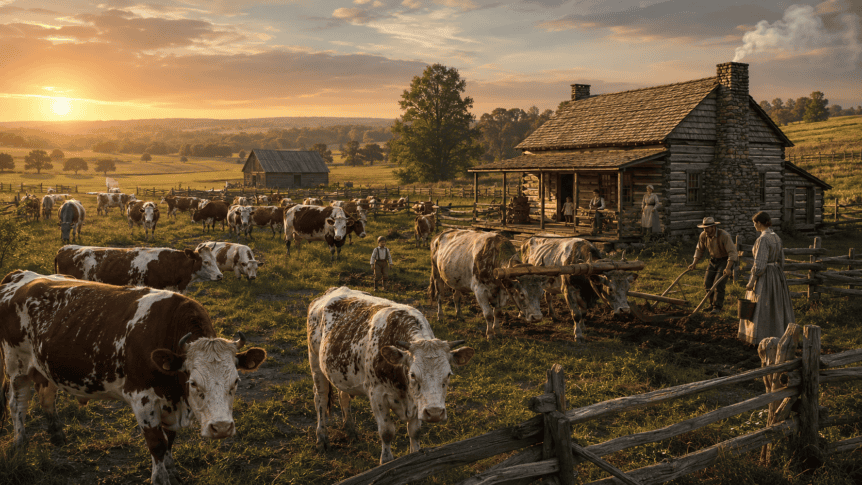
Shorthorn Cattle: The Versatile Breed That Supported America’s Westward Expansion As pioneers pushed westward and established farms across the expanding United States, one breed of cattle became an essential part …
 |  |  |  |  |  |  |  |  |
Below you'll find a list of all posts that have been tagged as “American agriculture history”
Shorthorn Cattle: The Versatile Breed That Supported America’s Westward Expansion As pioneers pushed westward and established farms across the expanding United States, one breed of cattle became an essential part …
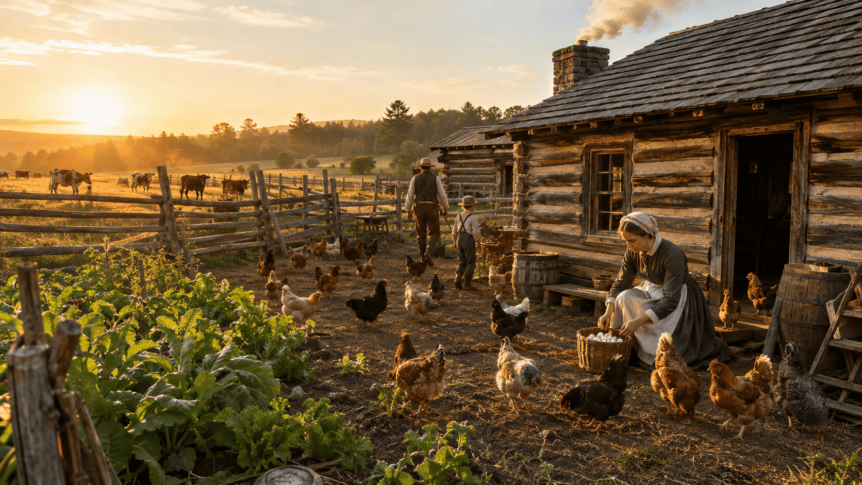
Chickens Were the First Livestock of the American Frontier When many people think about American agriculture in the 1800s, they often picture vast cattle ranches or large hog operations. However, …
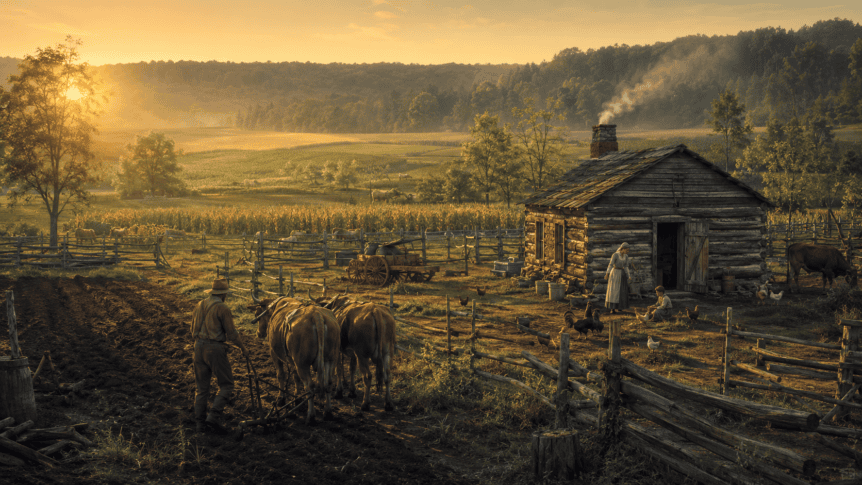
The Humble Beginnings of Midwest Farm Life As settlers pushed westward during the 1840s, the American Midwest became a center of agricultural expansion. Most pioneer families established farms of approximately …
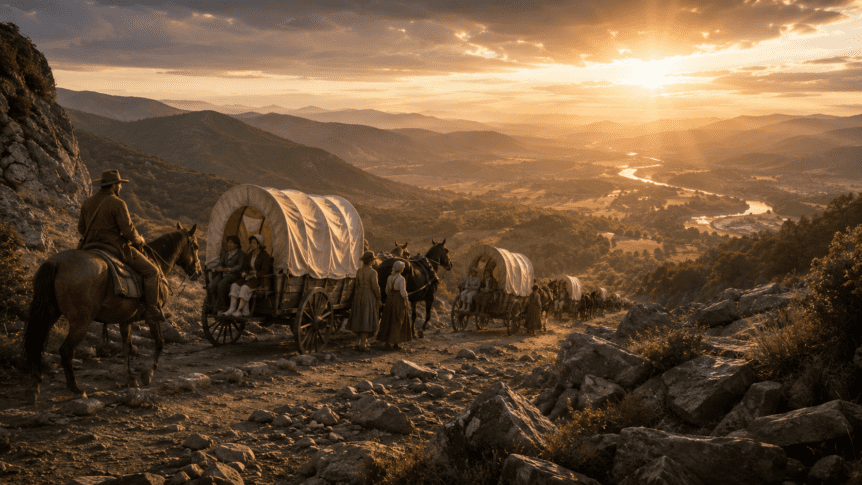
The Agricultural Push That Helped Shape a Nation The story of American agriculture is closely tied to the nation’s westward expansion. As the United States grew beyond its original colonies, …
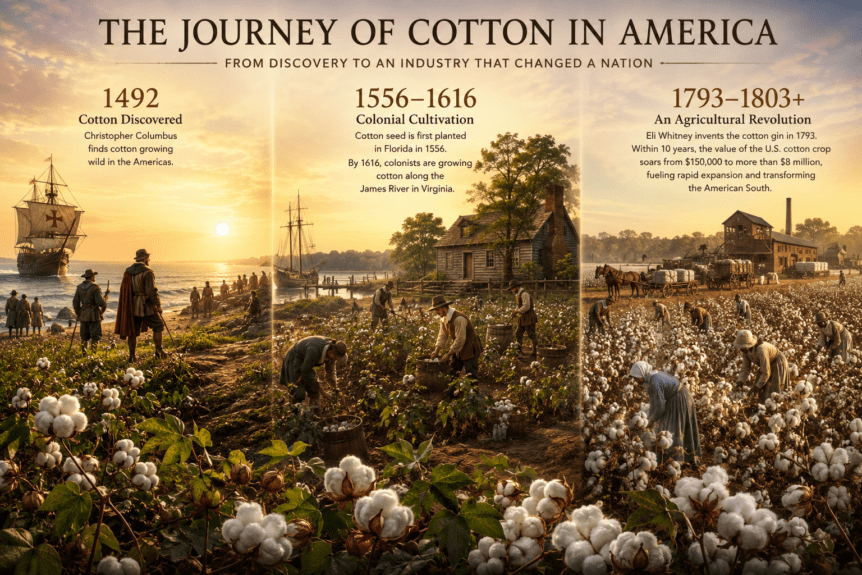
The Rise of Cotton in Early American Agriculture Cotton has played a pivotal role in shaping the history of American agriculture, becoming one of the nation’s most influential and economically …
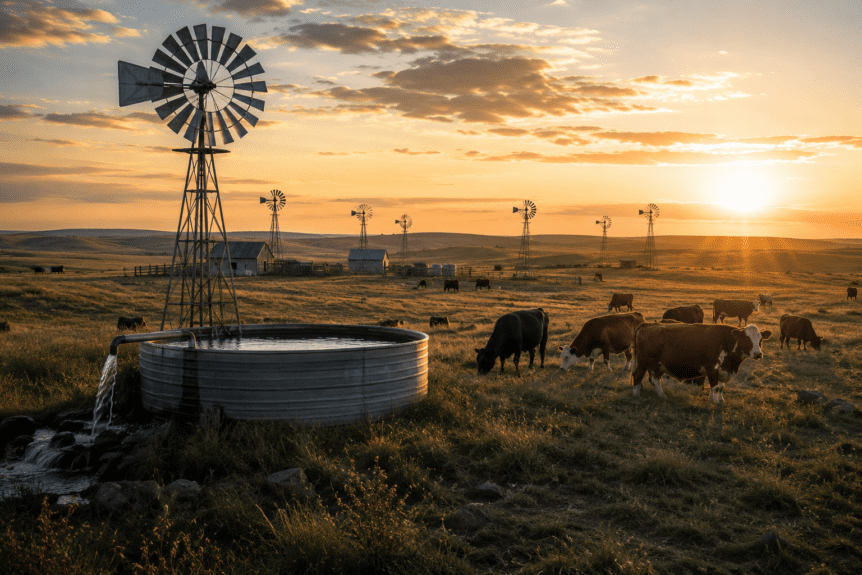
The Windmill’s Enduring Role in American Agriculture For centuries, windmills have played a vital role in agricultural production around the world. Long before electricity reached rural communities, farmers relied on …
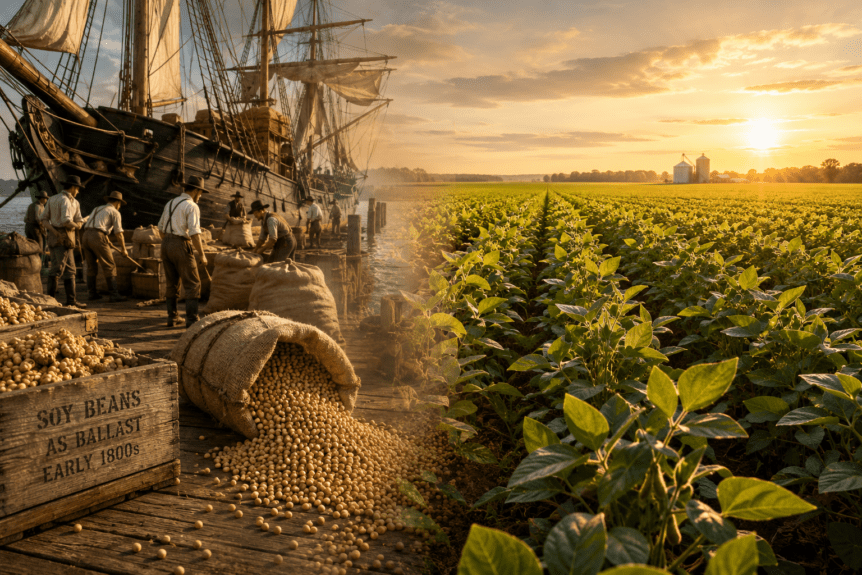
The Remarkable Journey of Soybeans in American Agriculture Soybeans are now one of the most important crops in American agriculture, covering millions of acres across the United States and serving …
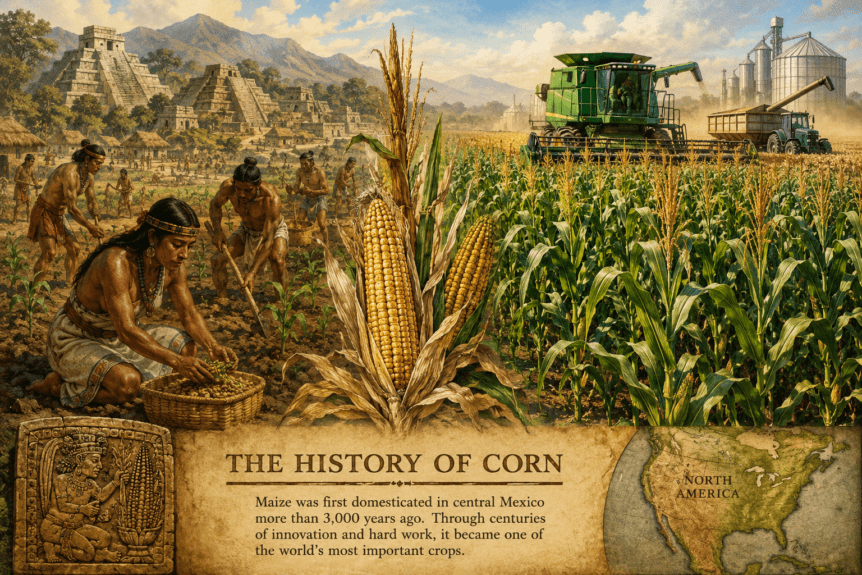
What’s in a Name? When most Americans hear the word “corn,” they immediately think of the tall green stalks that dominate fields across the Midwest. For generations, corn has been …
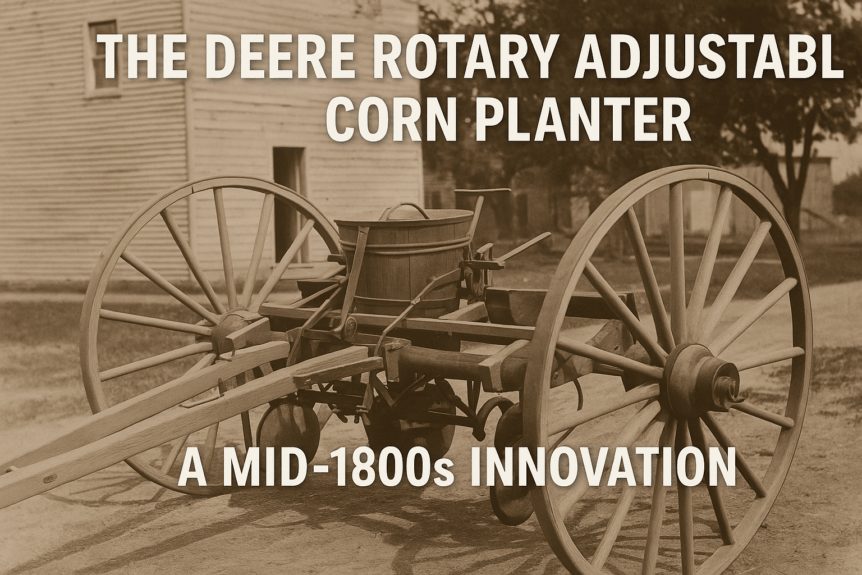
American agriculture in the mid-1800s was undergoing rapid transformation as farmers searched for better tools to improve productivity and efficiency. One of the greatest challenges of the era was achieving …
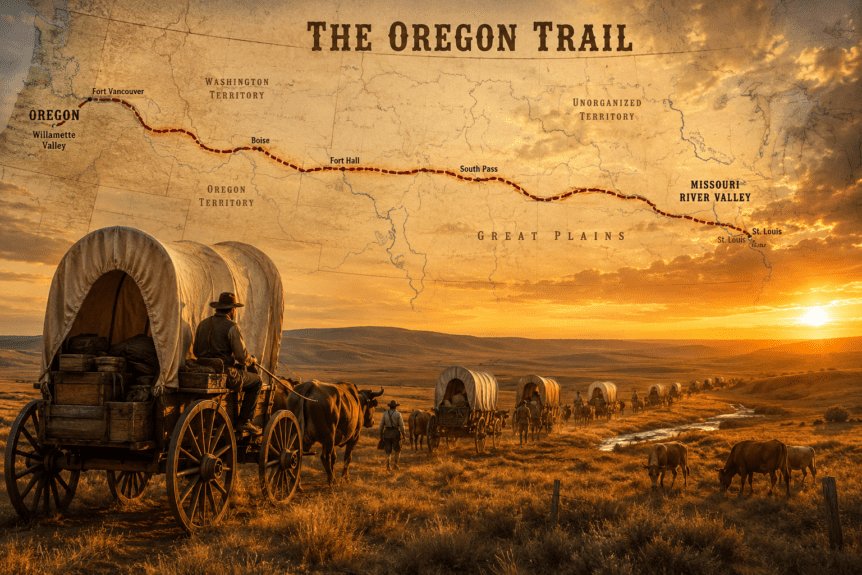
The Oregon Trail’s Lasting Impact on American Farming The Oregon Trail remains one of the most important migration routes in American history and played a major role in the expansion …
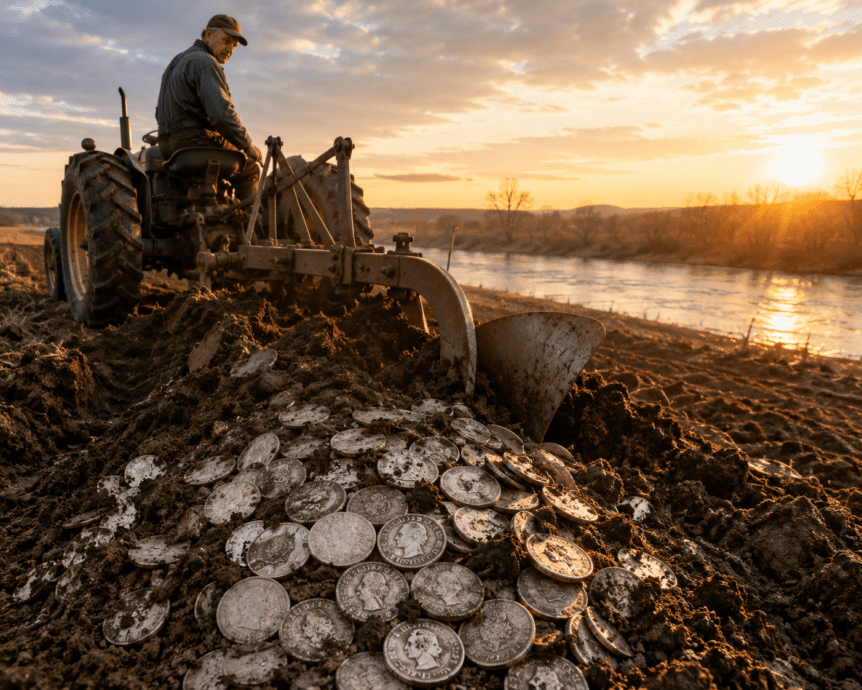
A Remarkable Discovery Along the Missouri River In March 2017, an ordinary day of fieldwork turned into an extraordinary moment in modern agricultural history. According to this edition of the …
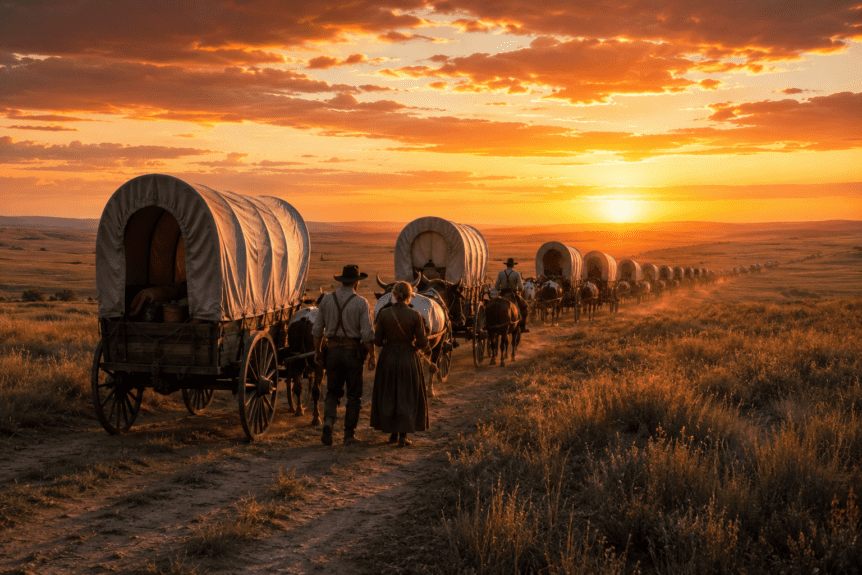
The Oregon Trail remains one of the most important transportation routes in American agriculture history. Stretching approximately 2,170 miles from Missouri to Oregon, the trail helped open the American West …
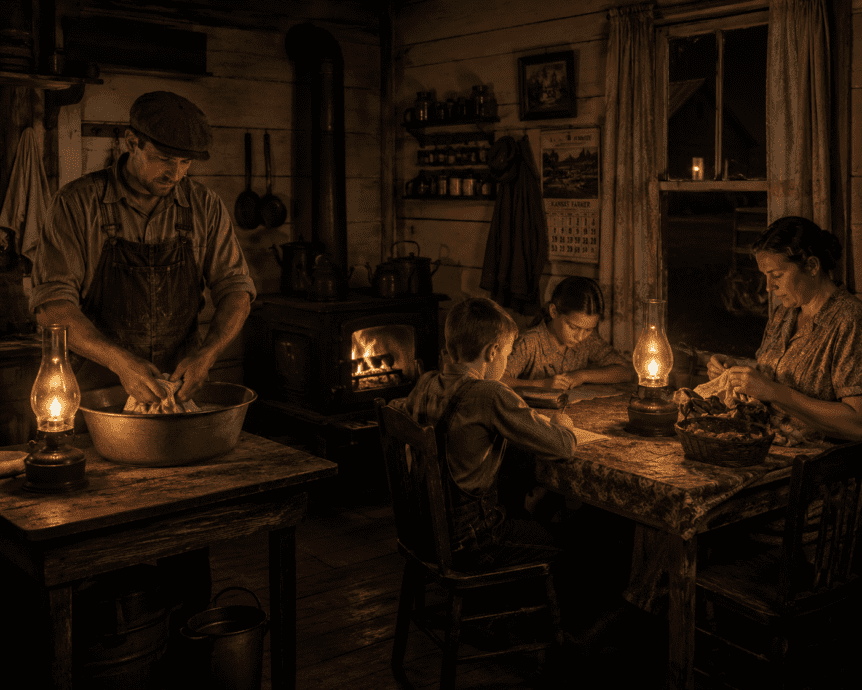
Life on the Farm Before Electricity As late as the mid-1930s, nearly nine out of every ten rural homes in America still lived without electric service. While cities across the …
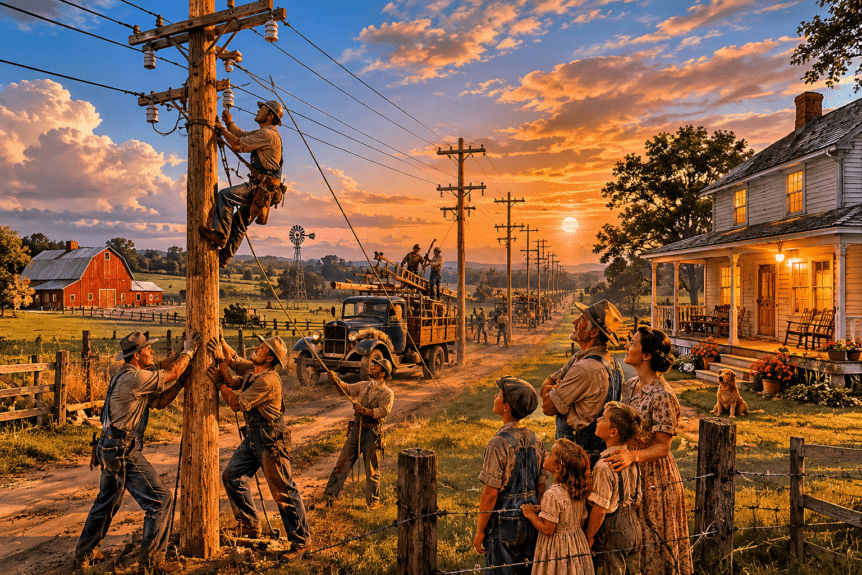
The Beginning of Rural Electrification In the early 1930s, much of rural America lived without electricity. While cities were rapidly modernizing with electric lights, refrigeration, and indoor plumbing, many farming …