









Library of Congress
A Cornerstone of Agricultural Communities
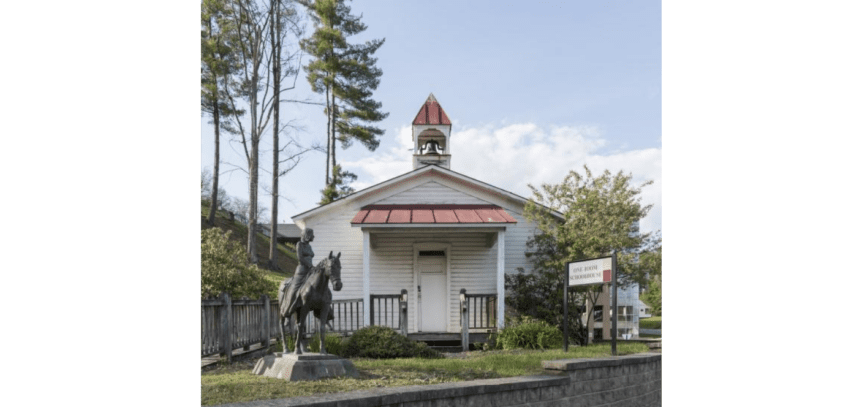
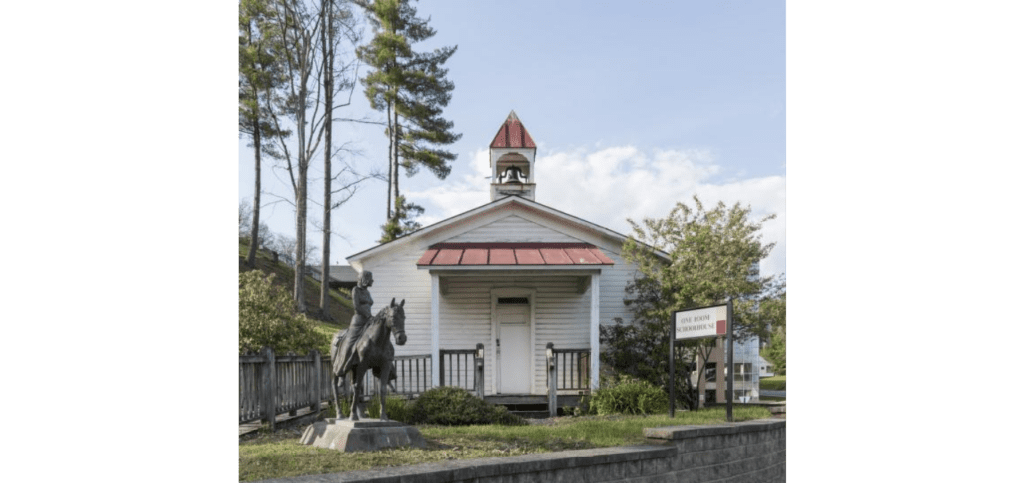
One-room schoolhouses stand as a powerful symbol of early American life, particularly in rural and agricultural communities. As highlighted by agricultural historian Mark Oppold, these modest structures played a vital role in shaping education across the countryside.
In the early years of American settlement, much of the population lived in small, isolated farming communities. Access to formal education was limited, yet deeply valued. Families understood that education was essential not only for personal growth but also for the advancement of agricultural practices and community development.
Built by Farmers, For Their Children
The solution to this challenge came in the form of the one-room schoolhouse. These schools were often constructed by local farmers themselves, reflecting a shared commitment to education and community progress.
Inside these simple buildings, children of all ages learned together under one roof. The curriculum typically included reading, writing, arithmetic, and practical knowledge that supported rural life. Teachers were frequently women—often the educated daughters of nearby farming families—who took on the responsibility of educating the next generation.
A Glimpse into Presidential Roots
Even one of America’s most iconic leaders experienced this humble educational setting. Abraham Lincoln attended a one-room schoolhouse in rural Illinois in 1822. His experience reflects how these schools were not just places of learning, but foundational environments that helped shape influential figures in American history.
From Commonplace to Historic Landmark
One-room schoolhouses remained a fixture of rural America for well over a century. Many continued operating until the 1950s, when consolidation and modernization led to the rise of larger, centralized school systems.
Today, their legacy endures. Approximately 200 one-room schoolhouses are listed on the National Register of Historic Places, preserving their story as an essential chapter in both educational and agricultural history.
Why They Still Matter Today
These historic schoolhouses represent more than just old buildings—they embody the resilience, cooperation, and forward-thinking mindset of rural America. They remind us that education has always been a priority, even in the most remote corners of the country.
For modern agriculture, where innovation and knowledge are critical, the legacy of these early educational efforts continues to resonate.