








The Oregon Trail’s Lasting Impact on American Farming
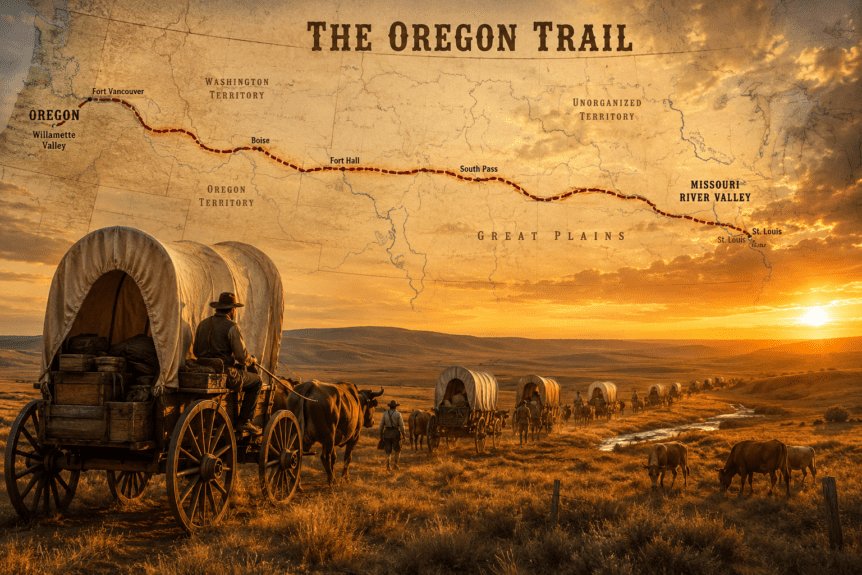
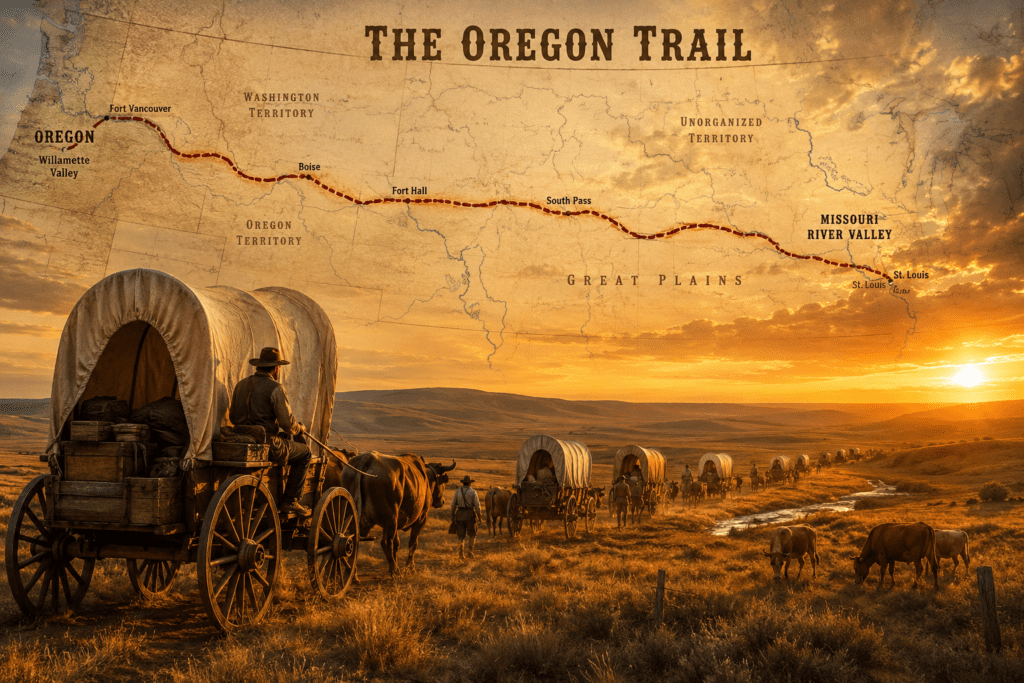
The Oregon Trail remains one of the most important migration routes in American history and played a major role in the expansion of U.S. agriculture during the 19th century. Stretching approximately 2,170 miles from the Missouri River Valley to the Willamette Valley in Oregon, the trail became a pathway for hundreds of thousands of settlers seeking farmland, opportunity, and a new life in the American West.
As highlighted by agricultural historian Mark Oppold in this edition of American Agriculture History Minute, the Oregon Trail was more than just a transportation route — it was a critical link in the development of American agriculture and western settlement.
How the Oregon Trail Began
The route that would later become known as the Oregon Trail was first laid out by fur traders in 1811. These early explorers and traders helped establish a navigable route across rugged terrain that stretched through plains, mountains, and river valleys.
However, the first official wagon train did not successfully cross the trail until 1836. Even then, travel was extremely difficult, and the route was only cleared as far west as Fort Hall, Idaho. For several years afterward, many wagon trains stopped there due to the dangerous and undeveloped conditions farther west.
Despite these challenges, the trail continued to gain popularity as Americans looked westward for fertile farmland and economic opportunity.
The Oregon Trail and Agricultural Expansion
The Oregon Trail became a lifeline for settlers moving west to establish farms, ranches, and communities. The fertile lands of the Willamette Valley in Oregon attracted families hoping to build successful agricultural operations.
Before the completion of the first transcontinental railroad in 1869, the Oregon Trail served as one of the primary routes for western migration. Historians estimate that more than 400,000 settlers traveled the trail during this period.
These settlers carried seeds, livestock, tools, and farming knowledge with them, helping spread agriculture across the western United States. Their migration significantly contributed to the growth of American farming and rural development.
Fort Hall’s Important Role
Fort Hall, located in present-day Idaho, became a major stopping point along the Oregon Trail. During the early years of westward migration, it marked the farthest cleared portion of the trail and served as a supply and rest location for settlers.
The fort played a critical role in helping travelers prepare for the difficult journey ahead through mountainous terrain and harsher western conditions.
The End of the Trail Era
The importance of the Oregon Trail gradually declined after the completion of the transcontinental railroad in 1869. Rail transportation allowed settlers and goods to move west much faster, safer, and more efficiently than wagon travel.
Even so, the legacy of the Oregon Trail remains deeply connected to the growth of American agriculture and the settlement of the western United States.
Why the Oregon Trail Still Matters Today
Today, the Oregon Trail stands as a symbol of perseverance, exploration, and agricultural expansion. It represents the determination of early settlers who risked everything in search of fertile land and new opportunities.
The trail’s influence can still be seen in the agricultural strength of the Pacific Northwest and throughout the western United States.
As Mark Oppold reminds listeners in this American Agriculture History Minute, understanding the Oregon Trail helps us better appreciate the sacrifices and vision that helped shape modern American agriculture.