









More Than Exploration: Agricultural Discovery
I’m Mark Oppold with an American Agriculture History Minute. While the expedition of Lewis and Clark is widely remembered for charting unknown territories and seeking a passage to the Pacific, their journey revealed much more than new land. It also uncovered sophisticated agricultural systems already thriving across the American frontier.
Observations Along the Missouri River
As the expedition moved up the Missouri River in search of the long-sought Northwest Passage, members of the Corps of Discovery carefully documented what they observed. Among their most important findings were the agricultural practices developed by Native American tribes.
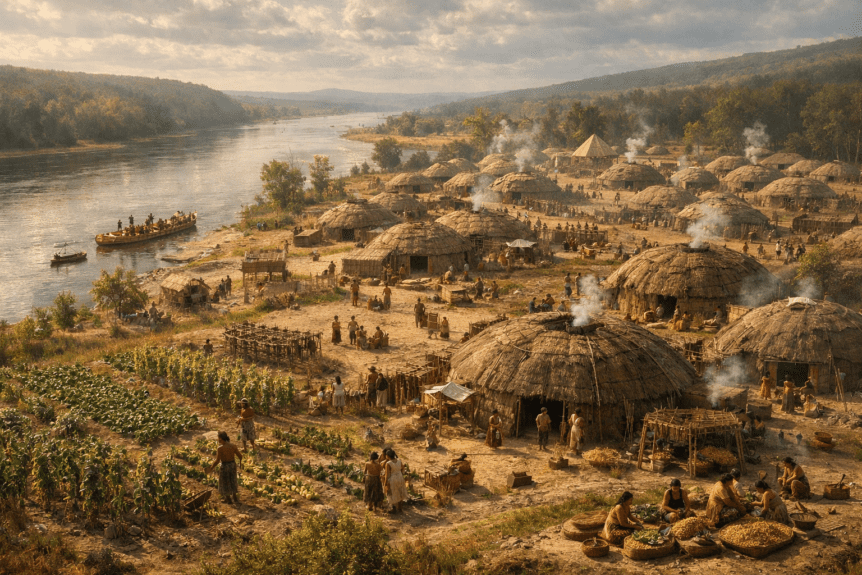
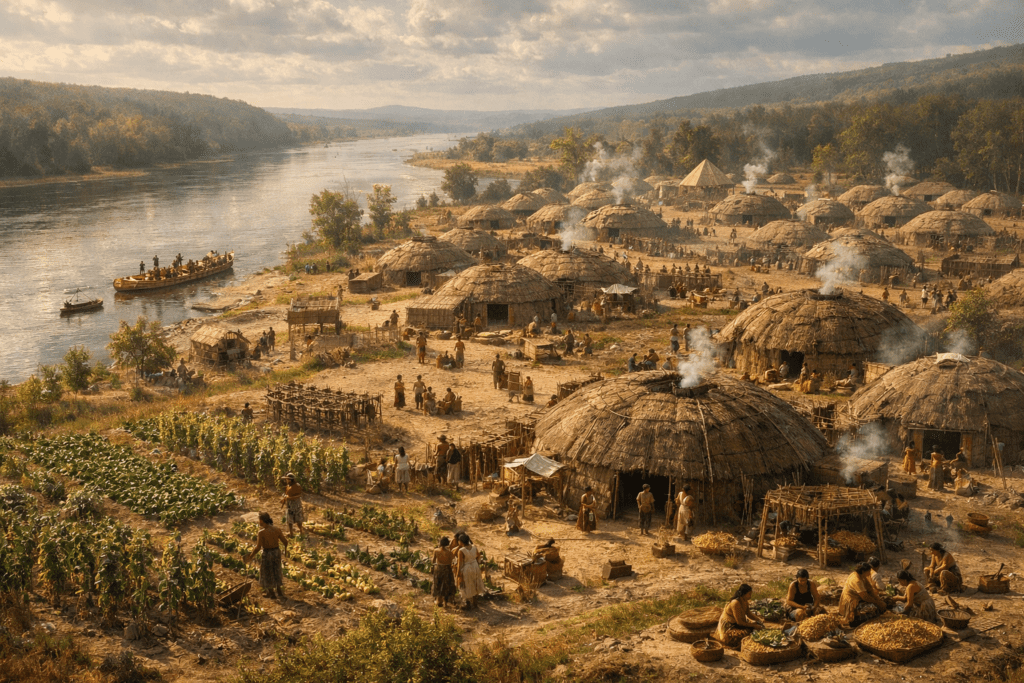
Historians point out that these notes challenged prevailing assumptions of the time. Rather than encountering primarily nomadic groups following buffalo herds, Lewis and Clark found numerous permanent Native American settlements. These were not small encampments, but large, organized villages—some comparable in size to St. Louis or even larger.
The Role of Agriculture in Native Communities
The key to these established communities was agriculture. Native American tribes had developed effective farming systems that allowed them to cultivate crops, sustain large populations, and build stable societies. Crops such as corn, beans, and squash—often referred to as the “Three Sisters”—formed the backbone of their agricultural success.
Because of these practices, these communities were able to feed themselves reliably. This agricultural stability eliminated the need for constant movement, enabling them to thrive in one place rather than live a purely nomadic lifestyle.
A Shift in Understanding
The observations recorded during the Lewis and Clark expedition reshaped how early Americans understood Indigenous life. Agriculture was not only present—it was advanced, organized, and central to the survival and growth of Native communities.
These discoveries remain an important reminder that long before westward expansion, complex agricultural systems were already deeply rooted across the continent.
I’m Mark Oppold with an American Agriculture History Minute.