









Library of Congress
Life Before Electricity on the Farm
By 1930, rural life in America looked vastly different from what we know today. More than 90% of rural homes still relied on kerosene lamps for lighting. When the sun went down, so did most daily activity. Illumination was dim, limited, and often hazardous.
Without electricity, running water systems and indoor bathrooms were largely impossible. Farm families depended on hand pumps, wells, and outhouses—daily routines that required significant time and physical effort. Even simple tasks like reading, cooking, or completing chores after dark were far more difficult.
Electricity wasn’t just a convenience—it represented a complete transformation of rural living standards.
The Turning Point: Early 1930s Electrification
That transformation began in the early 1930s.
For many rural Americans, the arrival of electricity marked a historic turning point. Communities that had long been disconnected from modern infrastructure suddenly found themselves on the brink of a new era.
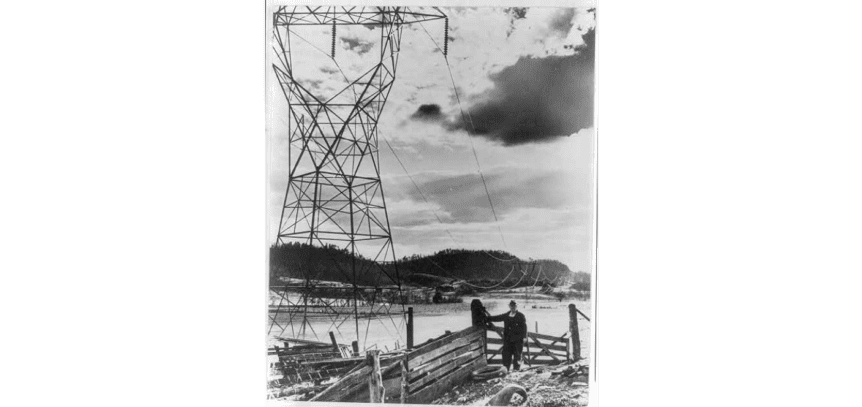
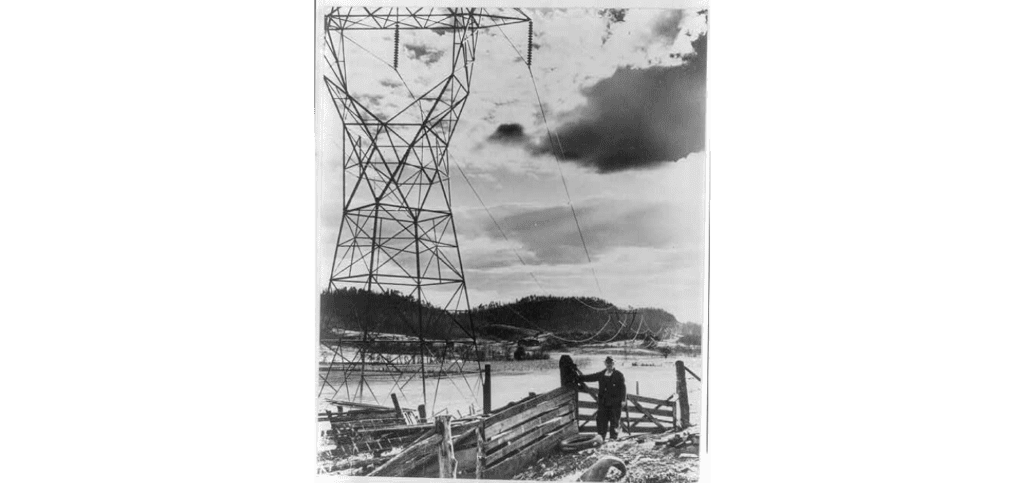
Electric lines stretched across open farmland, connecting homes that had never before experienced power. This wasn’t just technological progress—it was a deeply personal milestone for farm families who had waited generations for such change.
“Zero Hour”: A Moment Never Forgotten
For those who lived through it, one moment stood above all others.
It was often called “zero hour.”
This was the exact moment when electric lines were energized—when power officially flowed into rural homes for the first time. Families prepared in advance:
- Houses were already wired
- Light bulbs were installed and ready
- Radios were set in place, waiting to come alive
Then it happened.
With the flip of a switch, darkness gave way to light. Radios crackled to life. A new world opened instantly.
For many, it became one of the most memorable experiences of their lifetime—a moment that symbolized progress, hope, and connection to the wider world.
A New Era for Rural America
The arrival of electricity reshaped agriculture and rural living in profound ways. It enabled:
- Modern conveniences like indoor plumbing and refrigeration
- Increased productivity through electric-powered equipment
- Improved communication through radios and, later, telephones
- A higher quality of life for farm families
What began as a single moment—“zero hour”—quickly evolved into a permanent transformation of rural America.
Conclusion
The story of rural electrification is more than infrastructure—it’s about people, progress, and the power of innovation to change lives overnight.
For those who witnessed it, the first flicker of electric light wasn’t just illumination—it was the dawn of a new age.
Today’s American Agriculture History Minute. I’m Mark Oppold.