









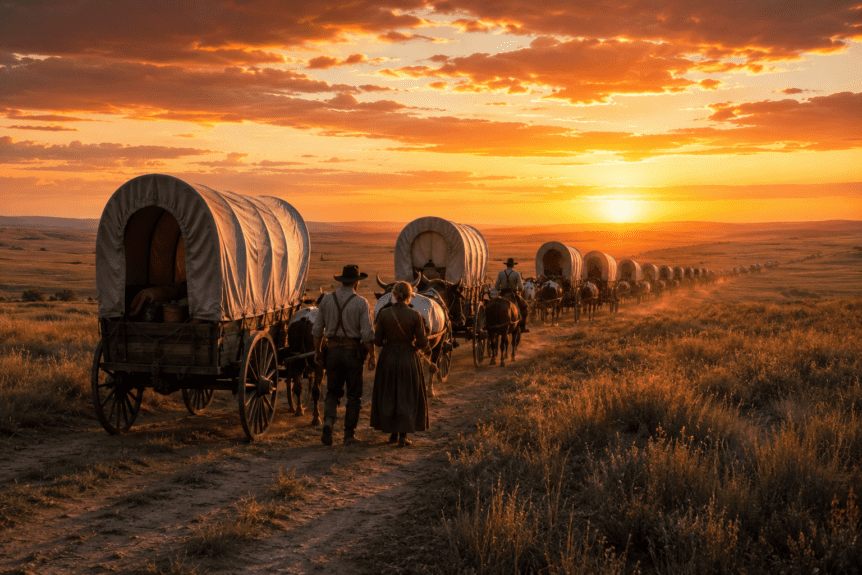
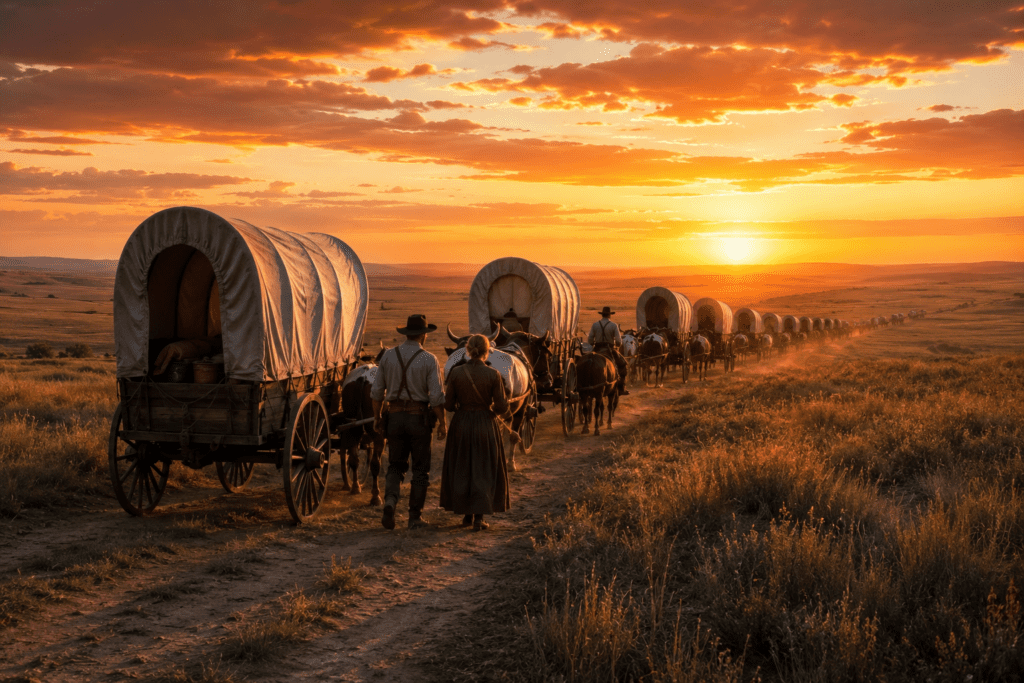
The Oregon Trail remains one of the most important transportation routes in American agriculture history. Stretching approximately 2,170 miles from Missouri to Oregon, the trail helped open the American West to settlers, farmers, ranchers, and traders during the 19th century. Its impact on agriculture, migration, and westward expansion helped shape the development of the United States.
The Route of the Oregon Trail
The eastern portion of the Oregon Trail crossed through what are now the states of Kansas, Nebraska, and Wyoming. Travelers moved across vast prairies, crossed rivers, and endured difficult terrain as they made their way westward.
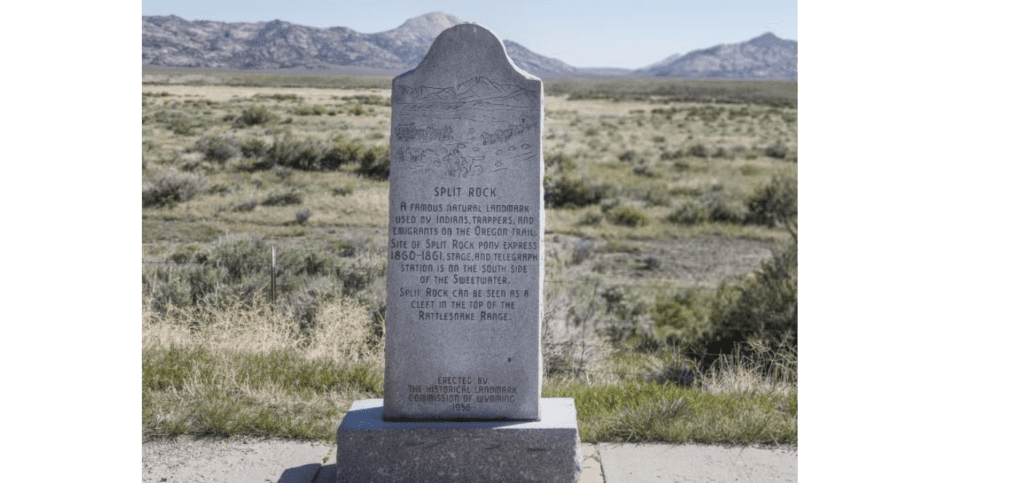
The western half of the trail carried pioneers through present-day Idaho and eventually into Oregon. The journey was long, dangerous, and physically exhausting, but thousands of settlers believed the opportunity for fertile farmland and a better future made the risks worthwhile.
Origins of the Trail
The Oregon Trail was first established by fur traders and trappers between approximately 1811 and 1840. Early users of the route traveled primarily on foot or horseback while navigating rugged wilderness areas.
These traders helped identify practical pathways through mountains, plains, and river valleys. Over time, their routes became more organized and better known, eventually forming what became the famous Oregon Trail.
The First Wagon Train
By 1836, organized migration along the trail began to increase significantly. That year, the first migrant wagon train was organized in Independence, Missouri, which soon became one of the major departure points for westward settlers.
The introduction of wagon trains transformed the Oregon Trail into a major migration corridor. Families packed supplies, livestock, tools, and farming equipment into covered wagons and traveled together for safety and support.
The trail became especially important to agriculture because many settlers moving west were farmers seeking rich land for crops and livestock production. Their migration contributed to the agricultural growth of the Pacific Northwest and other western territories.
Agriculture and Westward Expansion
The Oregon Trail played a major role in expanding American agriculture beyond the Mississippi River. As settlers established farms and communities along the route and in Oregon Territory, agricultural production expanded rapidly.
Farmers brought knowledge, seeds, livestock, and farming practices that helped build rural economies throughout the West. The trail also encouraged the development of transportation routes, trading posts, and supply centers that supported agricultural commerce.
Although travel conditions were often harsh, the Oregon Trail symbolized opportunity and perseverance for thousands of American families.
A Lasting Historical Legacy
Today, the Oregon Trail stands as a powerful symbol of determination, exploration, and agricultural expansion in American history. Historic landmarks, wagon ruts, museums, and preserved trail sites continue to tell the story of the pioneers who traveled west in search of new opportunities.
The trail’s influence on agriculture and settlement remains an important chapter in the history of rural America.