
…surplus crops. Extra wheat, corn, oats, and livestock—particularly hogs—became valuable commodities for trade or sale. These exchanges were crucial to frontier life, as they allowed farmers to obtain necessities that…

 |  |  |  |  |  |  |  |  |
Below you'll see everything we could locate for your search of “corn”
…surplus crops. Extra wheat, corn, oats, and livestock—particularly hogs—became valuable commodities for trade or sale. These exchanges were crucial to frontier life, as they allowed farmers to obtain necessities that…
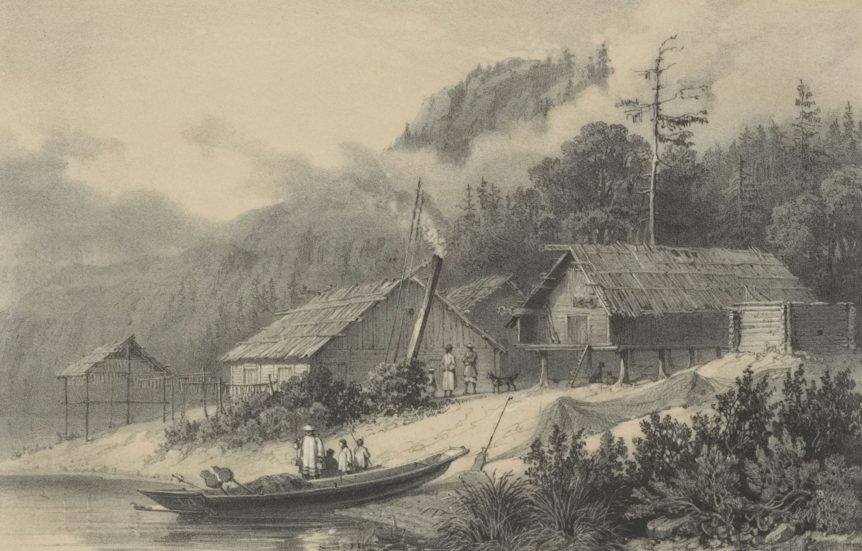
…harsh weather, and surviving isolation. Yet, their persistence paid off. These early pioneers laid the foundation for the agricultural powerhouse that Iowa remains today—a state known globally for its corn,…
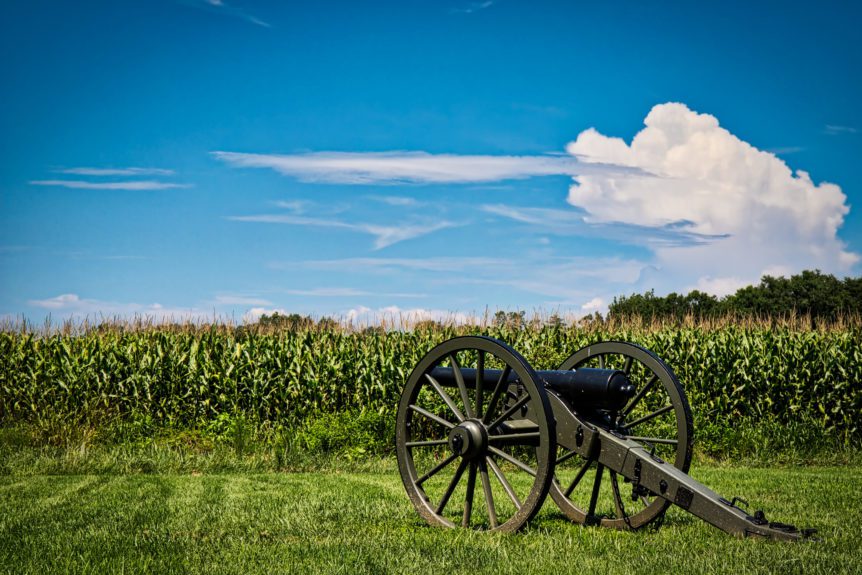
…into Nebraska, Kansas, and beyond, farmers began to change course. They discovered that corn offered a more reliable income—especially when paired with livestock production. Corn could be fed directly to…
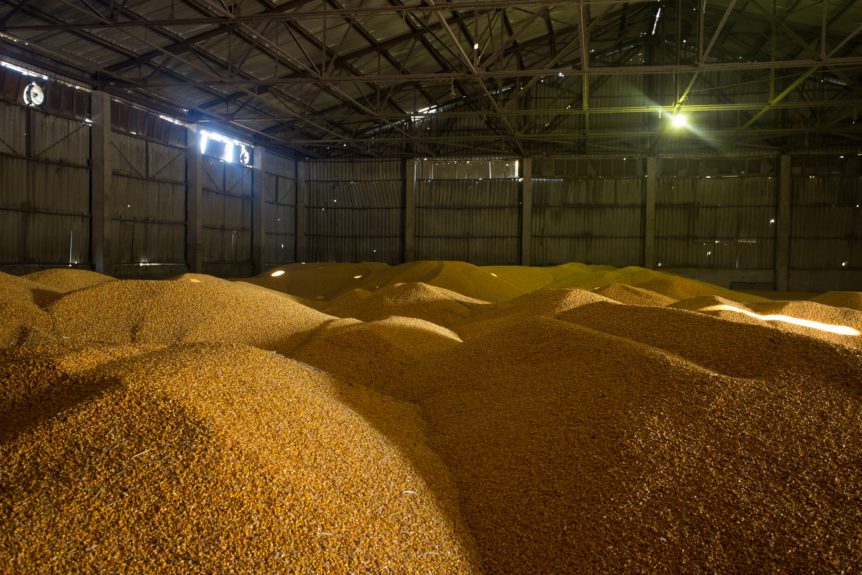
The Birth of Cargill: From Iowa Grain Storage to Global Agribusiness Shelter for storage of corn and grain products. Large heaps of grain are built under the roof in the…

…areas of the business—it keeps things harmonious.” A Year-Round Commitment to Farming Van Groningen & Sons cultivates an impressive range of crops—watermelons, pumpkins, honeydews, cantaloupes, sweet corn, squash, almonds, walnuts,…

…on investment in less than a year. We’re currently working with specialty row crops, but we also have applications in corn, soy, and even unconventional crops like roses and dandelions….
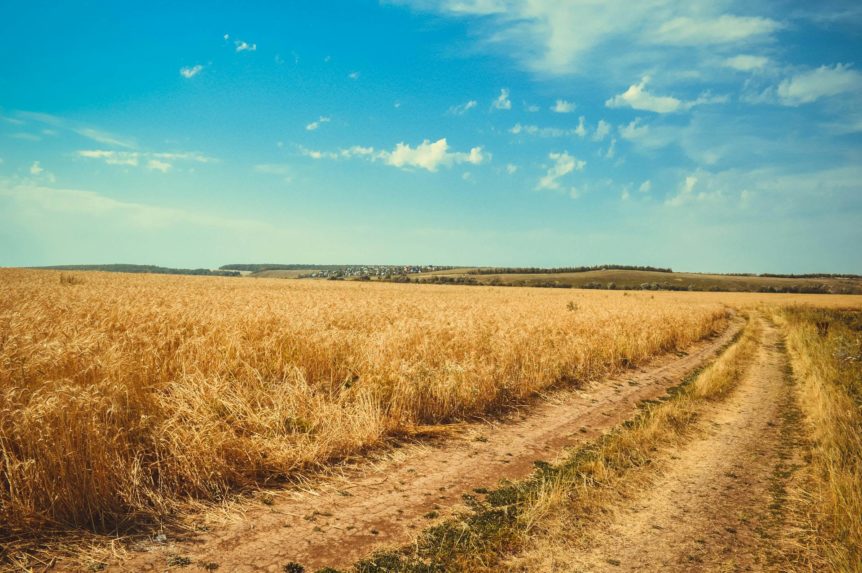
…supplied the West Indies with essential commodities like corn and flour. This trade helped balance the colonial economy and created early commercial links between the American colonies and international markets….

…family tradition with Brian Van Groningen of Van Groningen & Sons in Manteca. The fourth-generation farmer talked about his family’s 100-year legacy growing watermelons, cantaloupes, honeydews, sweet corn, and pumpkins…
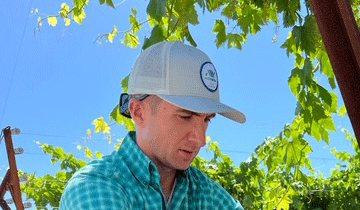
…it’s been used in row crops like cotton, corn, tomatoes, and melons—but now we’re exploring its long-term potential for orchards. If we can make buried drip efficient and durable for…
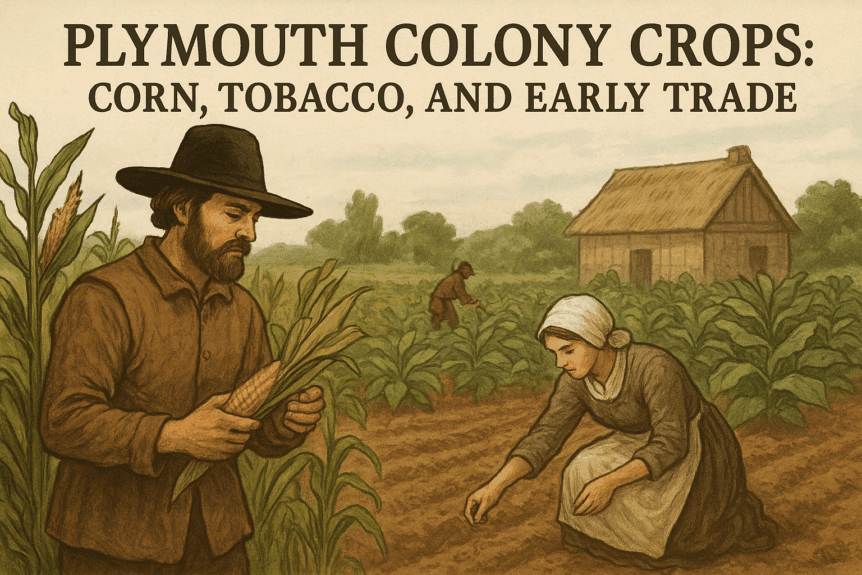
…or maize. Corn was not only more adaptable to New England’s soil and climate but also provided a dependable food source critical for survival. Plymouth Colony Crops: Corn, Tobacco, and…
…a versatile, cost-effective option that continues to gain popularity. The conversation touched on grass-fed vs. corn-fed beef, Prop 12’s lingering impact on pork supplies, and what to expect this turkey…
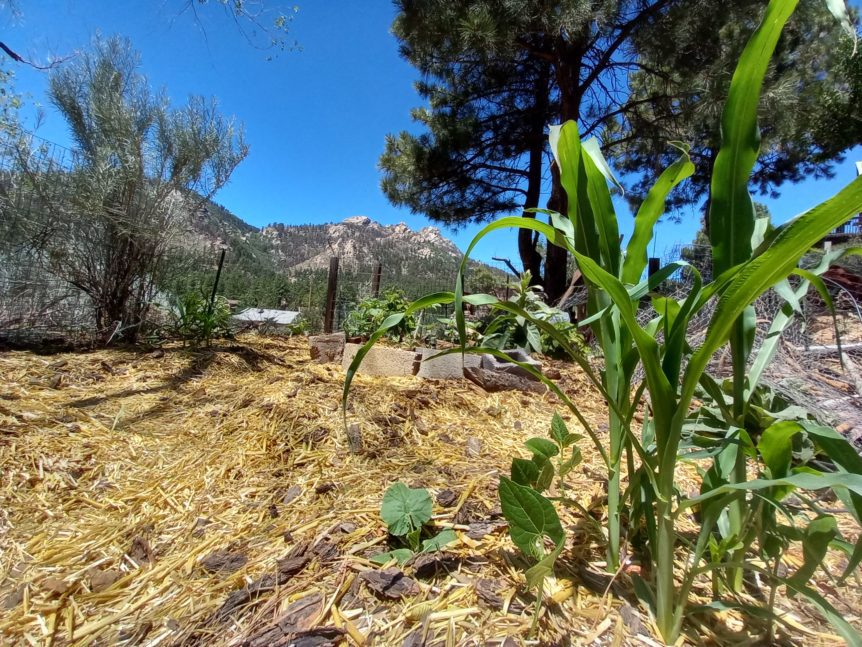
…Three Sisters: Corn, Beans, and Squash Perhaps the most famous Native American farming system was the “Three Sisters” method. This intercropping strategy involved planting corn, beans, and squash together: Corn…

…his own smaller farm growing almonds, walnuts, tomatoes, carrots, and corn. With about 65 full-time employees, his leadership reflects both administrative vision and boots-on-the-ground farming experience. Don Cameron: Leading California…
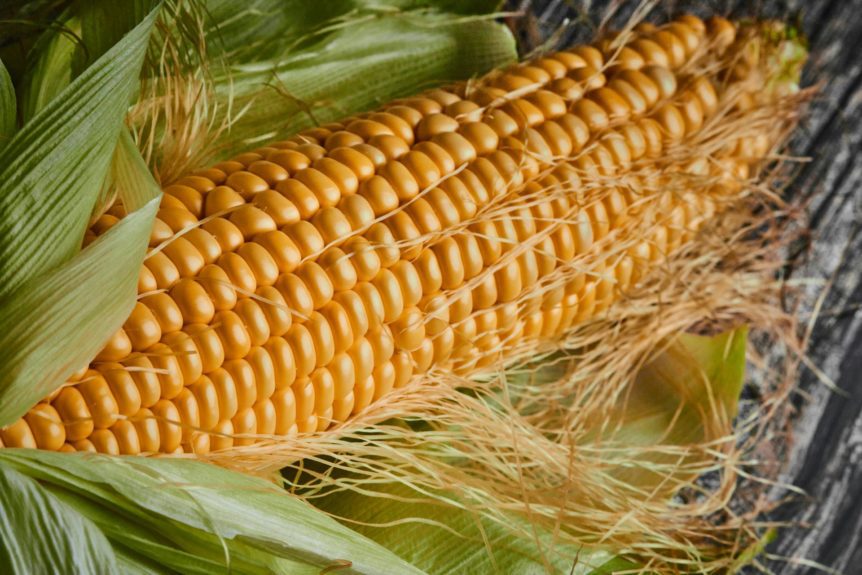
Photo by Marjhan Ramboyong/Pexels image A Pioneer in Agriculture Henry A. Wallace is widely celebrated as the father of hybrid seed corn and the founder of the Pioneer Hybrid Seed…