
…Wheat and Corn in Cooler Regions In cooler regions, wheat became a staple crop, particularly when land was newly settled. Wheat’s resilience in cooler climates made it an ideal choice…
 |  |  |  |  |  |  |  |  |
Below you'll see everything we could locate for your search of “corn”
…Wheat and Corn in Cooler Regions In cooler regions, wheat became a staple crop, particularly when land was newly settled. Wheat’s resilience in cooler climates made it an ideal choice…
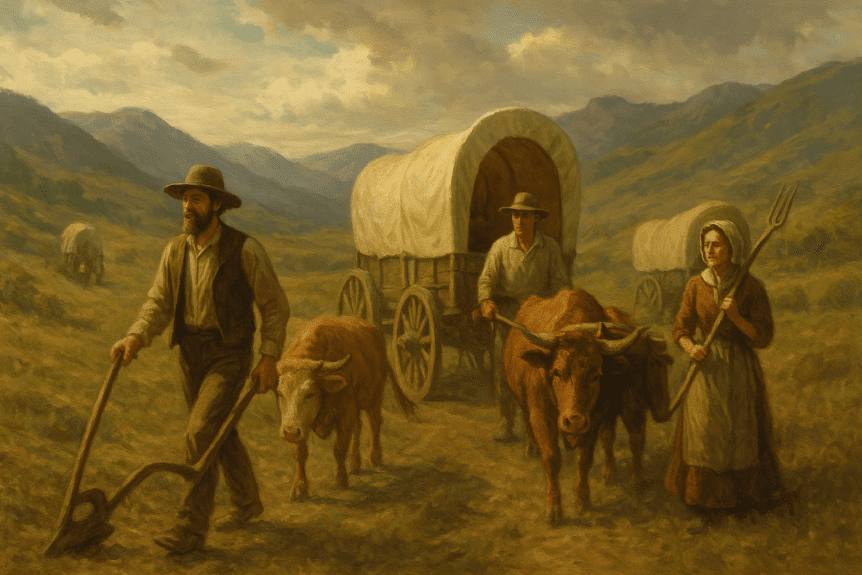
…nation’s agricultural expansion. Corn, Hogs, and the Practical Realities of Early Midwest Farming In the Midwest, a different combination of agricultural practices defined the region: corn and hogs. Corn grew…
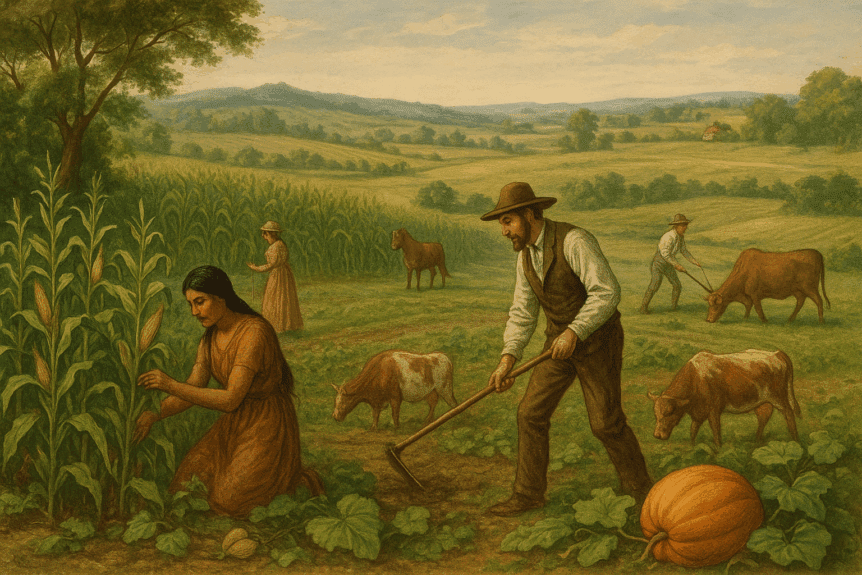
…region, American Indian tribes had already built a thriving agricultural system in Ohio. These communities cultivated staple crops that became the backbone of early American diets, including: Corn Soybeans Squash…

…productivity, noting that fast-growing crops like corn rapidly deplete CO₂ at ground level when actively photosynthesizing. He emphasized that farmers already use CO₂ enrichment in greenhouses to boost growth. Dan…
…crops that were shipped to neighboring regions and growing cities. Corn and soybeans, in particular, became essential to the state’s agricultural identity. This rapid growth positioned Ohio as a cornerstone…
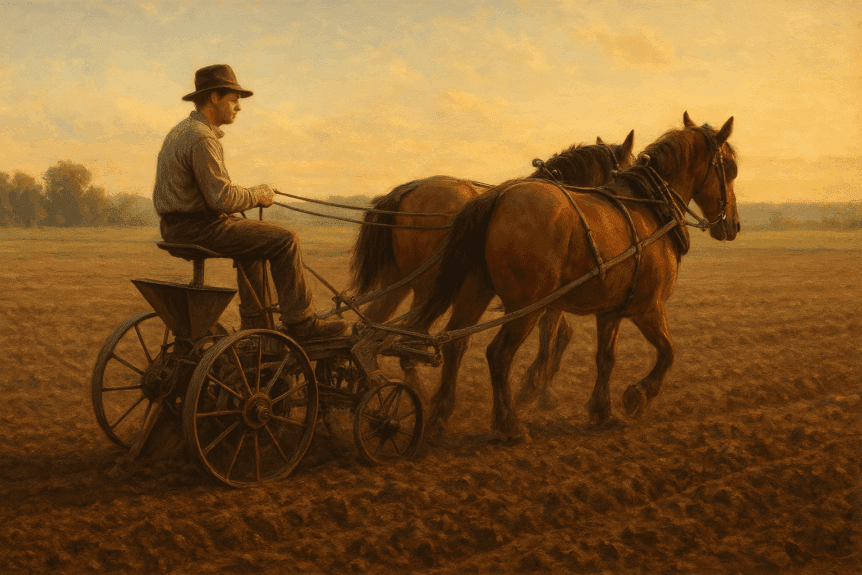
…technology—the creation of the Deere & Mansur corn planter. As agriculture expanded across the United States, so did the need for more accurate and efficient planting equipment. This growing demand…

…the director of farming for Old River Farming Company and RNG Fanucchi, overseeing the cultivation of corn silage, wheat silage, and other crops essential to feeding dairy cows across Kern…

…future of dairy support crops in California. Gianelli, whose family has farmed in Kern County for five generations, oversees roughly 30,000 acres of corn silage, wheat silage, and feed crops stretching from…

…footprint. The company develops solutions across multiple crops—including sugarcane, corn, soybeans, citrus, and more—focusing on improving efficiency, cutting input costs, and generating high-quality agronomic data. Among its most exciting innovations…
…in the field,” he said. “That’s the kind of innovation I can get behind.” Wetli, who grew up on a corn and soybean farm near Purdue University, said he’s seen firsthand…
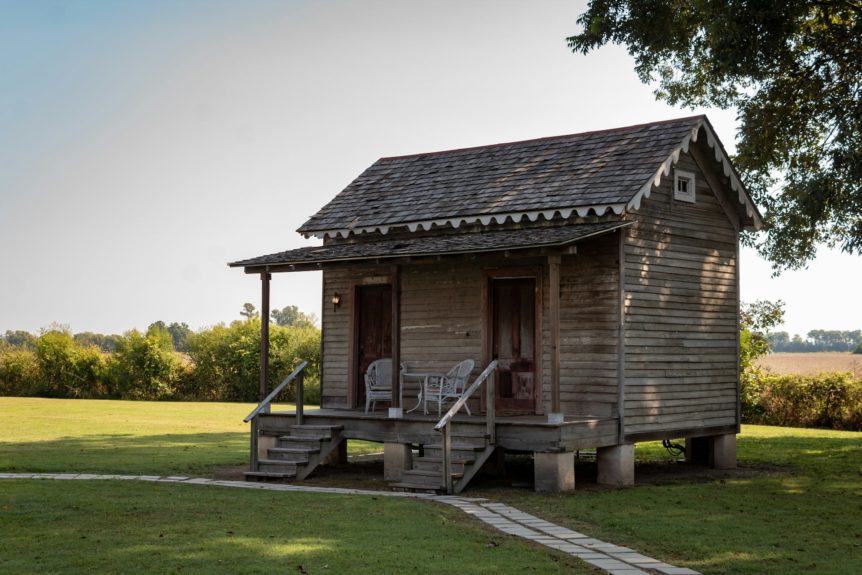
…crops like corn, wheat, and vegetables for personal consumption. Only limited quantities were sold or bartered within the local community. These subsistence farms represented the backbone of rural America, providing…
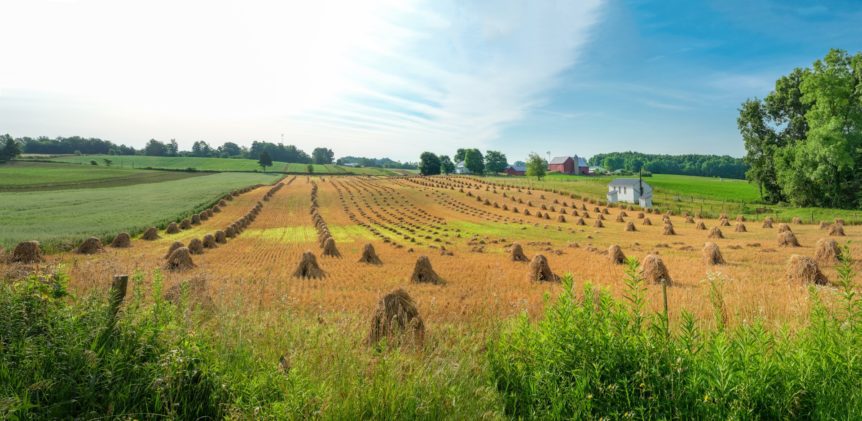
…the colonists struggled to adapt, Native Americans played a pivotal role in shaping the future of American agriculture. They introduced the settlers to Indian corn, or maize, which would become…

…of large-scale row crops like corn and soybeans, but AI now makes precision possible for specialty crops like strawberries, tomatoes, and peppers. Inspiring the Next Generation of AgTech Innovators Boyd…
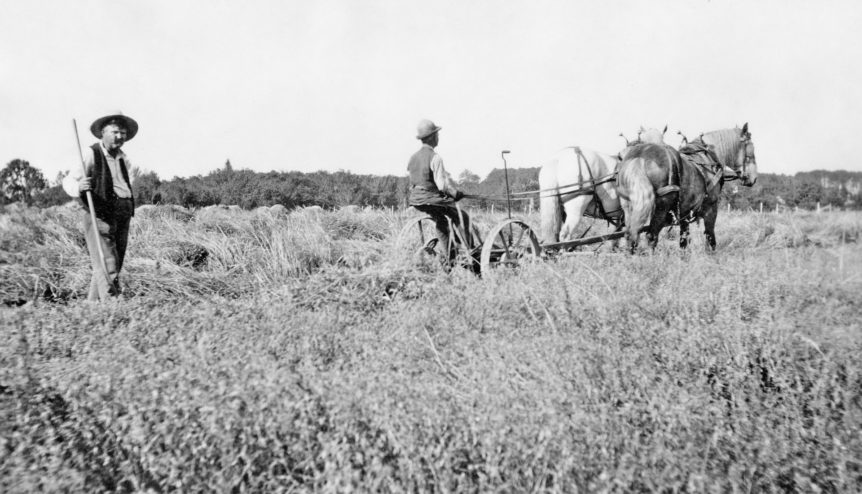
…the Soil To preserve their land, farmers began experimenting with crop rotation, alternating between crops such as corn, oats, and hay. This practice served multiple purposes: it reduced the spread…