
…production. Following the announcement, Papagni spoke with Duarte about his vision for California’s water future. Duarte emphasized what he calls a return to “water abundance”—ensuring that farms, cities, and households…

 |  |  |  |  |  |  |  |  |
Below you'll see everything we could locate for your search of “Farms”
…production. Following the announcement, Papagni spoke with Duarte about his vision for California’s water future. Duarte emphasized what he calls a return to “water abundance”—ensuring that farms, cities, and households…
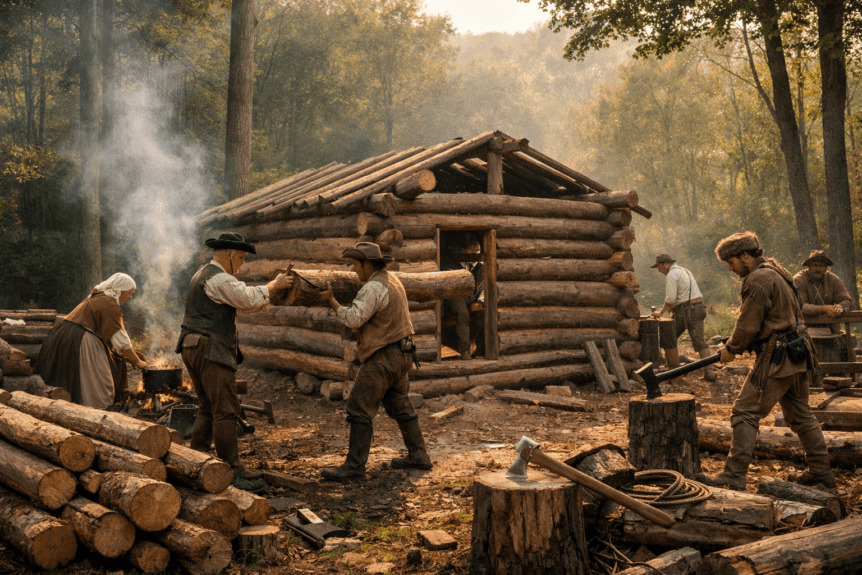
…farms that would support future generations. But life on the frontier was far from easy. Early settlers encountered rugged wilderness, limited infrastructure, and constant challenges as they worked to establish…
…miles of canals designed to deliver water to California’s Central Valley farms. The upcoming conversation promises a deeper look at how California’s water system began and how water policy continues…
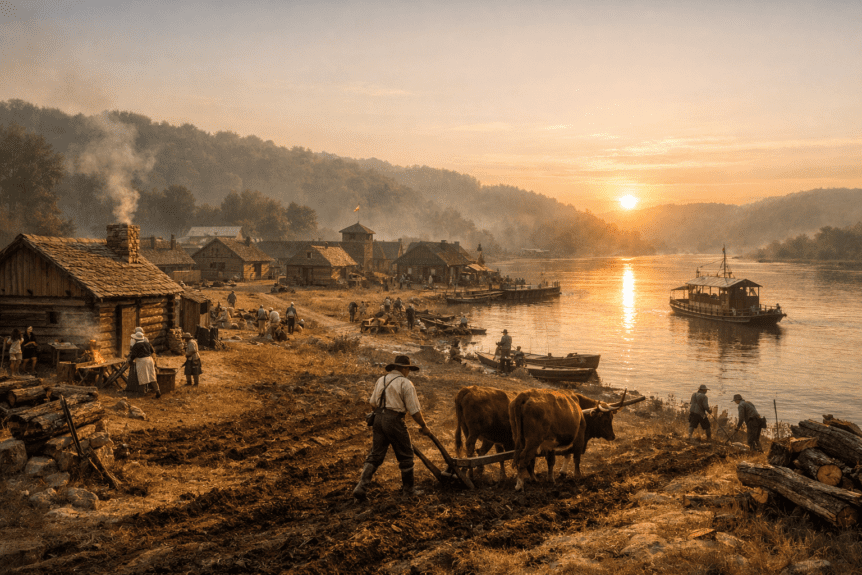
…markets. As farms expanded and populations grew, towns along these waterways became centers of commerce, transportation, and agricultural trade. St. Louis: The Gateway to the West By the early 1800s,…
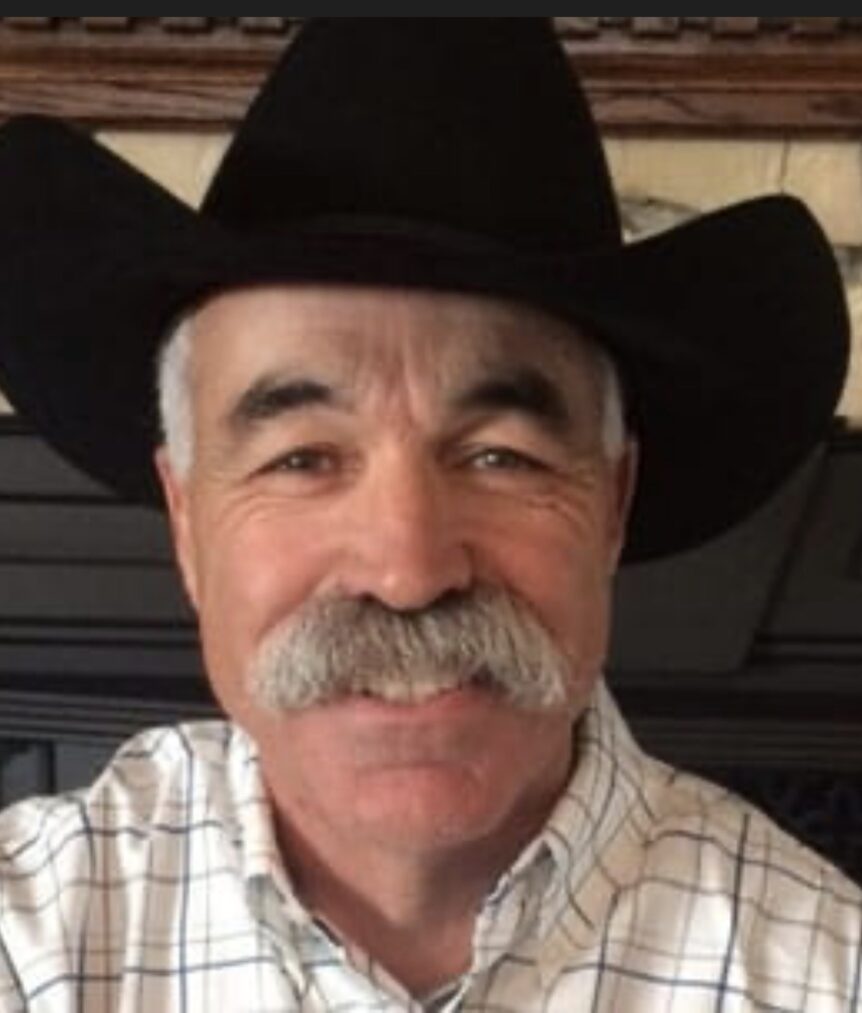
…deep. His family moved to their dairy in Laton in 1974 after immigrating from the Azores, and the operation has remained there ever since. Today, he not only farms but…
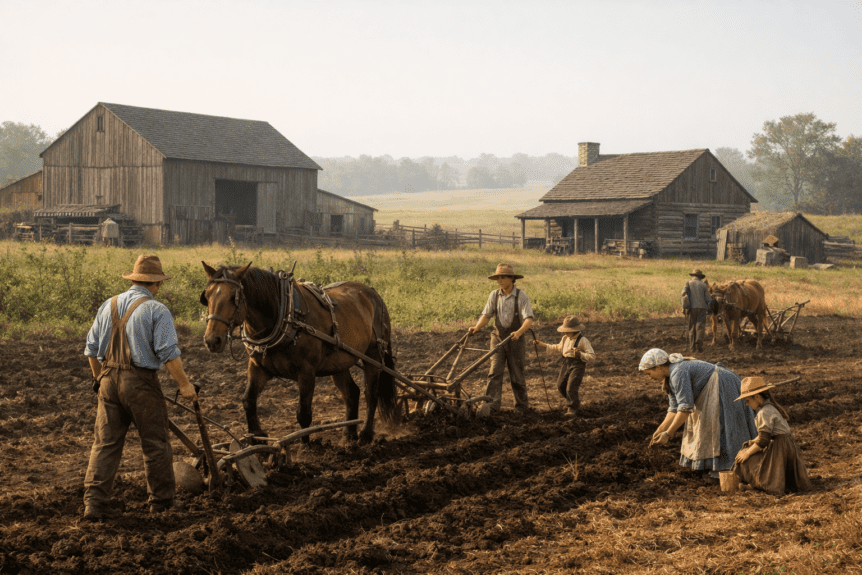
…Farm Growth The growth of farms in the United States during the 19th and early 20th centuries was remarkable. In 1850, there were approximately 1.4 million farms across the country….
…and land requirements per gallon of milk produced. For farmers, sustainability isn’t a buzzword; it’s a necessity tied directly to their goal of passing farms on to the next generation….

…American producers. Michael, a sixth-generation California farmer, spoke candidly about the difficult conditions growers are facing as the 2026 season begins. Bowles Farming Company farms more than 11,000 acres between…

…to entry, Michael notes that when farms disappear, they are rarely replaced. “We’re seeing farms get bigger because smaller operations can’t survive the pressure,” he said. Still, he hopes California…
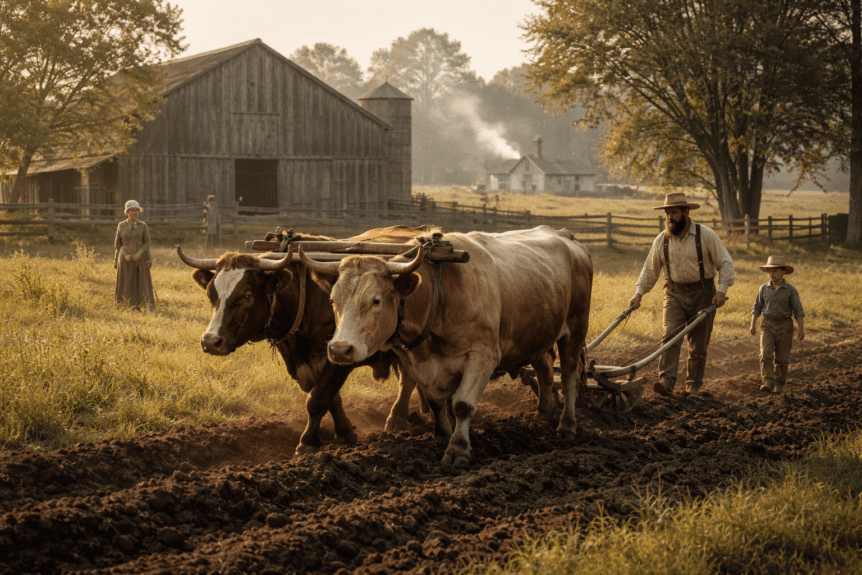
…— hallmarks of German-American farm management. Keeping the Farm in the Family German-Americans also demonstrated a strong cultural commitment to maintaining family farms across generations. There was a long-term tendency…

…the business, which traces its roots back to the historic Miller & Lux cattle enterprise of the mid-1800s. Today, the operation farms roughly 11,000 acres of diverse crops, including tomatoes,…
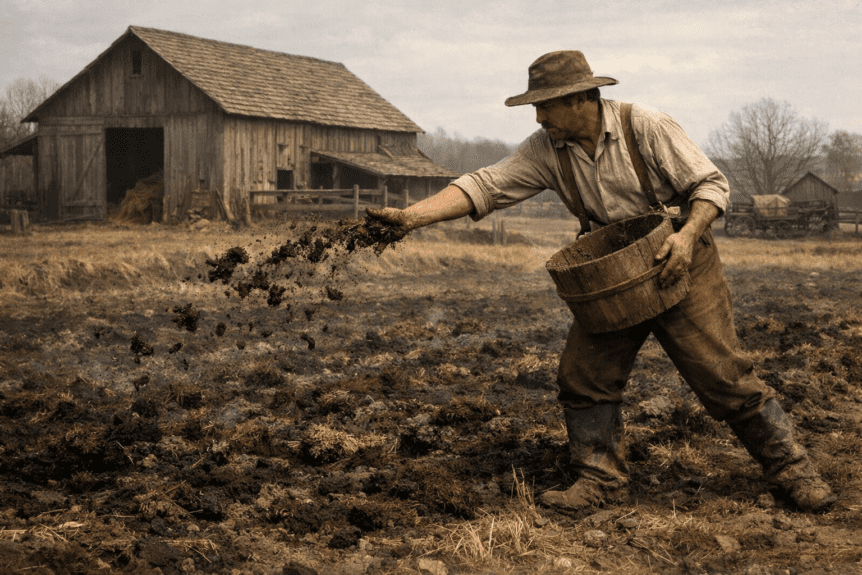
…wood-burning stoves and fireplaces were common in homes and on farms, ash was readily available. Farmers discovered that spreading wood ash on fields helped improve soil conditions and crop growth….

…farms out of the state. Hilton argued that California’s biggest problem is excessive government spending combined with overregulation. According to him, the state budget has nearly doubled in recent years,…
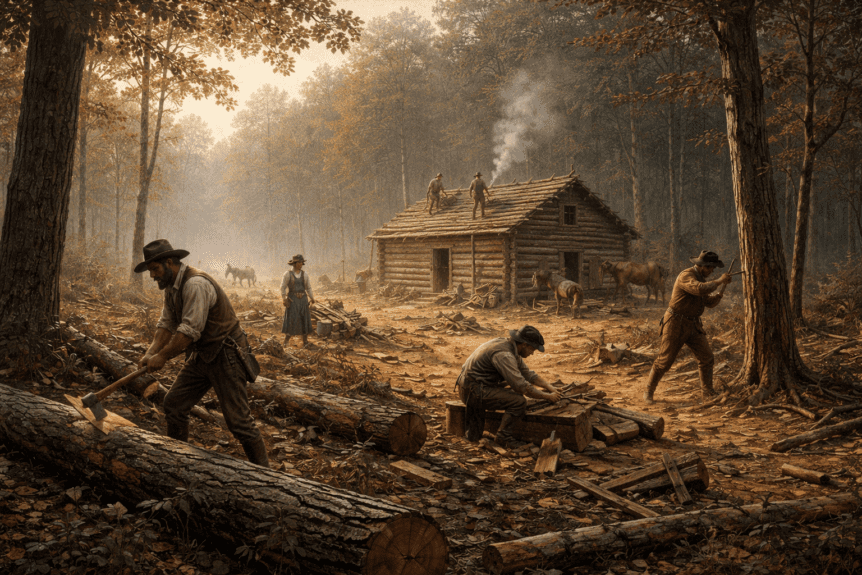
…process of cultivating crops. Agriculture did not begin with plowed fields and barns. It began with axes, sweat, and determination. Those 640-acre grants were not finished farms — they were…