
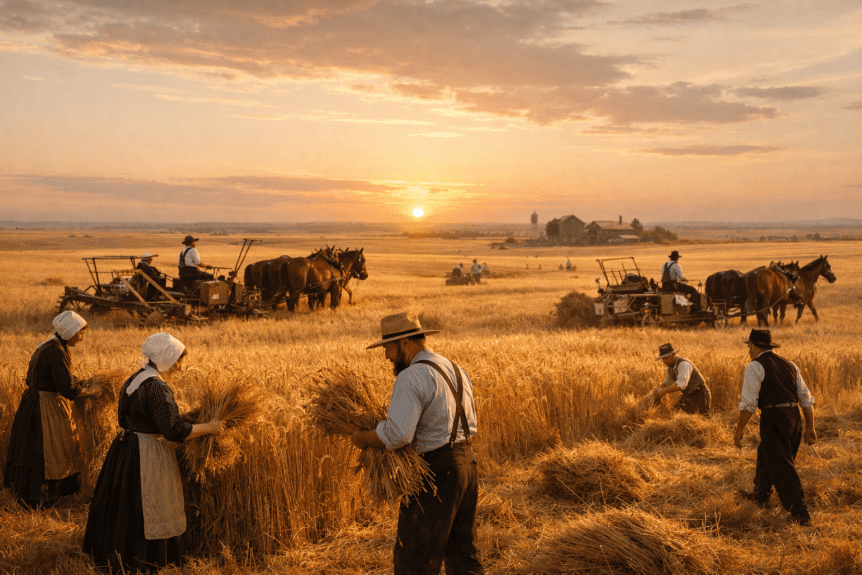
Settlement and the Promise of Kansas Farmland Early agriculture in the state of Kansas was not always successful. When Kansas was opened to settlement in 1854, waves of settlers began …
 |  |  |  |  |  |  |  |  |
Below you'll find a list of all posts that have been categorized as “Grain”
Settlement and the Promise of Kansas Farmland Early agriculture in the state of Kansas was not always successful. When Kansas was opened to settlement in 1854, waves of settlers began …
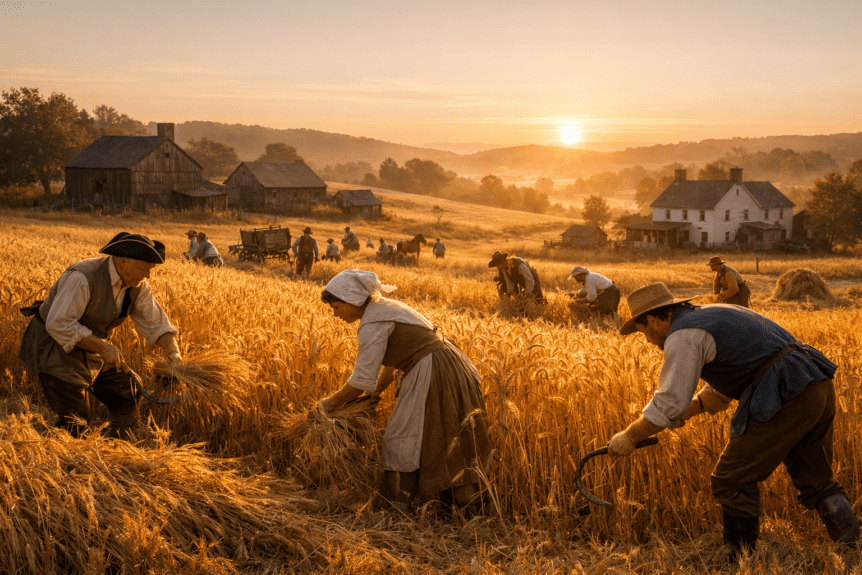
International trade played a powerful role in shaping agriculture in early America. Long before the United States became a global agricultural powerhouse, colonial farmers and traders were already responding to …
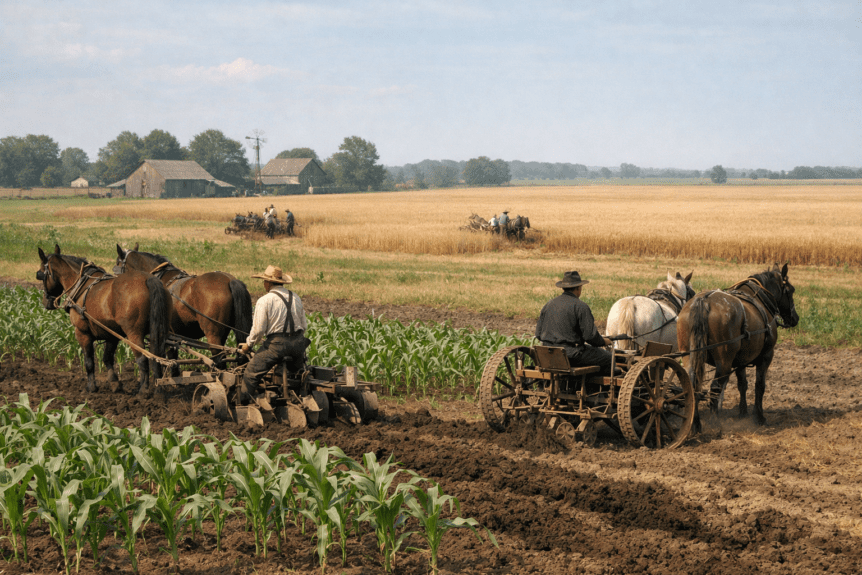
Labor, Land, and Innovation: How 19th-Century Farming Became More Efficient American agriculture in the 19th century underwent a profound transformation as new tools and techniques reshaped how crops were planted, …
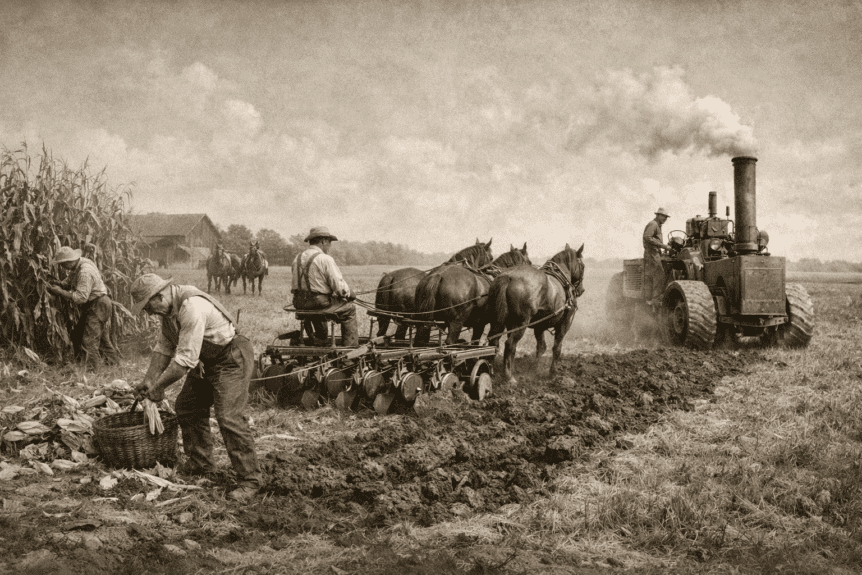
From Hand Labor to Heavy Work: Early American Farming Agricultural production in the United States continued to expand in the early 1800s, but farming remained an intensely labor-driven endeavor. Despite …
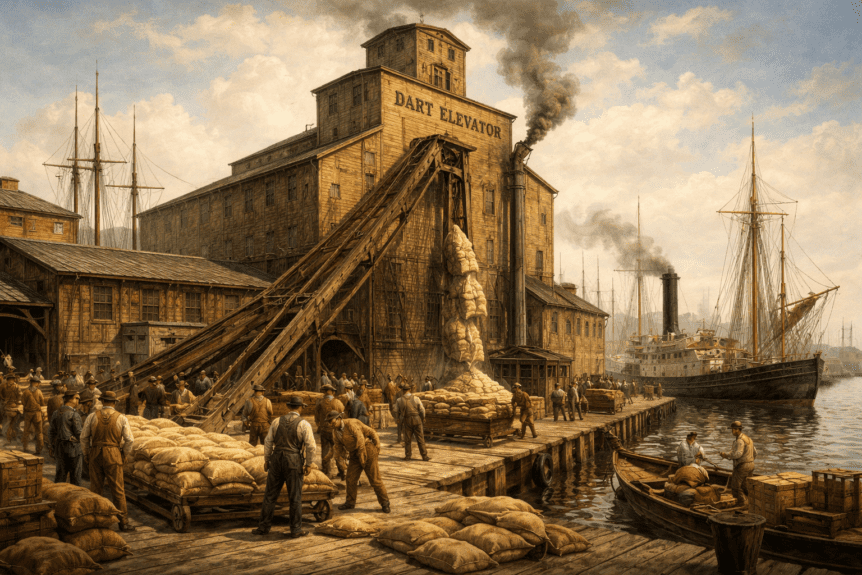
Joseph Dart: A Pioneer in American Agriculture Joseph Dart, though born in Connecticut, left a lasting mark on American agriculture after moving to Buffalo, New York. Dart is best remembered …
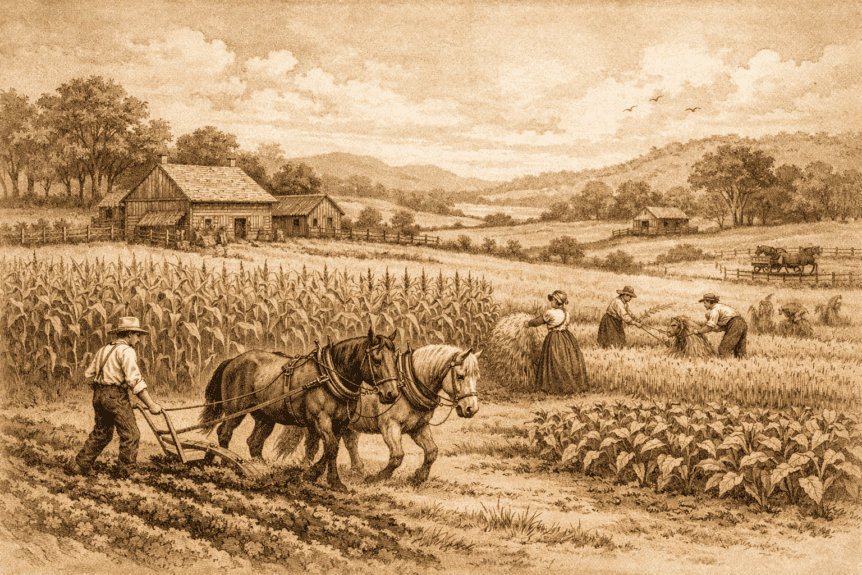
Settling Ohio After the Appalachian Crossing Once early American settlers crossed the Appalachian Mountains, many chose to stop rather than continue westward. After enduring difficult and often dangerous travel, these …
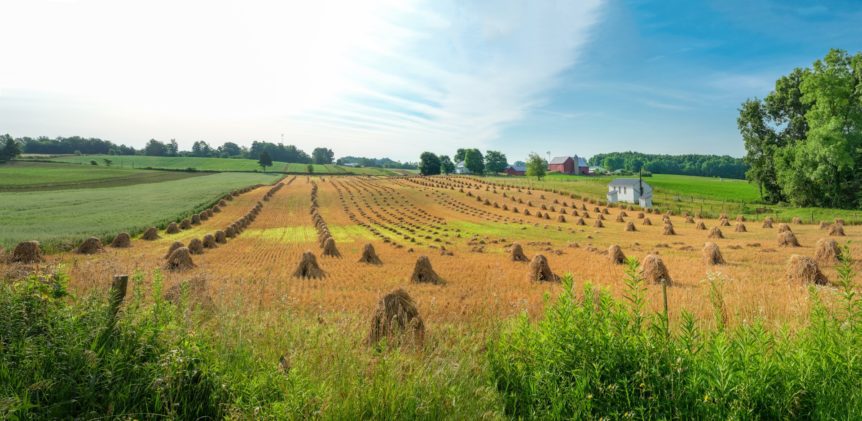
The Roots of American Farming In the early days of American settlement, the first colonists arriving in Plymouth Colony faced unfamiliar soil, weather, and challenges unlike anything they had known …
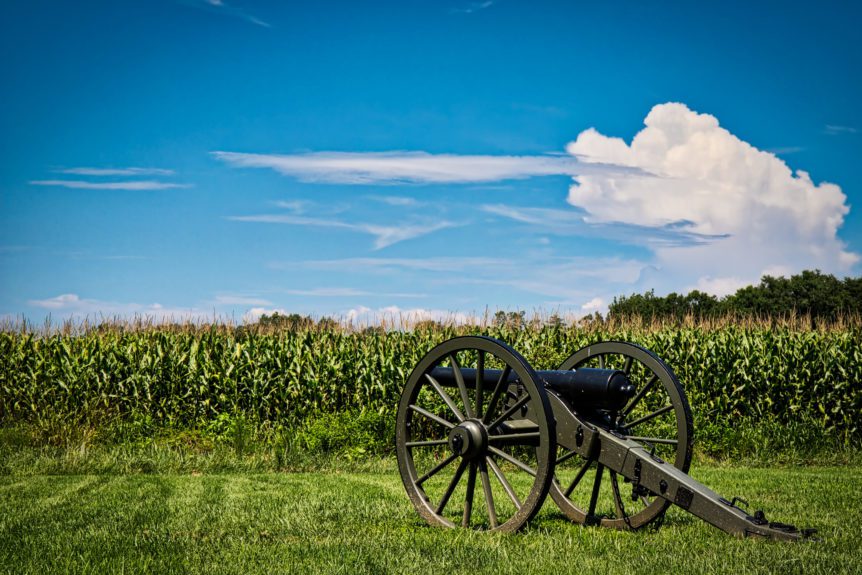
The Civil War’s Wheat Boom During the Civil War, wheat became one of the most valuable crops in the United States. With soldiers and civilians alike needing bread and other …
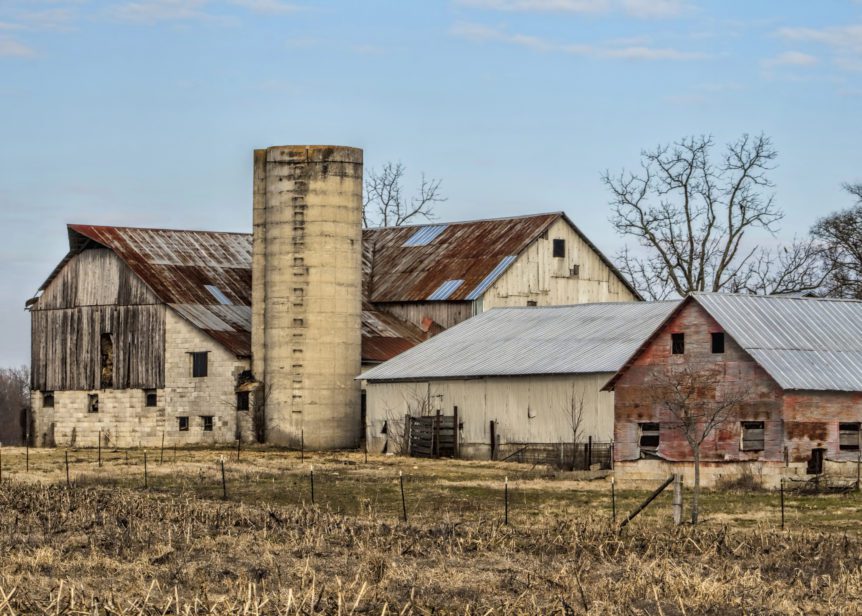
A Pioneering Moment in American Agriculture In 1873, Illinois farmer Fred Hatch built what is believed to be America’s first version of the modern silo. During this period, grain storage …
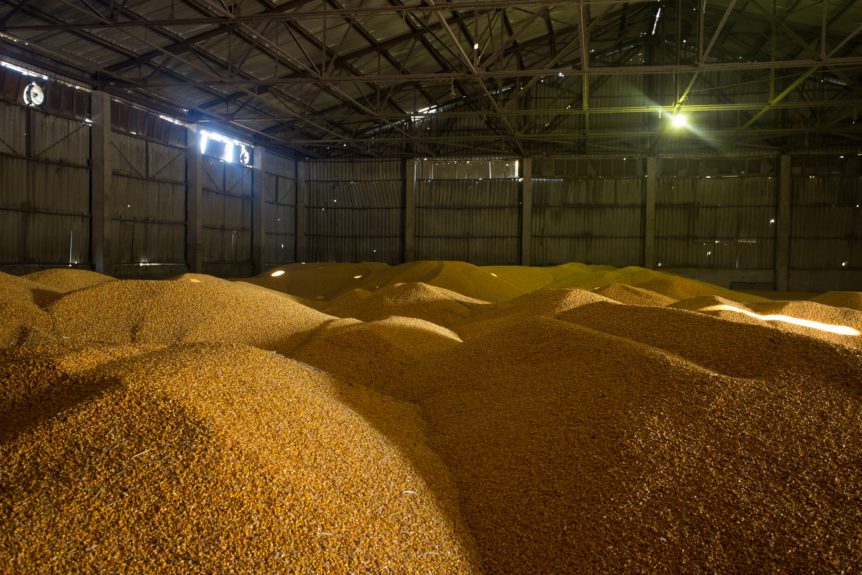
The Birth of Cargill: From Iowa Grain Storage to Global Agribusiness Surplus Grain Sparks Innovation In the mid-1800s, America’s agricultural landscape was changing rapidly. As grain production soared, farmers across …
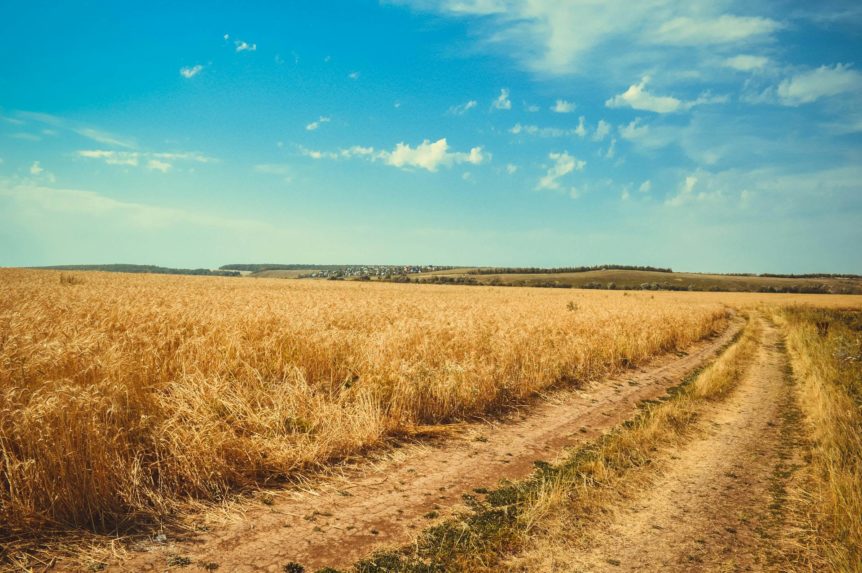
Early Colonial Agriculture and Trade Before 1720, most colonists in the mid-Atlantic region lived through small-scale farming operations that provided both sustenance and a modest income. These family farms were …
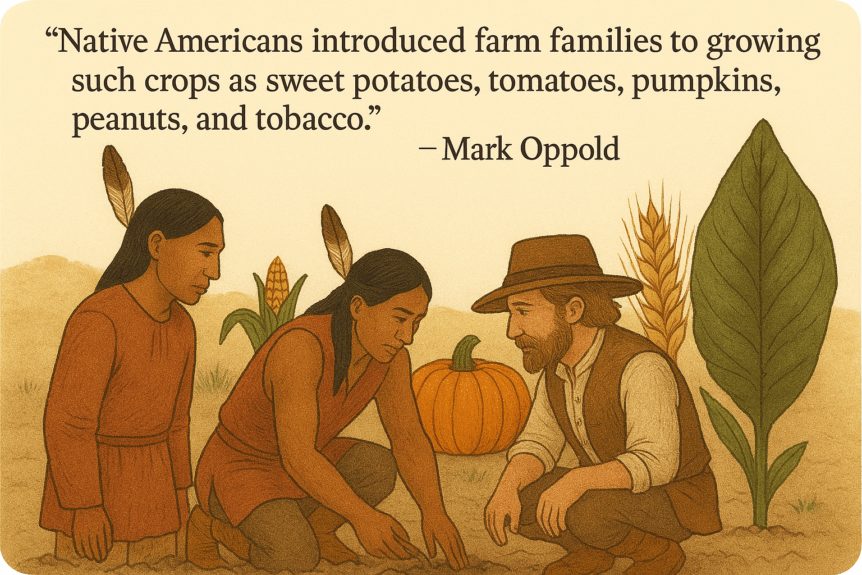
The Crop Exchange That Built American Farming In this edition of the American Agriculture History Minute, Mark Oppold revisits a pivotal moment in agricultural development—when cultures collided and crops crossed …

AgNet News Hour: Joel Allen Talks West Side Farming, Water, and Raising an NFL Quarterback Today’s episode of the AgNet News Hour dives into California’s pressing ag issues, with a …
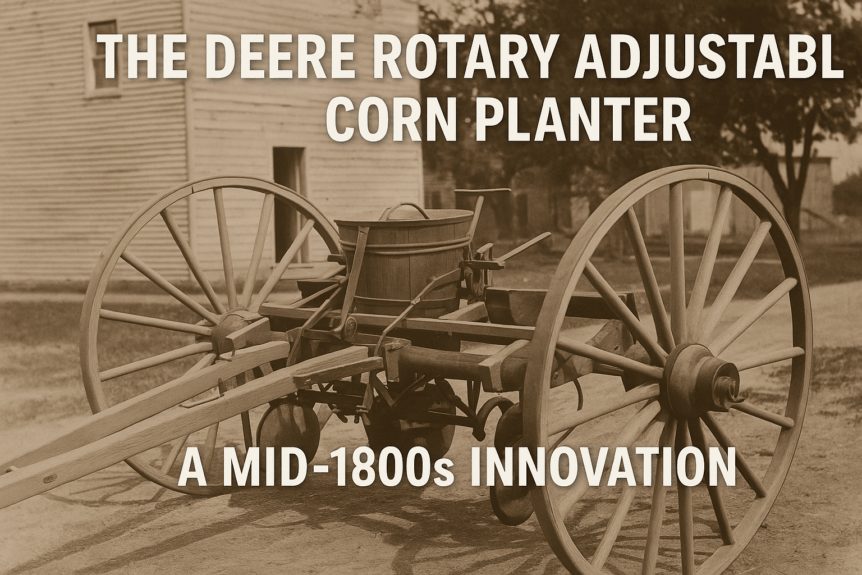
American Agriculture History Minute: Deere and Mansour’s Breakthrough in the 1800s In the mid-1800s, the American agricultural industry faced a critical need: a more accurate corn planting solution. Rising to …