
…production and food assistance programs. By helping organizations improve their storage and distribution capabilities, the program can make it easier for more products from U.S. farmers and ranchers to reach…

 |  |  |  |  |  |  |  |  |
Below you'll see everything we could locate for your search of “cotton production”
…production and food assistance programs. By helping organizations improve their storage and distribution capabilities, the program can make it easier for more products from U.S. farmers and ranchers to reach…

California’s raisin industry is at a crossroads, facing declining acreage, rising labor and production costs, global competition and the challenge of attracting the next generation of farmers. But Jeff Smutny,…
…cost approximately $20,000 to $22,000 per acre, according to Smutny. However, newer varieties and production systems have the potential to dramatically increase yields while reducing dependence on expensive labor. The…

…that the industry has changed significantly from its peak. California raisin production that once reached roughly 350,000 tons annually is now closer to 220,000 tons, while acreage has declined as…
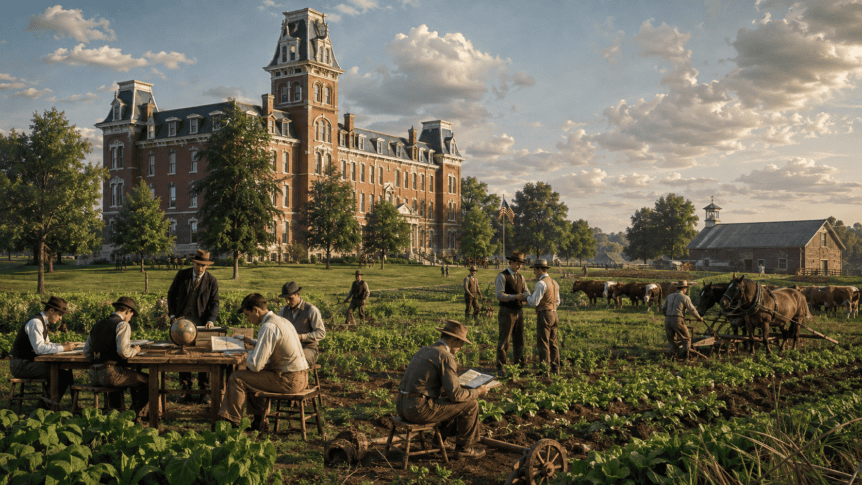
…time, land-grant universities became centers for agricultural research, education and outreach. Their work helped farmers adopt new technologies, improve production practices and address changing agricultural challenges. The system expanded further…
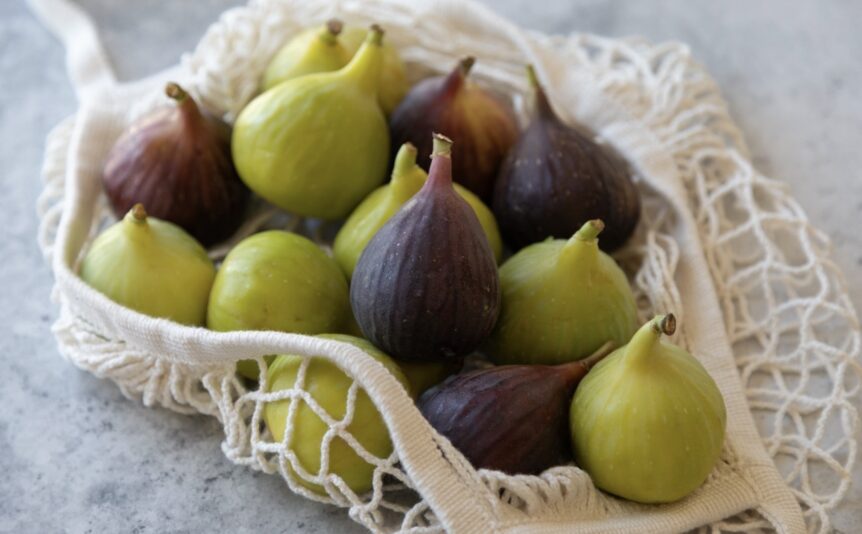
…with about 10 growers involved in production and roughly 100 participants when processors and marketers are included. Production is increasing. Caputo said approximately 6,300 tons were reported in 2025, up…
…countries. But Caputo said California’s production standards, farming practices and generations of experience distinguish the state’s crop in the global marketplace. Availability may actually be one of the industry’s biggest…
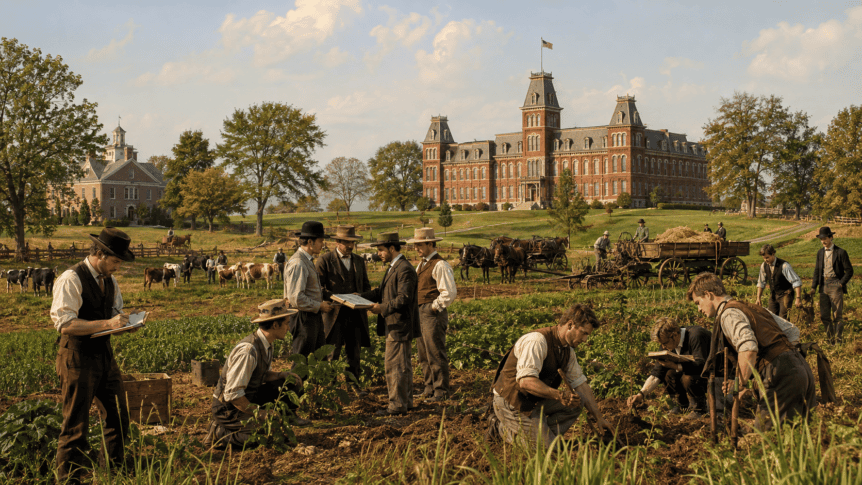
…generations of farmers and agricultural professionals adopt new knowledge, technologies, and production practices. Not Every Land-Grant University Was an Agricultural School While agriculture was a central purpose of the land-grant…
…and a Difficult Melon Market An unusually warm March pushed Del Bosque Farms into melon production early, allowing the operation to begin harvesting in mid-June. However, later production from other…
…of managing technology, regulations and sophisticated production systems. Water Remains the Biggest Challenge Water is another major focus. Del Bosque discusses the potential impacts of SGMA and the importance of…
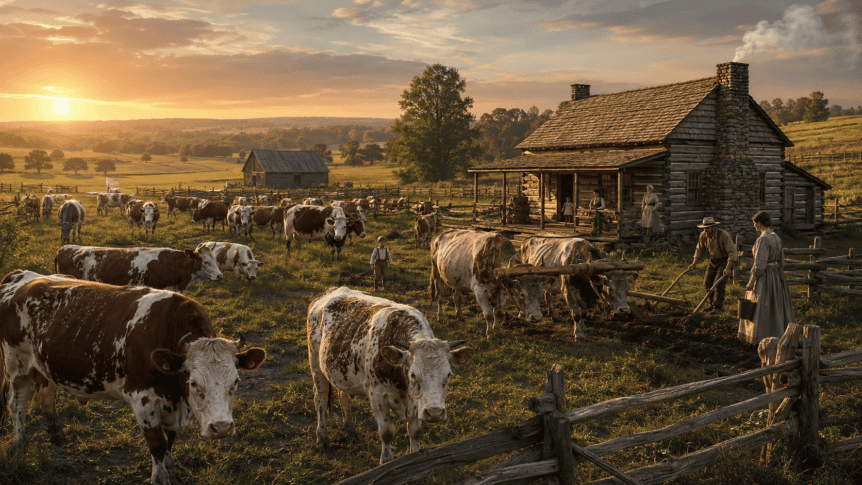
…milestone in the development of American livestock production, as farmers sought animals that could perform multiple roles on family farms. A True Multi-Purpose Farm Animal Unlike many modern cattle breeds…
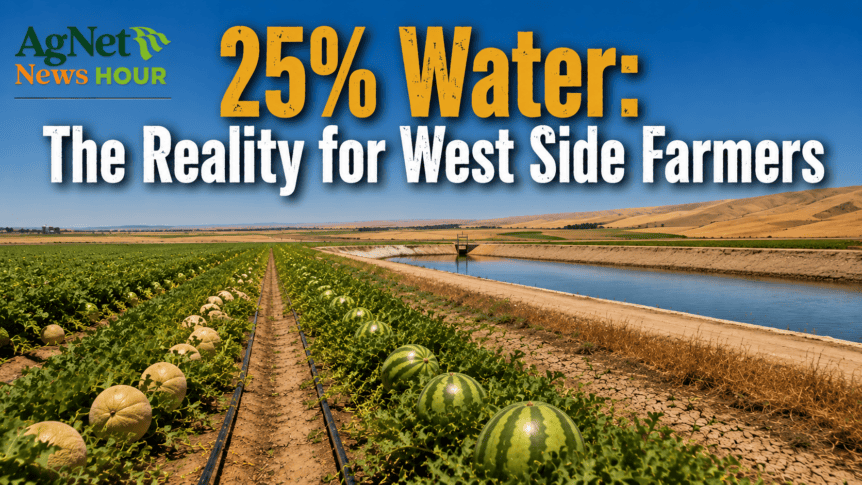
…melons, along with organic processing tomatoes and almonds. But farming those crops has become increasingly difficult. Early warm weather pushed the melon harvest into June, but later production caught up,…
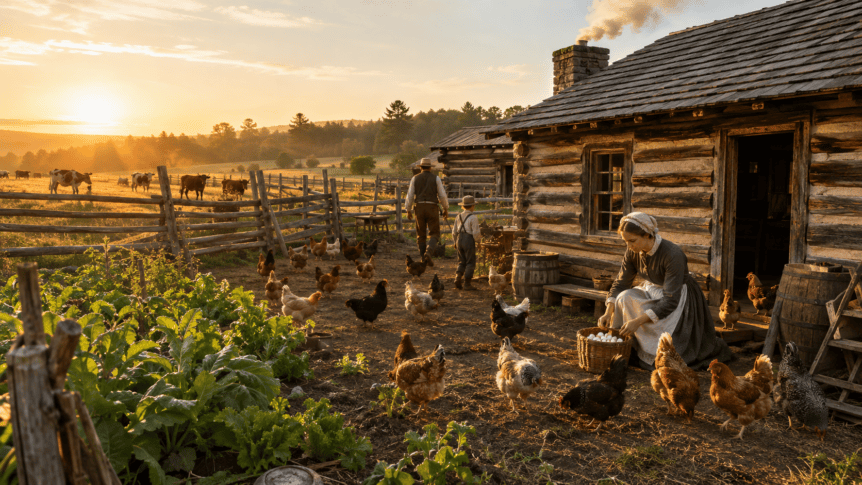
…frontier life while still benefiting from a dependable source of food and income. Backyard Chickens Make a Modern Comeback Although commercial poultry production has transformed the industry over the past…
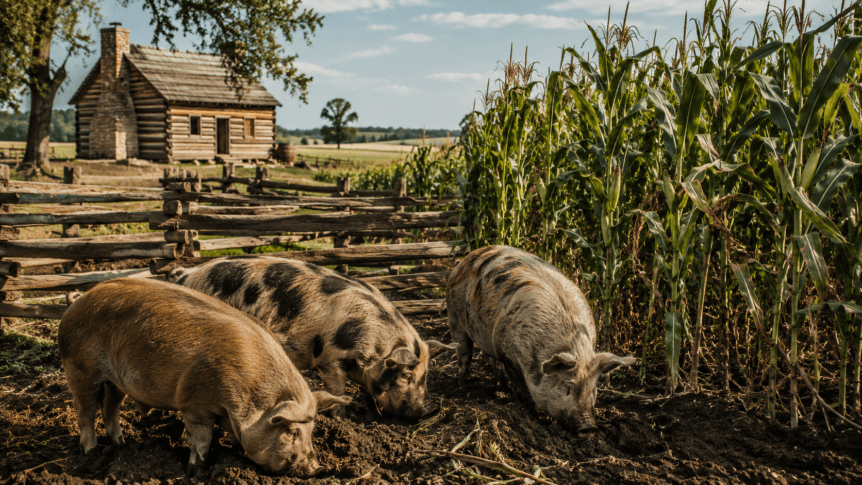
…family lived The landscape reflected the realities of frontier agriculture, where farmers relied on hard work, livestock, and diversified production to support their households. The Rise of Corn Farming Only…