








Joe Del Bosque: A Farmer’s View of California Agriculture
California agriculture is facing a complicated combination of extreme weather, water shortages, labor challenges, rising costs, regulations and uncertain markets. Few farmers understand those challenges better than Joe Del Bosque of Del Bosque Farms, who farms nearly 2,000 acres on California’s West Side near Firebaugh and Los Banos.
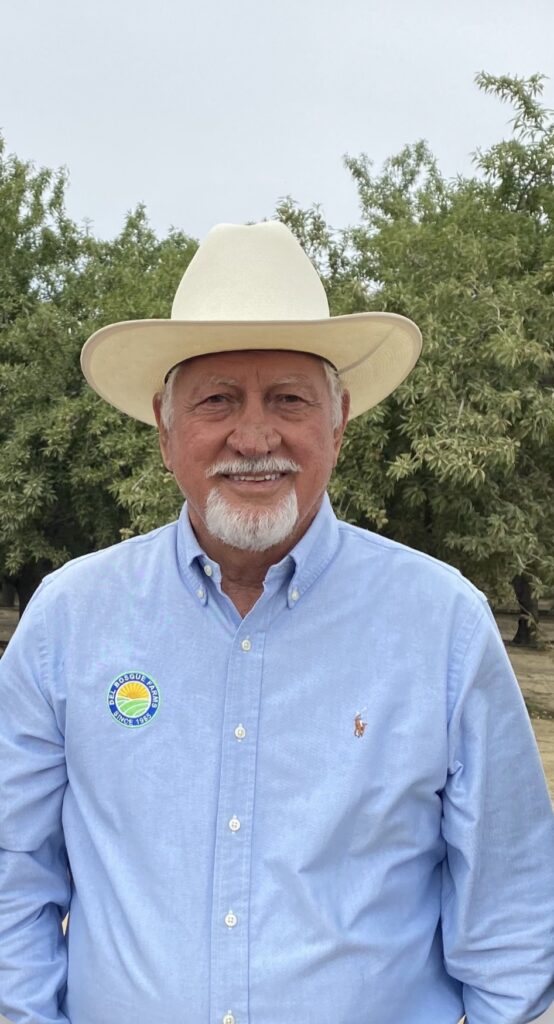
In a wide-ranging interview with “The Ag Meter” Nick Papagni, Del Bosque discussed everything from this year’s melon crop and a 25% water allocation to immigration reform, agricultural technology, SGMA and the future of family farming.
The full interview offers an insightful look at what it takes to keep a California farm operating in an increasingly challenging environment.
Extreme Heat and a Difficult Melon Market
An unusually warm March pushed Del Bosque Farms into melon production early, allowing the operation to begin harvesting in mid-June. However, later production from other growers eventually created a bunching of melons in July, putting pressure on the market.
Del Bosque said the melon industry has struggled since then.
Extreme August heat has created another challenge. Temperatures above 105 degrees can stress melons and increase the risk of sunburn. Fortunately, Del Bosque Farms converted to drip irrigation about 25 years ago, allowing the operation to quickly provide water to crops after harvest and during periods of intense heat.
The farm has experienced some sunburn losses, but Del Bosque remains hopeful the extreme heat will not last as long or become as severe as predicted.
Protecting Workers in Extreme Heat
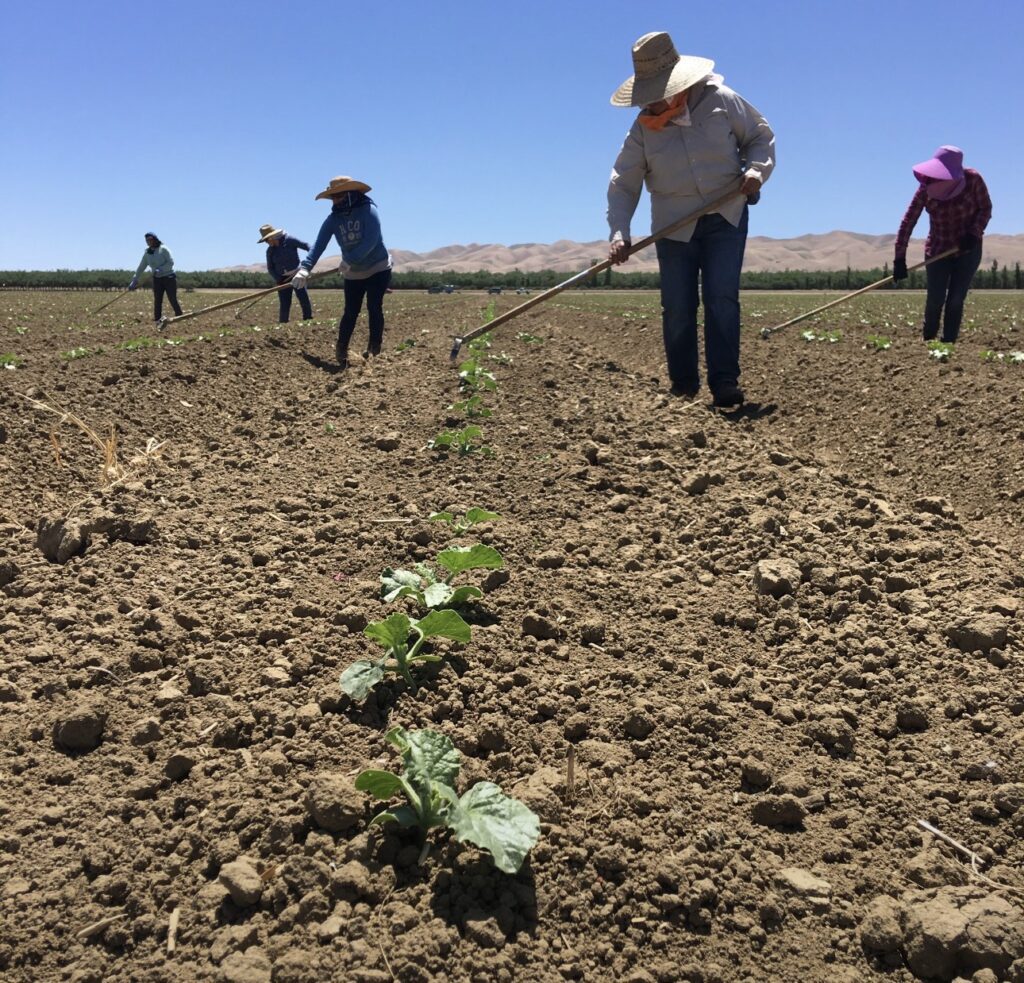
Melon harvesting remains highly labor intensive, but Del Bosque said his farm has been able to maintain a reliable workforce.
Crews begin work as early as possible, with the goal of finishing by approximately 2:00 or 2:30 p.m. before the hottest part of the day. Workers have access to cold water, shade and regular breaks.
Many employees return year after year, giving the operation experienced crews who understand the demands of the work.
Del Bosque said the farm has increasingly relied on local labor rather than workers who previously traveled from Mexico and then returned home. Creating a workplace where employees are satisfied has become an important part of retaining those crews.
From Migrant Farm Worker to Farm Owner
Del Bosque’s own story is one of the most compelling parts of the interview.
His family traveled from the Imperial Valley to the San Joaquin Valley during the 1930s and 1940s to work the melon and cantaloupe harvest. Eventually, his father was offered a permanent position growing and harvesting melons, and the family remained in the Valley in the early 1950s.
Del Bosque grew up on the farm and learned the business from his father. He began farming independently in 1985, starting with cantaloupes.
He also understands the physical demands placed on farm workers because he experienced them himself. At about 10 years old, he worked alongside crews picking cantaloupes. In those days, workers carried melons in sacks that could weigh as much as 70 pounds.
That early experience shaped Del Bosque’s respect for agricultural workers and continues to influence how he manages his operation.
Water Is Still the West Side’s Biggest Challenge
For Del Bosque, water remains the biggest issue facing West Side agriculture.
This year, his farm received only a 25% water supply allocation, forcing the operation to purchase supplemental water from other districts. That water can be extremely expensive, but Del Bosque said it is necessary to keep the melon program operating and maintain permanent crops such as almonds.
Del Bosque also warned that the long-term effects of the Sustainable Groundwater Management Act (SGMA) could become a major challenge for the Valley.
He believes capturing more stormwater and using it to recharge depleted groundwater basins could help mitigate some of SGMA’s impacts.
Immigration and the Need for a Reliable Farm Workforce
Immigration was another major focus of the conversation.
Del Bosque supports creating a more reliable legal workforce for agriculture while also addressing border security and criminal activity. He said some of his employees have waited 15 or 20 years to obtain legal status.
His position is that many agricultural workers are seeking legal status so they can work, support their families and live without constant fear of deportation—not necessarily immediate citizenship.
He referenced the Farm Workforce Modernization Act and the Dignity Act as potential approaches, while emphasizing that agriculture needs policymakers to understand the industry’s unique workforce requirements.
California Agriculture Needs Solutions, Not More Division
Del Bosque said farmers must be willing to work with whoever holds political office.
He prefers bringing lawmakers directly to the farm so they can see firsthand how crops are grown, harvested and marketed.
That approach extends to the state’s major issues, including water, labor and regulation. Del Bosque believes California and federal leaders need to put politics aside and listen to agricultural producers.
He also stressed that California grows specialty crops that cannot easily be produced elsewhere, making the state’s agricultural industry important to national food security.
Technology Is Changing Agriculture
Agriculture has changed dramatically since Del Bosque began farming in 1985.
Drip irrigation, improved varieties, weed-control technology and highly sophisticated packing houses have transformed production. Packing facilities can now sort produce by characteristics such as size and color.
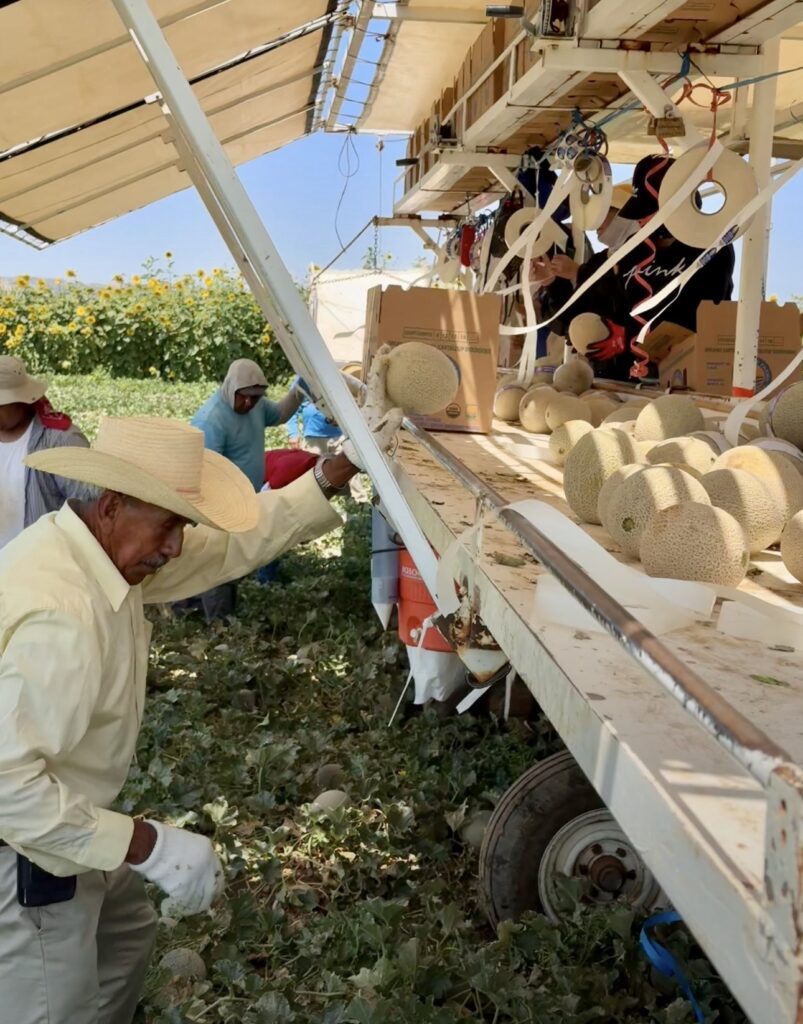
But Del Bosque believes the human hand remains difficult to replace when harvesting delicate specialty crops.
He also sees an important role for the next generation. More children of farm workers are studying agriculture at Fresno State and could return to the industry as ranch managers, pest-control advisors, human resources professionals or even farmers.
As automation, drones and advanced equipment expand, Del Bosque expects farms will need more college-educated employees who understand the technology.
Looking Ahead to the Fall
Del Bosque said the melon crop looks good, while tomatoes appear strong even though they are unlikely to match last year’s bumper crop. The bigger concern is market strength.
The farm is already looking toward next year, constantly searching for ways to improve efficiency and control costs as wages and other expenses continue to rise.
Organic agriculture remains part of the operation, but Del Bosque said the organic market has plateaued and is particularly sensitive to economic conditions.
Listen to the Full Joe Del Bosque Interview
Del Bosque’s message to Californians is clear: West Side farmers are working to grow the food the country needs while becoming more efficient and sustainable.
California’s unique soils and climate allow growers to produce specialty crops that cannot be easily replicated elsewhere. Del Bosque encouraged consumers to support California agriculture by purchasing fruits, vegetables and nuts.
There is much more to the conversation than can be captured in a written story, including Del Bosque’s personal journey, water challenges, immigration, farm labor, technology, politics and his vision for the next generation of agriculture.
Listen to the full interview between “The Ag Meter” Nick Papagni and Joe Del Bosque to hear the farmer’s perspective directly and learn what it really takes to keep a West Side farm moving forward.
Follow Joe Del Bosque
Joe Del Bosque said listeners can follow him on Twitter/X at @JoeDelBosque or @DelBosqueFarms. Del Bosque Farms is also active on Facebook and Instagram. He remains active on social media discussing issues affecting agriculture.