









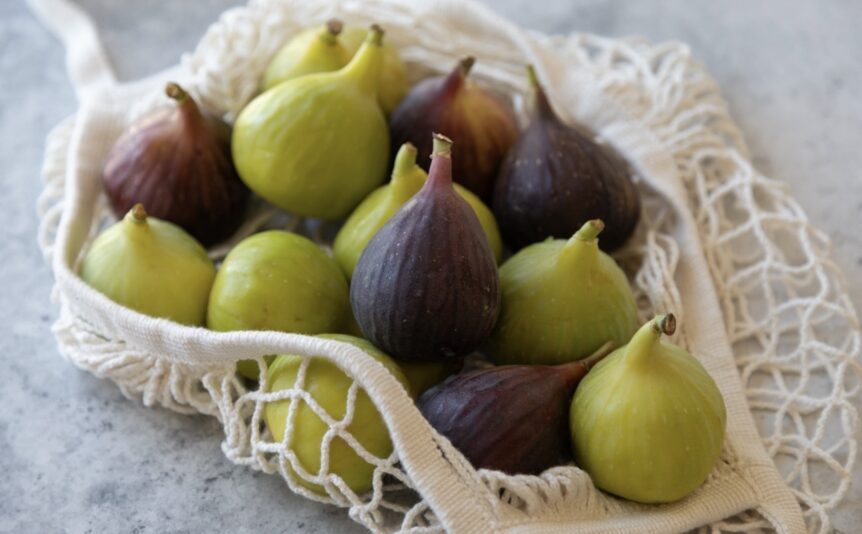
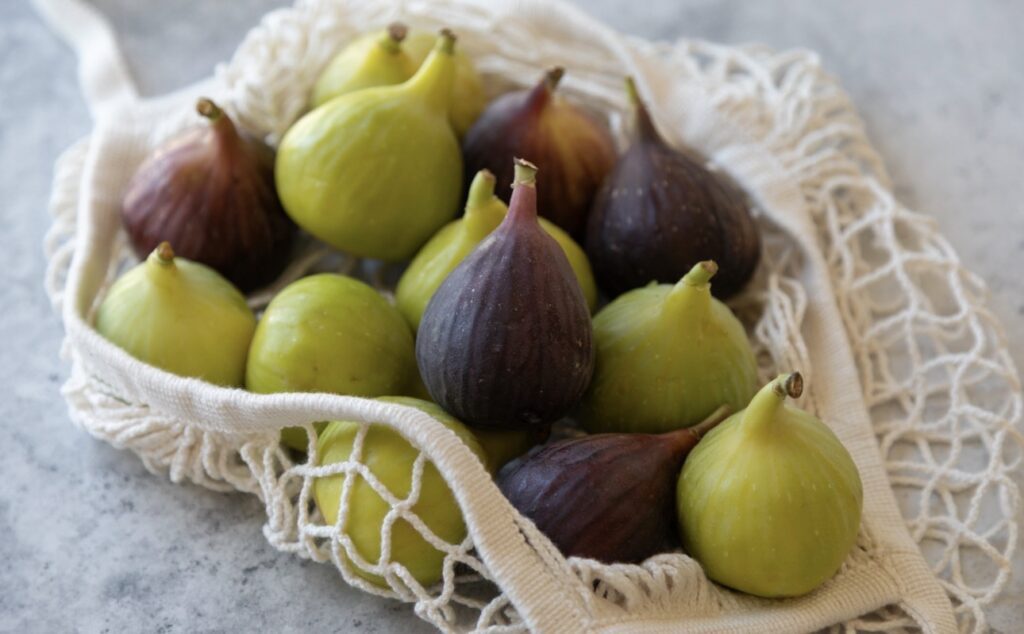
California figs are making a comeback, and the momentum is growing from Central Valley orchards to consumers around the world. “The Ag Meter” host Nick Papagni welcomed Kris Caputo, Marketing Director for the California Fig Advisory Board and California Fresh Fig Growers Association, for an in-depth conversation about fresh and dried figs, new varieties, exports, nutrition, marketing and the future of the industry.
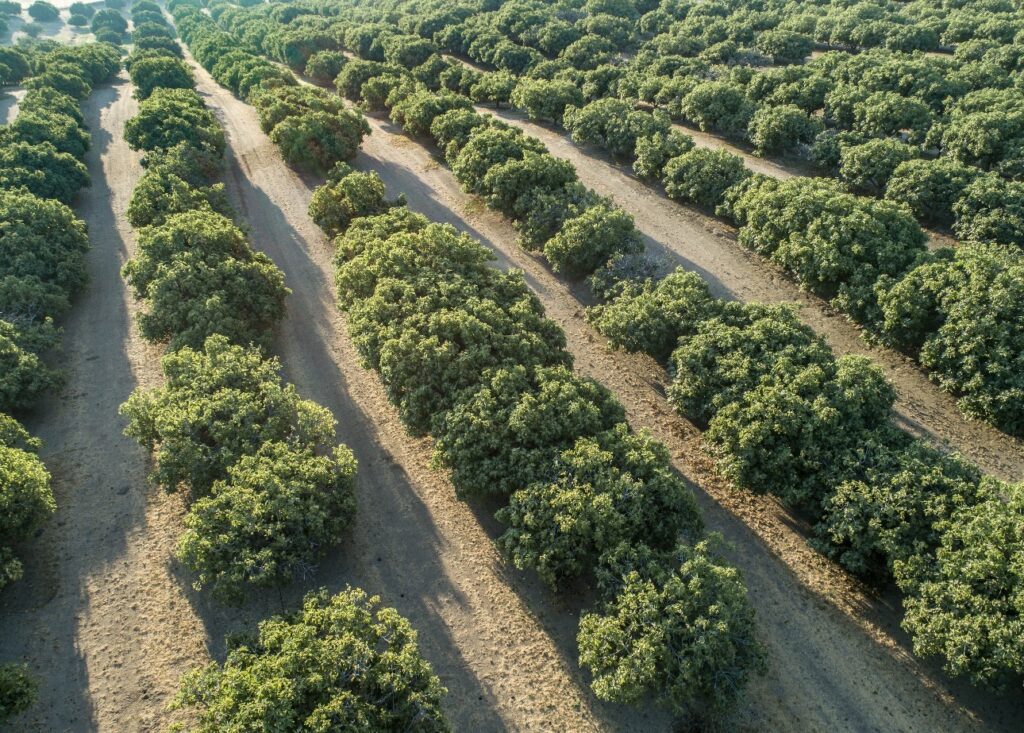
For longtime Central Valley residents, figs are more than a specialty crop—they are part of the region’s agricultural history. Papagni recalled growing up near Bullard High School in Fresno when fig orchards surrounded the area. Today, Caputo says the Central Valley remains the heart of California’s fig industry, particularly Fresno, Madera and Merced counties. California produces 100% of the commercially grown figs in the United States, with fruit also shipped to international markets.
Fresh Fig Season Is in Full Swing
California’s fresh fig season normally begins in mid-May and continues through November. This year, however, the crop got an early start after a hot March accelerated development. Caputo said growers were harvesting approximately two weeks earlier than normal and are now in the heart of the fresh fig season.
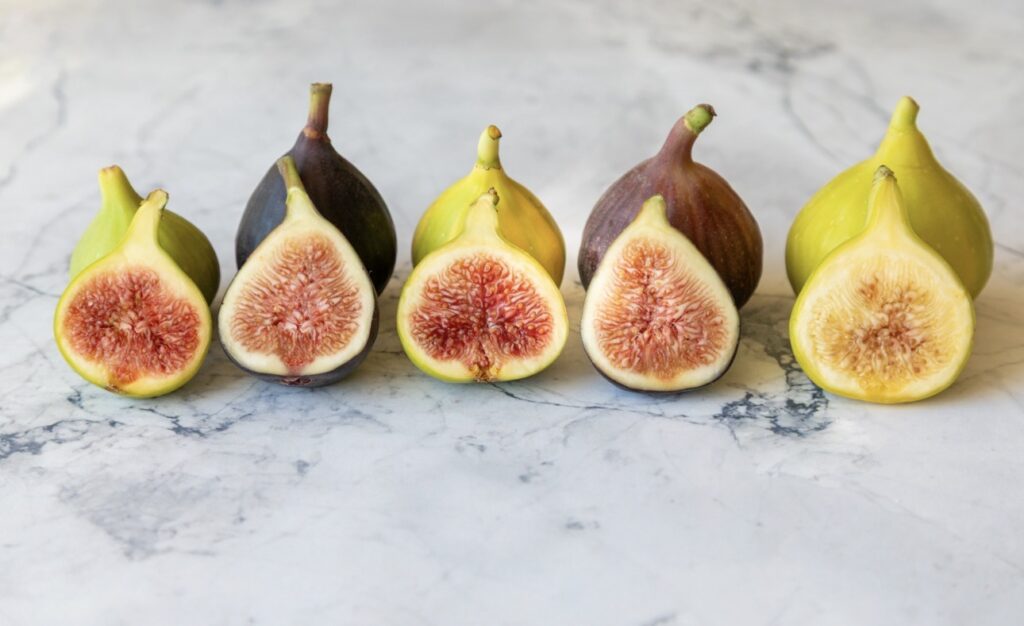
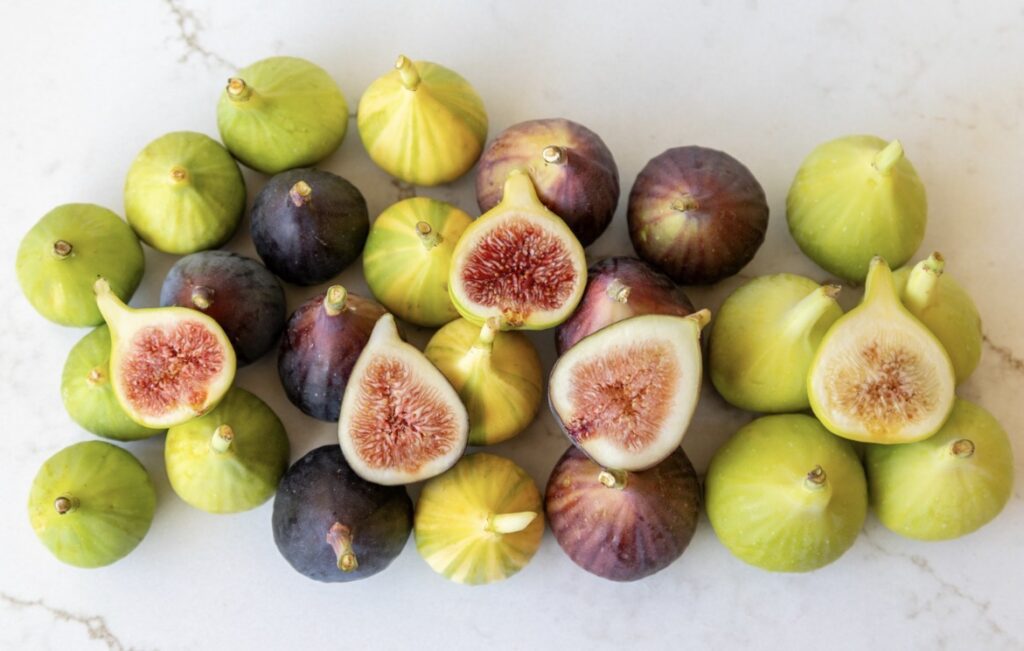
Consumers have five primary fresh varieties to explore, including Mission, Brown Turkey, Tiger Stripe, Sierra and the newer Emerald variety. Caputo said Emerald has attracted particular attention because of its large size, green color and exceptionally sweet flavor. Brown Turkey figs are also especially attractive this year, while the darker Mission fig continues to provide a distinctive California-grown option.
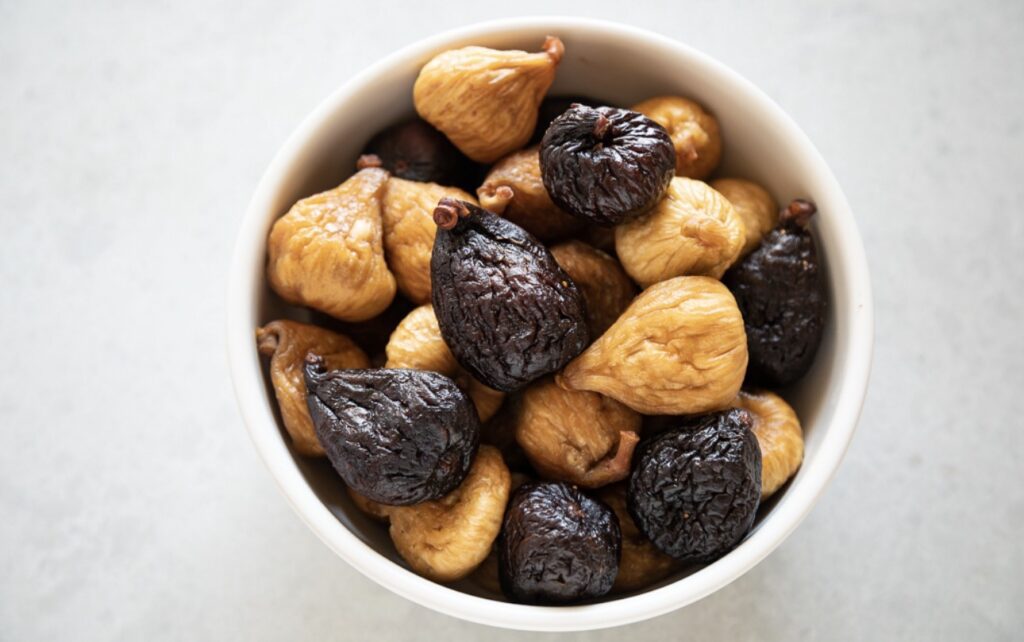
For consumers who want figs throughout the year, California also produces dried Mission and Golden figs.
A Small Industry With Growing Demand
California’s fig industry remains relatively small compared with major commodities such as raisins, prunes and table grapes. Caputo estimates approximately 9,000 acres are currently devoted to figs, with about 10 growers involved in production and roughly 100 participants when processors and marketers are included.
Production is increasing. Caputo said approximately 6,300 tons were reported in 2025, up from about 5,900 tons the previous year.
That growth is being driven by consumer demand. One of the industry’s biggest challenges is not convincing people to like figs—it’s making sure they can find them.
Caputo said consumers, particularly on the East Coast, frequently ask where they can purchase California fresh figs. Her advice is to ask local produce managers to stock more California figs. The industry is planting additional trees to help meet demand.
California Figs Reach International Markets
Exports are an important part of the industry’s strategy. Caputo estimated approximately 1,000 tons of California’s annual production are exported, representing roughly 20% of the crop.
Canada is a major destination for fresh California figs, with a significant share going to the greater Toronto area. California figs are also marketed in Japan, Southeast Asia and other international markets.
Caputo said international consumers are particularly interested in California’s Mission fig because its darker purple appearance distinguishes it from the golden-colored figs commonly associated with other producing countries.
She also emphasized California’s production standards, quality-control requirements and sustainable farming practices as important advantages for the state’s growers.
Figs Fit Today’s Health-Conscious Consumer
Marketing is increasingly focused on the nutritional and culinary versatility of figs. Caputo said figs provide fiber, potassium, calcium and antioxidants while delivering a distinctive sweet flavor.
That combination fits well with today’s interest in nutrient-dense foods and healthier snacking.
Figs are appearing in far more products than traditional Fig Newton-style cookies. Consumers can find figs in snack bars, energy balls, jams, dressings and other foods. California’s industry also promotes diced figs, fig paste and juice concentrate for food manufacturers.
Caputo’s simple marketing message is: “Fiber up with figs.”
Fresh Figs Require Care From Orchard to Kitchen
Fresh figs are delicate, which creates challenges for growers, shippers and retailers. While traditional boxes remain in use, clamshell packaging and protective egg-crate-style designs help prevent ripe figs from being damaged.
Caputo said growers face a delicate balance between harvesting figs at perfect ripeness and giving them enough shelf life to survive transportation and reach consumers in good condition.
Once consumers bring fresh figs home, Caputo recommends putting them directly into the refrigerator without washing them. Fresh figs generally last up to about seven days. They should be washed immediately before eating or cooking.
Dried figs are considerably easier to store and can last approximately six to 12 months in a cool, dark place.
From Grilled Cheese to Panna Cotta
Caputo’s favorite way to enjoy figs is pairing them with cheese. She recommends figs on charcuterie boards, pizza or even inside a grilled cheese sandwich.
She also described a fresh fig panna cotta she recently enjoyed as an unforgettable dessert.
For dried figs, she favors Mission figs with nut butter, while Golden figs pair well with caramel or chocolate. The message is clear: consumers don’t have to completely reinvent their cooking to enjoy figs. Adding fresh or dried figs to familiar recipes can create new flavor combinations.
The Calmyrna and Fig Wasp Myth
Papagni’s memories of Calmyrna figs led to another interesting part of the conversation. Caputo explained that Calmyrna was once an important commercial variety in California but has largely been replaced by newer varieties such as Emerald and Sierra.
She also addressed the common misconception that commercially grown California figs contain wasps. Some fig varieties around the world rely on fig wasps for pollination, but Caputo said commercially grown California figs are self-pollinating. Calmyrna is a wasp-pollinated variety, but that is not why the commercial industry moved toward newer varieties.
Growing the Next Generation of Fig Consumers
Caputo’s work involves educating consumers, supermarket dietitians and the broader food industry about figs. She recently participated in a conference with supermarket dietitians focused on nutrition, recipes and ways to increase fresh and dried fig consumption.
She also works with media, participates in events and promotes figs through social media at CA Figs.
Consumers can find hundreds of California fresh and dried fig recipes, photography and additional information at CaliforniaFigs.com.
Go Get Your Fig Fix
Caputo’s message to California consumers is simple: take advantage of fresh fig season through November, try the different varieties and discover a favorite. And when the fresh season ends, California dried figs offer a year-round way to enjoy the crop.
For a commodity with deep Central Valley roots, the future looks increasingly promising. Growers are planting more trees, marketers are introducing figs to new consumers, and international demand continues to provide opportunities.
Want to hear more about California figs directly from the industry’s marketing leader? Listen to the full interview with “The Ag Meter: Nick Papagni and Kris Caputo for even more insight, stories and ideas about one of California agriculture’s most distinctive specialty crops.
Learn more: CaliforniaFigs.com , Kris Caputo, Marketing Director, California Fig Advisory Board and California Fresh Fig Growers Association.