








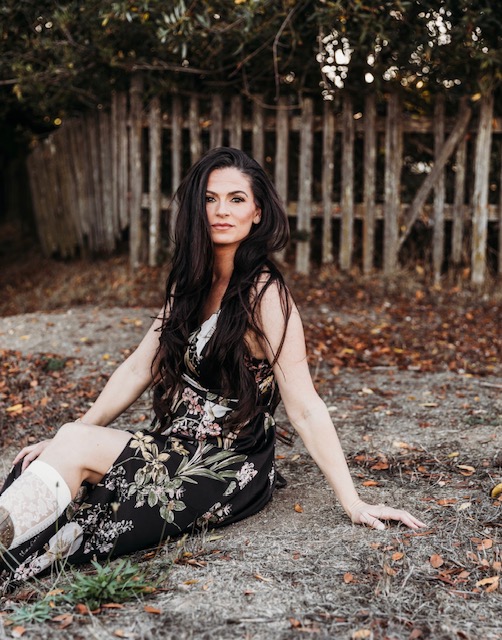
Family farmers in Northern California are sounding the alarm over what they describe as an escalating attack on agriculture, rural communities, and America’s food system. During a powerful interview with “The Ag Meter” host Nick Papagni, he sat down with fifth-generation dairy farmer Stephanie Moreda Arend of Moreda Valley Dairy to discuss the ongoing battle surrounding Point Reyes National Seashore and the future of California farming.
Moreda Arend explained that Associate Deputy Secretary of the Department of the Interior Karen Budd-Falen recently visited Point Reyes and met directly with more than 600 community members concerned about the fate of local ranches and dairies. According to Moreda Arend, Budd-Falen listened to residents for nearly three hours and is expected to help guide a federal decision later this summer regarding agriculture inside the national seashore.
Decades-Old Family Farms Forced Out
At the center of the controversy are several multi-generational family ranches that faced years of litigation from environmental nonprofit organizations. Moreda Arend argued that many of the lawsuits financially exhausted small family operations, ultimately forcing ranchers into settlements and buyouts.
“These are small farms, pasture-based, mostly organic family farms,” she explained. “Some families had been there for nearly 200 years.”
One emotional example involved the Lunny family, whose 93-year-old patriarch was born on the ranch his family was ultimately forced to leave. According to Moreda Arend, these closures affect far more than individual farmers — they impact feed mills, farm suppliers, local businesses, and the overall rural economy throughout Sonoma and Marin Counties.
Concerns Over “Lawfare” and Land Control
Throughout the interview, Moreda Arend repeatedly accused wealthy interests and environmental legal groups of using “lawfare” to remove farmers from valuable coastal land. She alleged that litigation tied to environmental claims was strategically used to pressure landowners who refused to sell their properties voluntarily.
“The idea was that they simply wanted to utilize the park for something different,” she said.
She also emphasized that there is a major distinction between environmentalists and environmental attorneys. According to Moreda Arend, most farmers work closely with environmental experts and understand the importance of protecting soil health, water quality, and sustainability because their livelihoods depend on healthy land and healthy animals.
“These organizations are environmental attorneys,” she explained. “They are using environmental lawfare to come after farmers.”
California’s Food Future at Risk
Moreda Arend warned that California agriculture is reaching a breaking point as regulations, lawsuits, rising feed costs, water concerns, and economic pressures continue mounting. She noted that thousands of farms have disappeared nationwide in recent years, while younger generations are increasingly choosing to leave agriculture behind.
“I’ve heard farmers say out loud that they tell their kids to go find something else to do,” she said.
Despite those hardships, she passionately defended the role family farms play in conservation and food production.
“Farms are good for our country. They’re good for our food system,” she said.
The dairy industry itself remains volatile. Moreda Arend explained that organic milk supplies are currently tight, while feed prices continue rising due to tariffs, droughts, farm closures, and broader economic uncertainty.
“It’s a volatile market,” she said. “You never know what next year is going to look like.”
Politics, Media, and the Fight for Agriculture
The interview also focused heavily on California politics and the importance of the 2026 governor’s race. Moreda Arend stressed that future state leaders must understand the seriousness of the agricultural crisis and actively support farming communities.
She expressed interest in hearing directly from gubernatorial candidates such as Steve Hilton and Chad Bianco regarding their plans for agriculture and rural economies.
Moreda Arend also revealed that her sister, Shelina Moreda, entered local politics because the family felt existing candidates were not adequately supporting agriculture.
Another major topic was media coverage. Moreda Arend said many Americans are beginning to question mainstream narratives and seek information from multiple sources, especially regarding agriculture and food policy.
Importantly, she emphasized that food security should never become a partisan issue.
“Food is for everyone. Everyone needs food. Everyone needs farmers,” she said.
A Passion Rooted in Generations
For Moreda Arend, the fight to preserve family farming is deeply personal. Raised on Moreda Valley Dairy, she described agriculture not simply as a career, but as a way of life deeply rooted in generations of hard work and sacrifice.
“That’s what keeps me going,” she said. “I want the next generation to have an opportunity to move forward with it if they want to.”
Listeners can follow Stephanie Moreda Arend and her advocacy efforts through her “Dairy Girl Diaries” social media platforms, where she continues raising awareness about the growing farming crisis impacting California and the nation.
The full interview between “The Ag Meter” Nick Papagni and Stephanie Moreda Arend offers an in-depth look at the ongoing Point Reyes battle, California agriculture, food security, and the future of America’s family farms. It is a must-listen for anyone concerned about the future of farming and where America’s food comes from.