









Why Beef Costs More—and Why Americans Keep Buying It
As Americans fire up their grills for summer barbecues and prepare to celebrate the nation’s 250th birthday, one question continues to dominate conversations at grocery stores and backyard cookouts: Why is beef so expensive?
On a recent episode with “The Ag Meter” Nick Papagni and Josh McGill, they sat down with one of California’s most respected meat industry experts, Darren Hill of JD Food, to discuss the forces driving today’s beef market, the challenges facing producers and restaurants, and why demand for beef remains stronger than ever.
The conversation offered a fascinating look inside an industry that affects every American consumer, from ranchers and processors to restaurants and families planning their next barbecue.
The Reality Behind Rising Beef Prices
According to Hill, the beef industry continues to face a significant cattle shortage. The U.S. cattle herd remains near historic lows while consumer demand for beef continues to climb.
At the same time, four major beef packers control approximately 85% of the nation’s beef processing capacity. With limited cattle availability and strong consumer demand, prices have continued to rise throughout the supply chain.
Yet consumers continue purchasing beef.
Why?
Hill points to the growing popularity of high-protein diets and increased awareness of protein’s health benefits. Younger generations, in particular, are building meals around protein-rich foods, helping maintain strong demand despite elevated prices.
Even premium steaks can still provide value compared to dining out. For many families, purchasing a quality steak dinner at the grocery store remains more affordable than visiting a steakhouse.
How Restaurants Are Adapting
Rising beef costs have created challenges throughout the restaurant industry, but Hill says the best operators are thriving.
Successful restaurants are finding creative ways to maintain quality while controlling costs. Instead of relying solely on expensive premium cuts, chefs are introducing customers to lesser-known beef cuts that offer outstanding flavor and tenderness.
This shift has sparked a wave of culinary innovation.
Restaurants are experimenting with new preparation methods, unique seasonings, specialty sauces, and creative presentations that transform value cuts into memorable dining experiences.
Rather than hurting the industry, Hill believes current market conditions may be creating a new era of culinary creativity.
The Story Behind the Flat Iron Steak
One example of this innovation is the Flat Iron Steak.
Hill explained how the beef industry spent years researching underutilized muscles within the beef carcass, searching for cuts that could offer consumers a premium steak experience at a more affordable price.
The result was the rebirth of the Flat Iron Steak, a cut taken from the shoulder clod that delivers exceptional tenderness and rich beef flavor.
Today, it remains one of the industry’s most successful examples of adding value through innovation and meat science.
California Beef, Prop 12, and Industry Challenges
The discussion also covered California’s unique business environment.
Hill explained that California beef remains highly desirable, but the state lacks sufficient processing capacity to meet demand. As a result, distributors like JD Food must source beef from multiple regions throughout the country.
The conversation also touched on Proposition 12 and the uncertainty surrounding potential federal efforts to modify or override portions of California’s voter-approved law.
In addition to regulations, freight costs have become one of the largest contributors to rising food prices. Every stage of the supply chain—from feedlots to processors, warehouses, distributors, restaurants, and retailers—depends on transportation.
With diesel fuel costs rising dramatically, those expenses ultimately impact consumers.
New World Screwworm and Food Safety Concerns
Hill also addressed one of agriculture’s most closely watched recent developments: the detection of New World Screwworm in a Texas calf.
While the discovery generated headlines, Hill emphasized that USDA officials acted quickly by implementing quarantines, surveillance efforts, movement restrictions, and the release of sterile male flies to prevent spread.
His message was reassuring: America’s food supply remains safe, and the livestock industry has robust systems in place to respond to emerging threats.
The interview also explored ongoing challenges related to avian influenza and its impact on poultry production, particularly within the turkey industry.
Darren Hill’s Perfect Steak Method
One of the highlights of the interview came when Hill shared his personal steak-cooking philosophy.
Forget complicated techniques.
For Hill, great steak starts with a hot fire, simple seasoning, and patience.
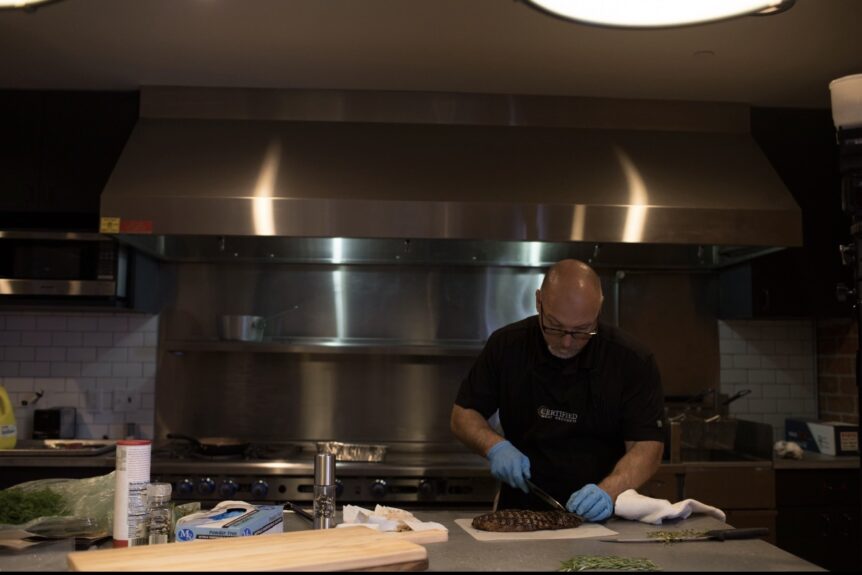
Using mesquite and hardwood charcoal, he seasons quality beef with salt, pepper, garlic, and a few carefully selected ingredients before grilling over an open flame. The result is a perfectly seared, medium-rare steak that showcases the natural flavor of the beef.
It’s the kind of practical advice backyard grillers love hearing from a professional chef.
The Ultimate Tri-Tip Master Class
No California barbecue discussion would be complete without tri-tip.
Hill explained why tri-tip prices remain elevated: there are only two tri-tips per animal, making supply inherently limited.
He then walked listeners through his complete tri-tip cooking process, including:
- Proper trimming techniques
- Seasoning recommendations
- Fire management
- Cooking temperatures
- Resting times
- Slicing methods
His approach focuses on slow cooking over mesquite and hardwood charcoal, allowing the meat to develop exceptional flavor while remaining juicy and tender.
Perhaps most surprising, Hill skips barbecue sauce entirely, preferring a rich au jus made from beef drippings to complement the meat.
Why You Need to Listen to the Full Interview
This conversation goes far beyond beef prices.
Nick Papagni, Josh McGill, and Darren Hill dive deep into everything from consumer trends and restaurant innovation to food safety, regulations, grilling techniques, and the future of America’s protein industry.
Whether you’re a rancher, restaurant owner, grocery buyer, backyard pitmaster, or simply someone who enjoys a great steak, this episode delivers valuable insights and practical knowledge from one of California’s most experienced meat industry professionals.
For anyone who loves agriculture, food, and barbecue, this is an interview you won’t want to miss.