









Legacy, Marketing, and Consumer Trends Will Determine the Future of California Wine
For California’s wine industry, the road to recovery won’t be quick—but it is possible.
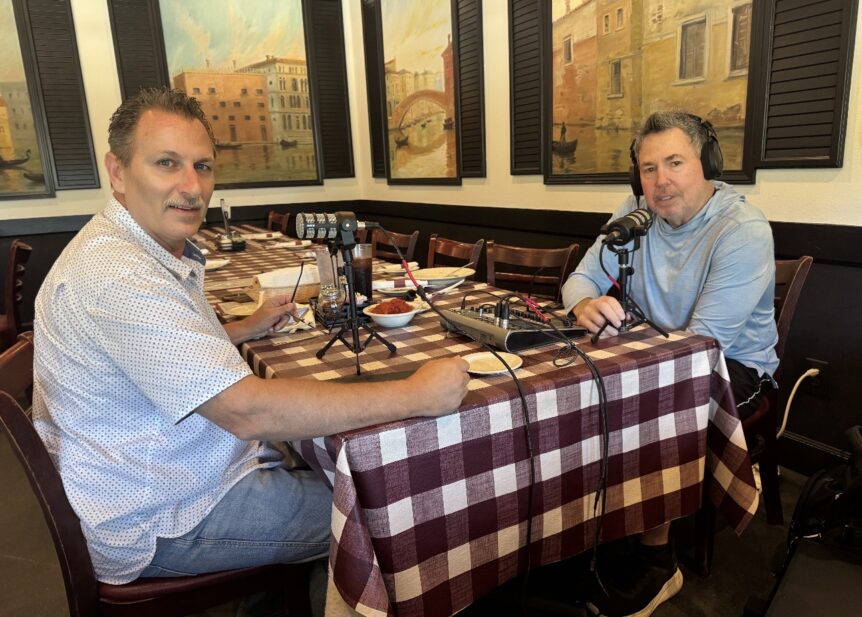
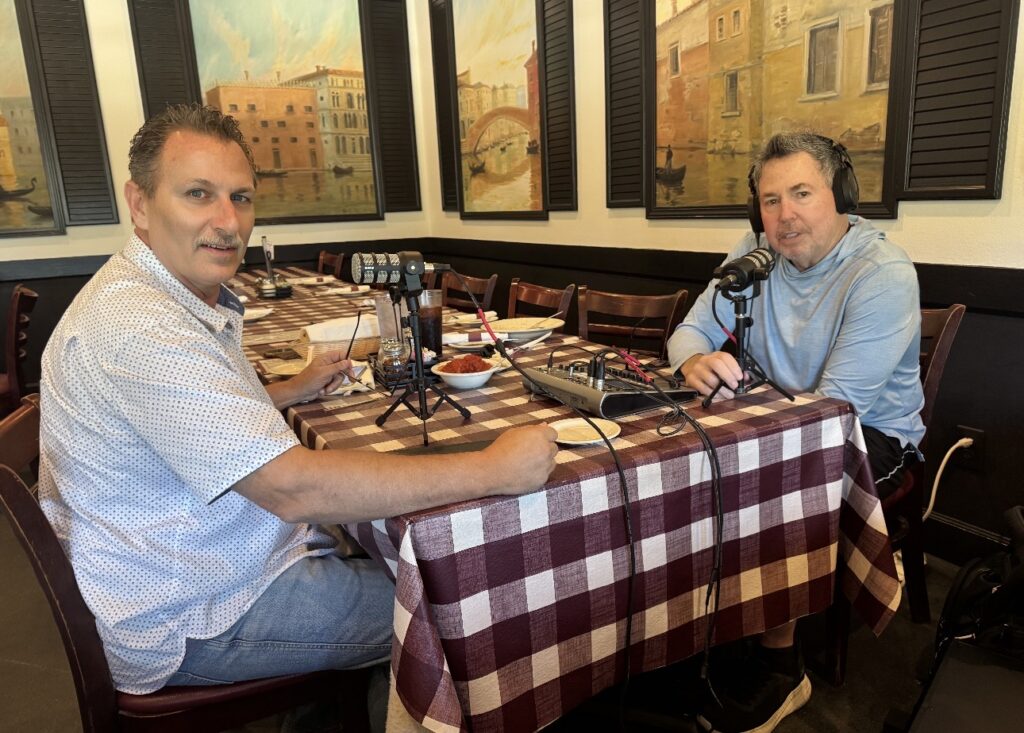
That was the message from internationally respected wine consultant Nicholas “Nick” Karavidas during an in-depth conversation with “The Ag Meter” Nick Papagni, where the two discussed everything from oversupply and vineyard removals to consumer trends, marketing, water, technology, and the future of family-owned wineries.
With more than 45 years in the wine industry, Karavidas believes California is experiencing the most difficult economic period he has witnessed. Yet he also sees tremendous opportunity for those willing to think beyond today’s challenges and build for the next generation.
The Industry Has Hit Bottom—Now Comes the Recovery
Karavidas says California’s wine industry has likely reached its economic low, but growers and wineries should prepare for another two to three years of difficult market conditions before a meaningful rebound begins.
Rather than viewing this period as a time to retreat, he believes it is an opportunity to rethink business strategies, consolidate operations, improve efficiency, invest in vineyard properties, and embrace new technologies.
“This is the time to reorganize,” he explained, noting that businesses willing to adapt today will be positioned much better when the market eventually recovers.
A Career Built on Four Decades of Experience
Karavidas’ journey into wine began immediately after high school when his family moved from Southern California to the Cucamonga Valley. At just 18 years old, he accepted a cellar position at Brookside Winery, then a Gallo-owned facility.
Nearly 46 harvests later, he has become one of the industry’s most respected consultants, advising wineries throughout California and internationally on production, branding, consumer trends, and long-term strategy.
Think Like a Cork Oak Farmer
One of Karavidas’ most compelling messages centered on his Global Wine Vision 2035, a philosophy encouraging the industry to think decades—not months—ahead.
He compares California’s wine industry to Portuguese cork oak farmers, who plant trees knowing the first usable cork harvest won’t occur for approximately 36 years.
Those growers are planting for grandchildren, not quarterly earnings.
Karavidas believes California’s wine industry must embrace that same long-term mindset if it hopes to remain competitive for future generations.
The Next Generation Drinks Differently
Consumer behavior has changed dramatically.
Today’s young adults have more beverage choices than ever before, including craft beer, ready-to-drink cocktails, flavored malt beverages, hard seltzers, hemp products, THC beverages, and countless other alternatives competing for attention.
Karavidas says wineries must stop assuming younger consumers make purchasing decisions based on appellations, family history, or technical wine terminology.
Instead, they are looking for products that are:
- Fun
- Approachable
- Convenient
- Social
- Experience-driven
He believes the industry should reduce wine’s intimidation factor and market it as part of an enjoyable lifestyle rather than an exclusive luxury product.
Marketing Must Become Smarter
One of Karavidas’ strongest criticisms is that too much of the wine industry still waits for outside events to revive wine consumption.
Rather than hoping for another “French Paradox” moment or government assistance, wineries need to become significantly better marketers.
Modern wineries now have access to customer data, digital marketing tools, consumer analytics, and proven direct-to-consumer strategies that simply did not exist twenty years ago.
Success will increasingly depend upon understanding exactly who consumers are, what motivates them, and how wineries can meet those expectations.
Was California Really Oversupplied?
Karavidas challenges one of the industry’s most common assumptions.
He argues California itself was not fundamentally oversupplied with wine grapes.
Instead, California became caught in a global wine oversupply, as wine-producing regions worldwide flooded international markets with excess production while simultaneously lowering prices to move inventory.
According to Karavidas, California has responded aggressively by removing vineyards, perhaps even too aggressively in some regions.
While some older or less productive vineyards were ready to be retired, he believes excessive vineyard removals could ultimately strengthen foreign competitors while weakening California’s domestic production base.
Domestic Strength Comes First
Karavidas repeatedly emphasized that California cannot become a strong global wine competitor without first rebuilding its domestic market.
Imports continue occupying roughly 40 percent of American wine shelves, creating enormous competition for California producers.
Although imported wines have lowered prices in response to tariffs and worldwide oversupply, Karavidas believes California’s priority should remain strengthening American wine demand before focusing on international expansion.
Water, Labor and Technology Will Shape the Future
Like every sector of California agriculture, wine growers continue facing enormous pressure from:
- Water availability
- Labor shortages
- Rising production costs
- Government regulation
- Automation needs
- Robotics and new technologies
Karavidas believes successful growers will be those who carefully manage natural resources while embracing technology that improves efficiency without sacrificing quality.
Family Legacy Remains One of Agriculture’s Biggest Challenges
Beyond economics, one of the interview’s most emotional discussions focused on family succession.
Many growers tell Papagni their children simply do not want the difficult lifestyle agriculture often requires.
Karavidas understands those concerns.
Drawing from work he conducted through the USC Marshall School of Business Family Business Center, he discussed what he calls Legacy Bridging—helping families preserve agricultural operations until younger generations are ready to appreciate the opportunity.
He compared it to children who later wish they had continued piano lessons or regret that the family ranch was sold before they realized what it truly meant.
Sometimes preserving a legacy simply means buying enough time for the next generation to discover its passion.
Consolidation Will Continue
Karavidas believes today’s market naturally favors larger companies capable of making long-term investments.
If he were operating a large winery today, he says he would be actively purchasing brands and expanding production capacity.
Although land remains expensive, winery equipment and infrastructure can currently be acquired at historically attractive prices, creating opportunities for businesses positioned to invest.
A Message to California’s Wine Growers
Karavidas closed the interview with a message of encouragement.
For those committed to the wine industry, he urges patience.
Whenever financially possible, growers should preserve healthy vineyards rather than abandon or remove them prematurely.
Those who can navigate the next two to three years, he believes, may be rewarded as the market gradually recovers over the next decade.
His advice is simple:
Stay committed. Stay patient. Build for the future.
Connect with Nicholas “Nick” Karavidas
Wine industry professionals interested in following Karavidas’ market analysis, newsletters, and consulting services can reach him through:
Email: Nick@ConsultingWine.com
Websites:
LinkedIn: Nicholas Karavidas
Phone: (707) 804-2718
Listen to the Full Interview
This article highlights only a portion of the wide-ranging conversation between “The Ag Meter” Nick Papagni and internationally recognized wine consultant Nicholas “Nick” Karavidas.
The complete interview dives even deeper into California’s wine oversupply, global competition, vineyard economics, direct-to-consumer marketing, succession planning, consumer behavior, natural resource management, and what the industry must do to ensure long-term success.
Whether you’re a grape grower, winery owner, wine marketer, or simply interested in the future of California agriculture, this is an interview you won’t want to miss.