








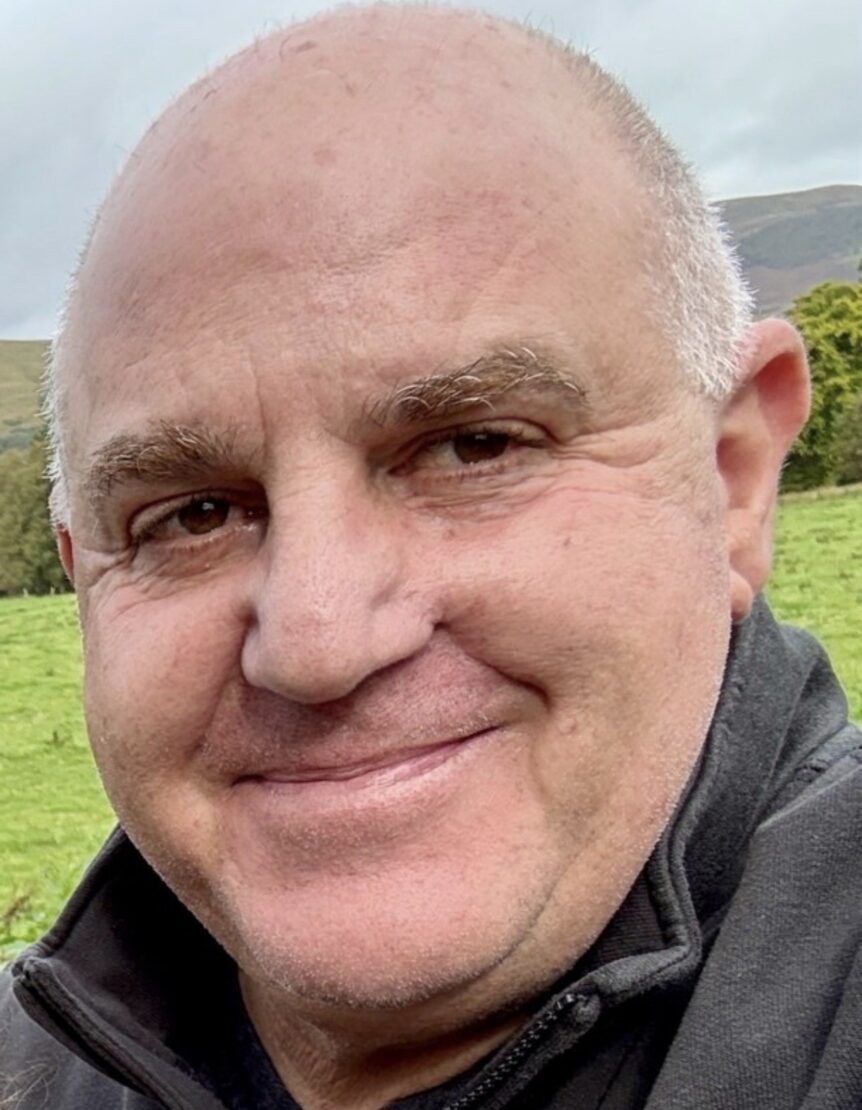
California agriculture is facing one of the most challenging and transformational periods in its history — and few people understand that reality better than Stephen Paul of Homegrown Organic Farms.
In a passionate and wide-ranging interview with “The Ag Meter” Nick Papagni, Paul delivered an unfiltered look at the issues impacting growers across the San Joaquin Valley and beyond, including labor shortages, water policy failures, organic farming challenges, food processing closures, regenerative agriculture, and the future of healthy food production in America.
As Category Director for Homegrown Organic Farms and a fourth-generation California farmer, Paul brought decades of firsthand experience to the discussion while also offering a strong defense of the American farmer.
A Century of Farming Experience
Paul’s family farming roots date back to 1904, with his family helping pioneer permanent crop production in Madera County during the mid-20th century. Over the years, he has worked across every aspect of agriculture — from farming operations and accounting to marketing and logistics.
Today, he oversees 16 commodities for Homegrown Organic Farms, including stone fruit, blueberries, figs, citrus, and specialty crops.
Throughout the interview, Paul repeatedly emphasized that agriculture remains one of the most misunderstood industries in America despite its critical role in feeding the nation.
“You have an industry that is less than 1% that has 100% impact of what people are eating,” Paul told Papagni during the interview.
Labor, Water, and Regulation Continue to Pressure Growers
One of the interview’s central themes focused on the mounting pressure California farmers face daily. Paul described ongoing struggles involving labor instability, government regulations, rising operational costs, and water shortages.
He explained that growers often invest heavily in worker protections, safety standards, healthcare benefits, and fair wages — only to face labor shortages when crews move between farms chasing slightly higher pay offers.
Paul also criticized California’s long-running water management failures, arguing the state continues missing opportunities to capture runoff and snowmelt through expanded reservoir infrastructure.
“We had the rainfall. We had the snowfall,” Paul explained. “The failure to manage water in a prudent way is still leading us to the same problem again and again.”
According to Paul, these ongoing policies are pushing farmland out of production while threatening the long-term sustainability of domestic food production.
The Push for Healthier Food and Organic Growth
The interview also explored the growing national movement toward healthier food products and organic agriculture, including discussion surrounding “Make America Healthy Again” initiatives and consumer demand for cleaner ingredients.
Paul believes consumers increasingly want transparency about how their food is grown, processed, and marketed. However, he questioned whether large food corporations are moving quickly enough to develop healthier snack products and more natural processed foods.
He also highlighted how regenerative organic farming practices are reshaping the future of agriculture at Homegrown Organic Farms.
The company’s stone fruit program is now fully regenerative organic certified (ROC), focusing heavily on soil health, microbial activity, carbon sequestration, and long-term sustainability.
“What we’re doing for the soil and the results that we’re getting out of it are amazing,” Paul said.
At the same time, he acknowledged that regenerative organic farming comes with increased production costs and new challenges involving pests, birds, and labor-intensive farming methods.
Blueberries, Global Markets, and a Shortened Season
Paul also discussed California’s unusually early 2026 blueberry season, driven by extreme spring heat and unpredictable weather patterns. Despite the early start, he said California growers have produced some of the best blueberries seen in years.
However, he warned that accelerated harvest timing could create shorter supply windows later in the season.
The conversation also touched on global agriculture, including berry imports from Mexico and Peru, South Africa’s emerging stone fruit industry, and ongoing logistical issues impacting international shipping.
Still, Paul emphasized that agriculture’s biggest challenges remain universal.
“Labor still seems to be a problem at all points. Weather still seems to be a problem at all points,” he said.
Farmers Need a Stronger Voice
One of the interview’s most powerful moments came when Paul defended America’s farming families and called for more practical, business-minded leaders in government.
According to Paul, farmers are natural problem-solvers who understand adaptation, efficiency, and responsibility because they live those realities every day.
“We just want to solve problems and move forward and make sure we provide a good life for our families and those families we give jobs to,” Paul said.
He also encouraged growers to remain proud of their work despite growing criticism and political pressure.
“Look at yourself in the mirror as a grower and be proud of what you do,” Paul told listeners.
Why You Need to Hear the Full Interview
This interview goes far beyond headlines and political talking points. It delivers a raw, honest, and deeply insightful look into the future of California agriculture from someone living it every single day.
From regenerative organic farming and labor challenges to water policy, food transparency, and the future of healthy eating, Stephen Paul provides one of the most compelling agricultural conversations heard this year on “The Ag Meter.”
If you care about food, farming, California agriculture, or the future of America’s food supply, this is an interview you do not want to miss.