









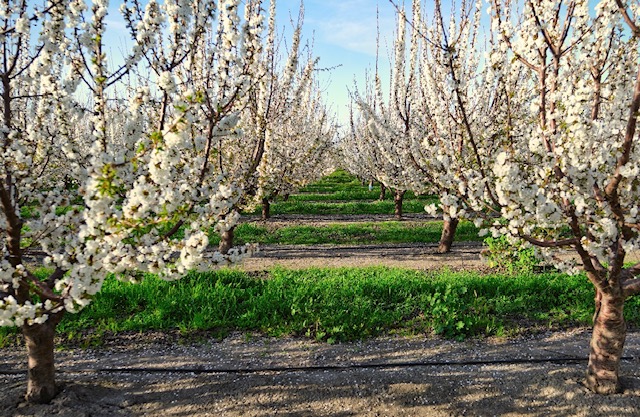
California’s cherry season is shaping up to be one of the most intriguing in recent years. In a recent interview where ”the Ag Meter” Nick Papagni, sat down with Mike Jameson of Morada Produce to break down everything from weather impacts and crop size to global markets and rising costs.
A Strong Rebound After a Tough 2025
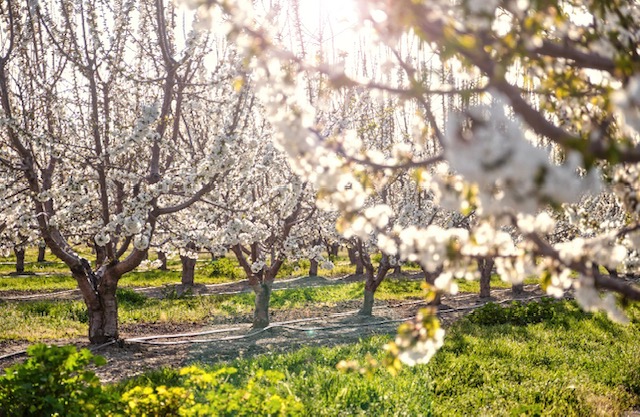
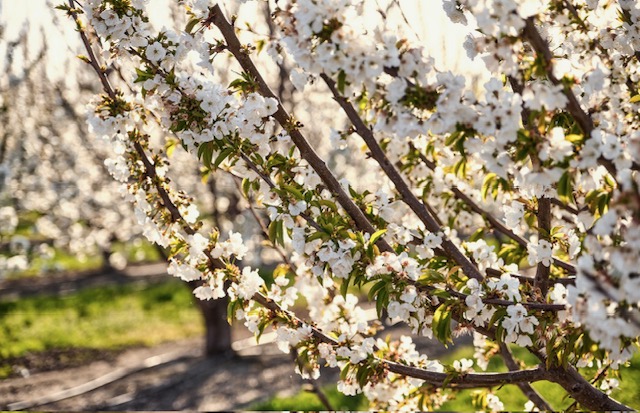
Last year was one of the most difficult seasons California cherry growers have faced in decades.
- 2023: 10.1 million cartons
- 2024: 9.4 million cartons
- 2025: 4.9 million cartons
That sharp drop created major supply shortages and drove prices higher across retail shelves. Cherries remain one of the last truly seasonal items in the produce department, making supply swings even more impactful.
Looking ahead to 2026, the outlook is much more promising.
- Projected 2026 crop: 8 to 8.5 million cartons
While not a record crop, it represents a strong recovery and brings optimism back to growers and buyers alike.
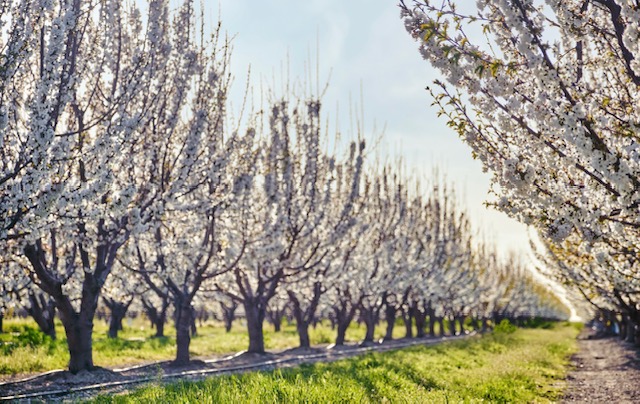
Weather Still Drives Everything
Cherry production continues to depend heavily on Mother Nature.
- Rain: Minimal impact early, but dangerous during the “straw stage” when cherries can crack
- Hail: A major threat that can damage fruit instantly
- Chill hours: Critical for proper dormancy and strong bloom
Regions across California are seeing mixed results:
- Best region: Westley–Patterson–Gustine corridor
- Average: Fresno and Stockton–Lodi–Linden
- Below expectations: Bakersfield
- Light crop: Hollister–Gilroy due to heat during bloom
Growers are even using helicopters and spray rigs to dry fruit after rain—showing just how delicate cherry production can be.
An Earlier Season Means New Opportunities
One of the biggest shifts this year is timing.
The 2026 crop is running 7–10 days earlier than normal, with:
- Volume starting around May 1
- Peak hitting May 4–5
This creates a rare opportunity to align with key retail promotions:
- Mother’s Day
- Memorial Day
But it also requires retailers to adjust quickly, shifting promotions and pricing earlier to keep fruit moving and markets stable.
Supply, Demand, and a Competitive Market
About 80% of California cherries stay in the U.S., while roughly 20% are exported.
Top export markets include:
- Canada (largest share)
- South Korea
- Japan
- Mexico
- Taiwan
However, growers face increasing pressure from:
- Rising freight costs (domestic and air cargo)
- Strong U.S. dollar impacting exports
- Higher input costs like fertilizer and labor
At the same time, produce departments have exploded from about 100 items decades ago to nearly 500 today, with thousands of global options competing for shelf space.
Technology, Labor, and the Future
The industry is rapidly evolving.
Modern cherry operations now include:
- Optical sorting systems analyzing size, color, sugar, and defects
- Hydrocooling systems to extend shelf life
- Increasing investment in AI technology
But with rising labor costs, automation is becoming more necessary—raising concerns about long-term workforce impacts.
Despite these challenges, one priority remains unchanged:
- Food Safety
- Quality
- Service
- Price
Today’s cherries are bigger, sweeter, firmer, and more consistent than ever before—thanks to both growers and advanced packing technology.
From Orchard to Consumer: A Complex Journey
Getting cherries to consumers is no small feat:
- Up to 2 weeks from harvest to consumption in U.S. markets
- Air shipments to Asia can spend 16–20 hours unrefrigerated
This requires exceptional handling, careful sorting, and strategic shipping decisions to ensure quality upon arrival.
Get in Touch with Morada Produce
For growers, buyers, or retailers looking to connect:
Morada Produce Sales Team
📞 (209) 546-1816
Mike Jameson, David Paganucci, and Doug Sankey welcome inquiries about the market, crop conditions, and opportunities.
Why This Season Matters
After a historic downturn in 2025, the 2026 cherry season represents a critical rebound for California agriculture. With a stronger crop, earlier timing, and continued innovation, the industry is positioned for a successful—yet still challenging—year.
As Jameson puts it, cherry season is like game time: fast, intense, and full of opportunity. If you want the full inside story—from boots-on-the-ground crop insights to the real challenges shaping California agriculture—don’t miss the complete conversation between “The Ag Meter” Nick Papagni, and Mike Jameson of Morada Produce. Their candid discussion dives deeper into everything from weather risks and market strategy to the future of farming and technology. It’s a must-listen for growers, buyers, and anyone who wants to truly understand what it takes to bring premium California cherries from the orchard to your table.