








USDA Announces New Funding to Combat Destructive Feral Swine
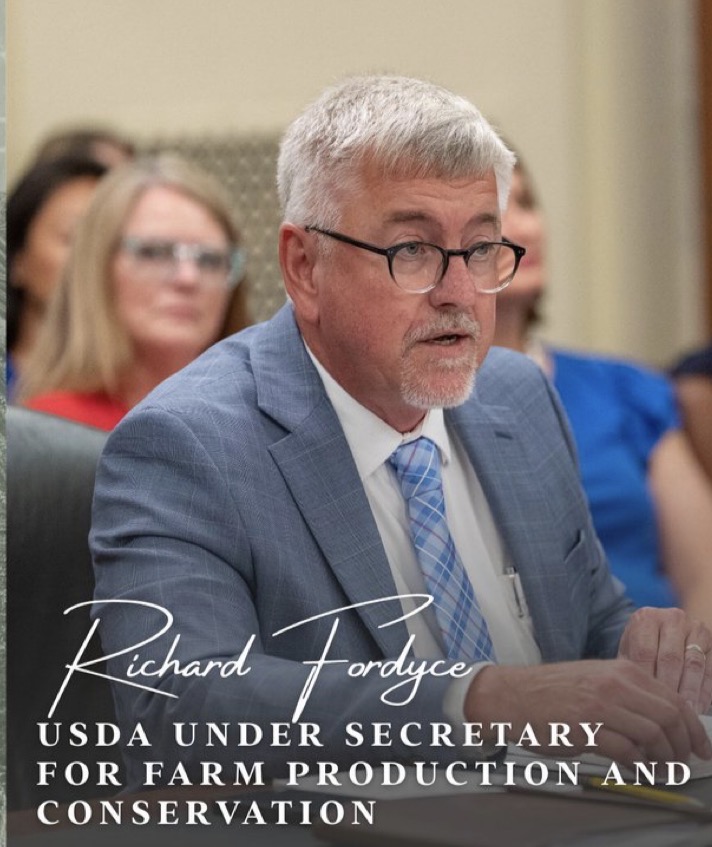
America’s farmers and ranchers continue to battle one of agriculture’s most destructive invasive species: feral swine. During a recent interview with “The Ag Meter“ Nick Papagni, USDA Undersecretary Richard Fordyce discussed the U.S. Department of Agriculture’s newly announced $35 million Feral Swine Eradication Program, designed to help landowners reduce the growing damage caused by wild hogs across the country.
Fordyce explained that while invasive species come in many forms—including plants, insects, and animals—feral swine rank among the most damaging because of their ability to rapidly reproduce and destroy virtually any landscape they inhabit.
Feral Swine Cause Extensive Agricultural Damage
According to Fordyce, feral swine do not discriminate when it comes to where they cause destruction. They damage:
- Crop fields
- Grazing lands
- Forests
- Pastures
- Natural habitats
- Water resources
Beyond physical destruction, feral hogs also pose a significant animal health risk because they can carry diseases capable of spreading to domestic livestock, including commercial swine operations.
“They really don’t care what landscape they’re destroying,” Fordyce explained. “It is imperative that we do everything we can to get rid of these things.”
USDA, NRCS and APHIS Partner on Eradication Effort
The new initiative is a joint effort between the USDA’s:
- Natural Resources Conservation Service (NRCS)
- Animal and Plant Health Inspection Service (APHIS)
The agencies are making $35 million available through competitive grants using USDA’s Notice of Funding Opportunity process.
Rather than funding individual landowners directly, USDA will award grants to qualified partner organizations that can work alongside producers to reduce feral swine populations.
Those partners may assist with:
- Landowner education
- Feral swine management planning
- Trapping operations
- Removal efforts
- Long-term mitigation strategies
APHIS will provide the technical expertise while NRCS will oversee funding and implementation of the pilot program.
Texas Remains Ground Zero, But Other States Are Also Affected
Host Nick Papagni noted that he witnessed firsthand the destruction caused by wild hogs while visiting Texas farms, describing the animals as enormous and capable of devastating entire properties overnight.
Fordyce agreed, noting that Texas remains one of the states with the largest feral swine populations. Other heavily impacted states include:
- Texas
- Arkansas
- Missouri
Although the central United States experiences the highest concentrations, Fordyce emphasized that western states, including California, also have growing populations.
Papagni pointed to feral swine problems in California’s Monterey County, Central Coast, and foothill regions, where producers have reported increasing damage.
Rapid Reproduction Makes Control Difficult
One reason feral swine are so difficult to manage is their extraordinary reproductive capacity.
Fordyce noted that feral sows produce multiple litters and reproduce rapidly, making population control increasingly difficult if infestations are not addressed early.
“We’ve really got to redouble our efforts,” he said.
Safety Concerns for Farmers
In addition to crop destruction, feral swine present safety concerns.
Large boars can develop massive tusks and become aggressive if cornered.
Fordyce cautioned producers and landowners against attempting to confront the animals directly.
“They’re probably more scared of us than we are of them,” he explained. “But if they get cornered, they’re going to fight.”
He encouraged anyone dealing with feral swine to work through USDA resources instead of handling the problem alone.
How Producers Can Participate
Fordyce encouraged farmers and landowners experiencing feral swine problems to contact their local NRCS office as the first step.
NRCS personnel can connect producers with approved partners participating in the eradication effort while APHIS provides technical leadership for removal strategies.
Organizations interested in applying for grant funding have until September 21 to submit applications through USDA’s Notice of Funding Opportunity process.
USDA Continues Listening to Farmers
Beyond the feral swine initiative, Fordyce said USDA remains focused on maintaining close relationships with producers nationwide.
Speaking from Colorado during the interview, he explained that much of his schedule involves meeting directly with farmers and ranchers to hear what USDA programs are doing well and where improvements can be made.
“We’re a farmer-first agency,” Fordyce said. “It’s important to be out talking to farmers, listening to what we’re doing that’s working and what we need to improve.”
As invasive species continue expanding across agricultural regions, USDA’s new eradication initiative aims to provide producers with additional resources to protect crops, livestock, and rural landscapes from one of agriculture’s fastest-growing threats.
To hear the complete conversation, be sure to listen to The Ag Meter with host Nick Papagni and USDA Undersecretary Richard Fordyce. In the full interview, Fordyce provides additional insight into USDA’s farmer-first approach, explains how the new $35 million Feral Swine Eradication Program will be implemented, discusses the growing threat invasive wild hogs pose to agriculture across the country, and shares why USDA continues to meet directly with farmers and ranchers to better serve rural America. Don’t miss this informative interview for a deeper look at one of the latest federal efforts to protect U.S. agriculture.