
…both current technologies and emerging concepts from startups and industry leaders like Reservoir Farms. Attendees will have a chance to see firsthand how technology is shaping the future of organic…

 |  |  |  |  |  |  |  |  |
Below you'll see everything we could locate for your search of “Farms”
…both current technologies and emerging concepts from startups and industry leaders like Reservoir Farms. Attendees will have a chance to see firsthand how technology is shaping the future of organic…

…distribution, and land value in profound ways. Farms Triple in Just 50 Years One of the most striking indicators of this transformation was the rapid multiplication of farms across the…
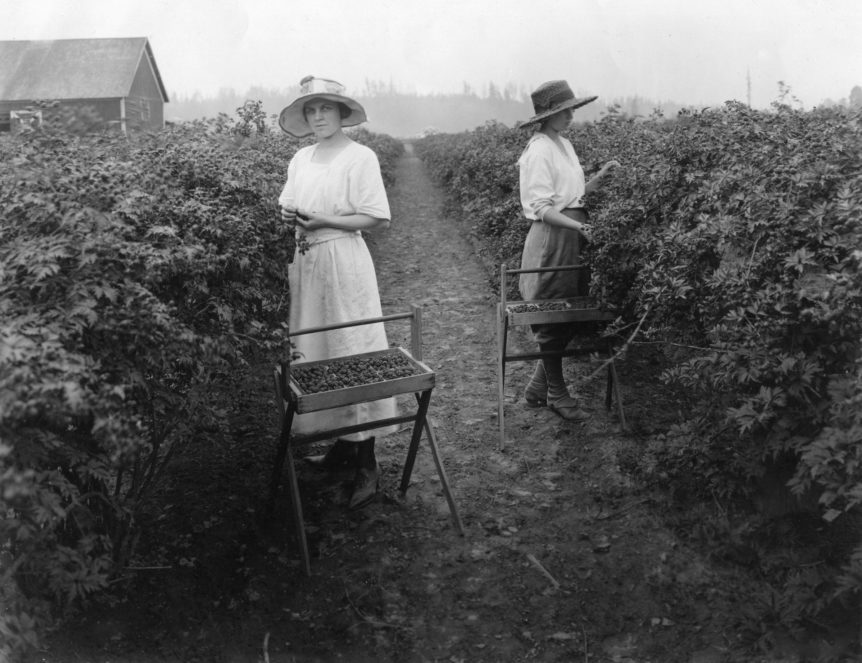
Women on the Homefront: How the Civil War Transformed American Agriculture Photo by The Oregon State University Collections and Archives on Unsplash A Nation at War and Farms in Transition…
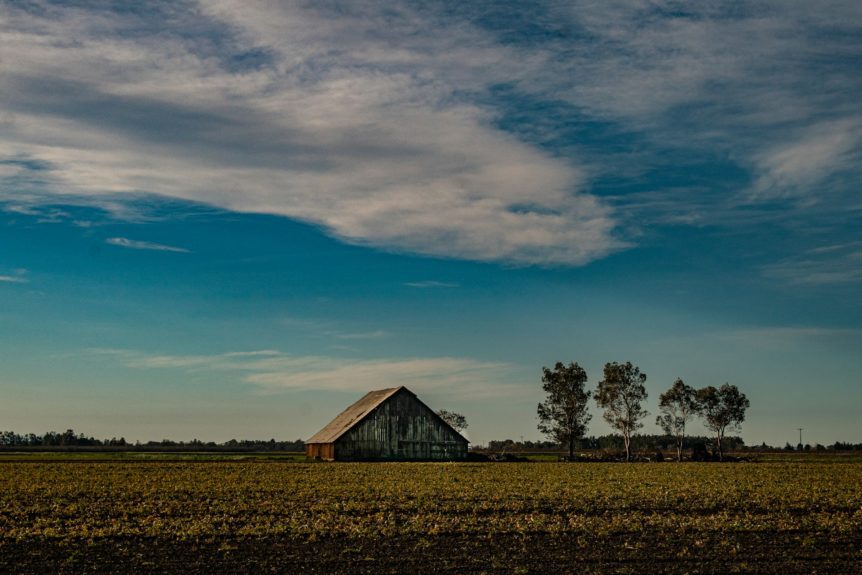
…self-sufficiency remained the defining feature of American farming. Most farms were designed to feed the family first, with any surplus sold or traded nearby. Westward Expansion Opens the Door to…
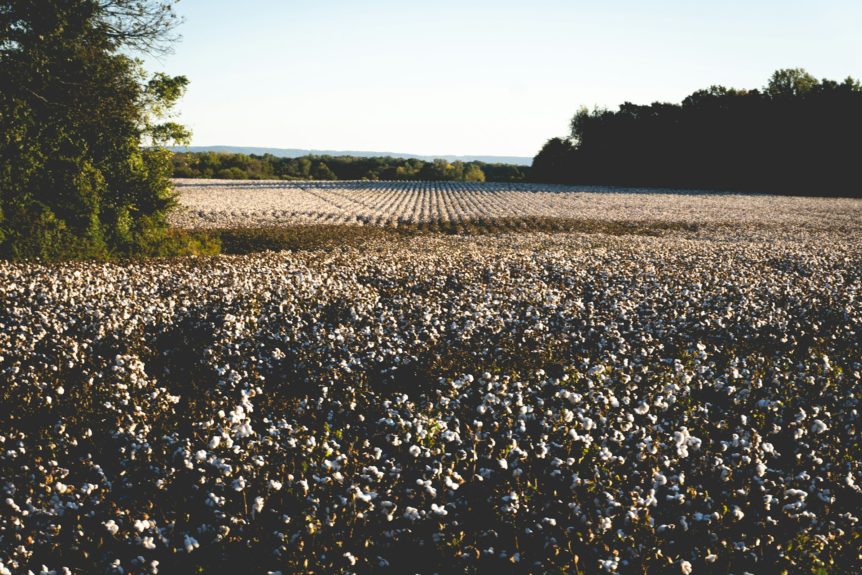
…large-scale, export-oriented agriculture. Despite the disparities, all farms—large and small—produced food for their own consumption. Yet, the South’s most profitable focus was on a select few cash crops that found…
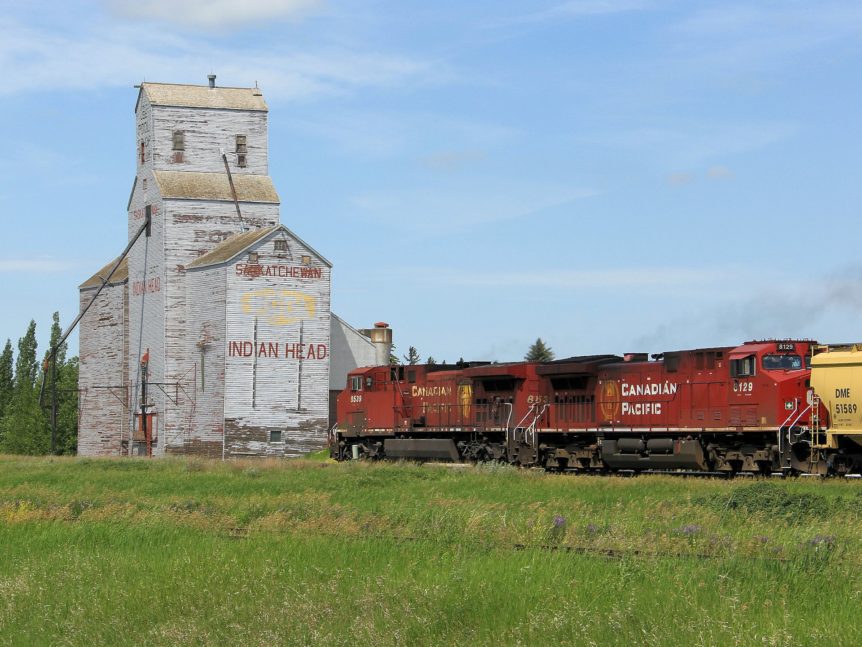
…Homestead Act of 1862 offered 160-acre tracts of land to settlers at little to no cost. About 400,000 families took advantage of the program, building farms, towns, and livelihoods in…
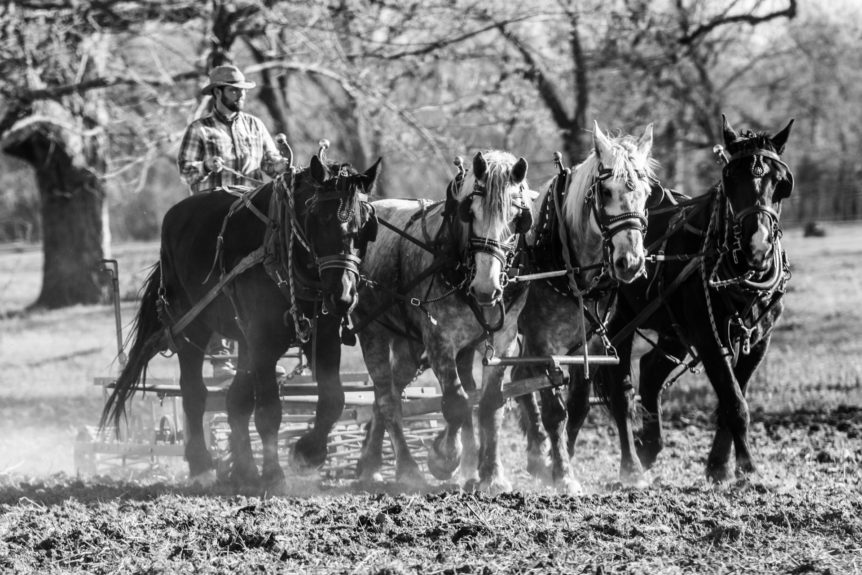
…that fertility was exhausted, rather than restore the land, they sold their depleted farms and moved farther west—starting the cycle all over again. This pattern of depletion and migration spread…

…high and high school students Ference underscored how essential it is for young people to understand where food comes from and what modern agriculture looks like. Today’s farms depend on…
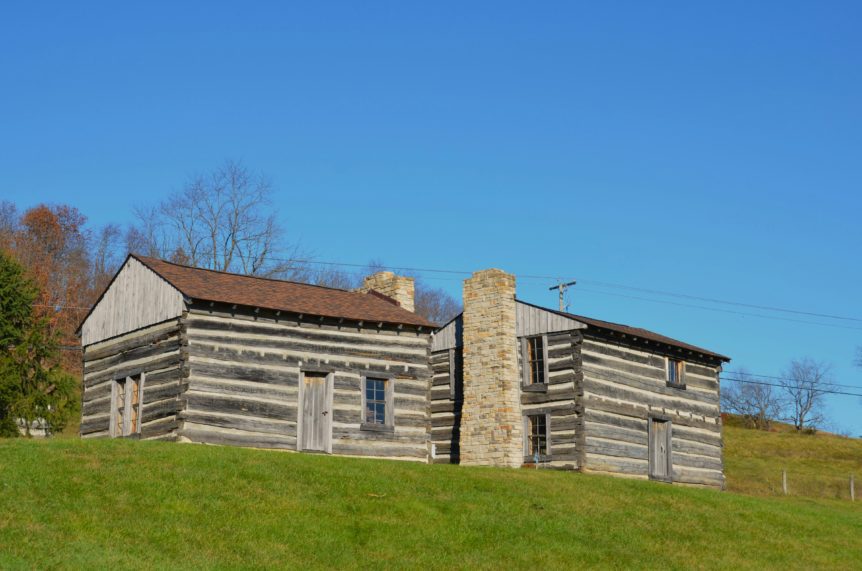
…The Homestead Act transformed the American countryside. It spurred the rise of thousands of family farms across the Great Plains and Midwest, laying the foundation for the nation’s modern agricultural…
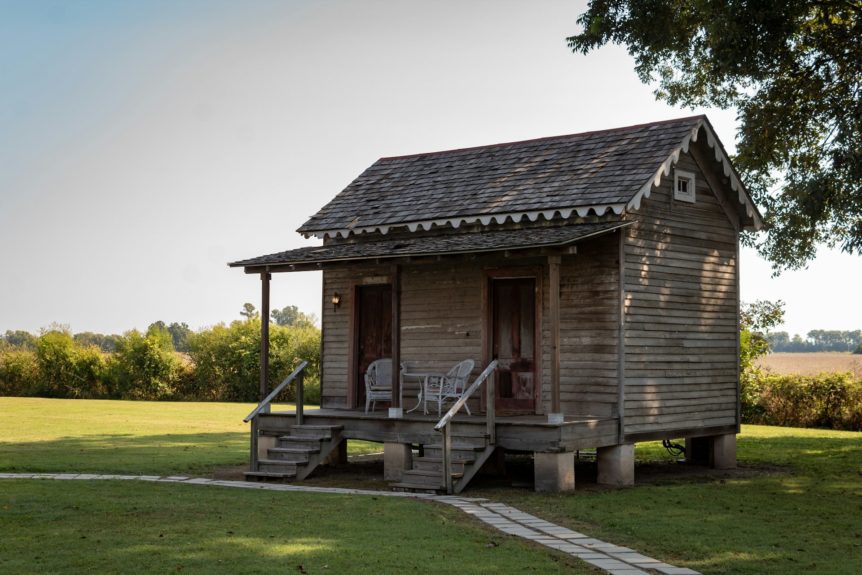
…to the Civil War. Everyday Life on Small Farms While plantations symbolized the wealth of the South, most American farms during this era were small, family-run operations. These families cultivated…
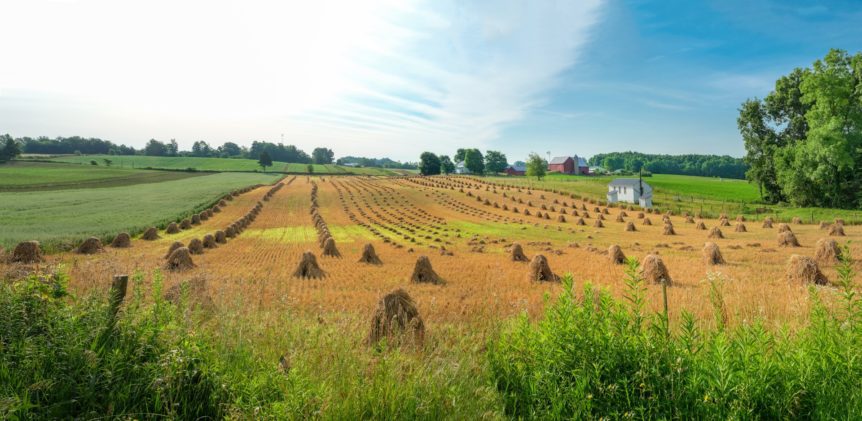
…expansion across the colonies. The Rise of Plantation Agriculture As settlements grew and the colonies expanded southward, larger farms and plantations began to define the agricultural landscape. In Virginia and…
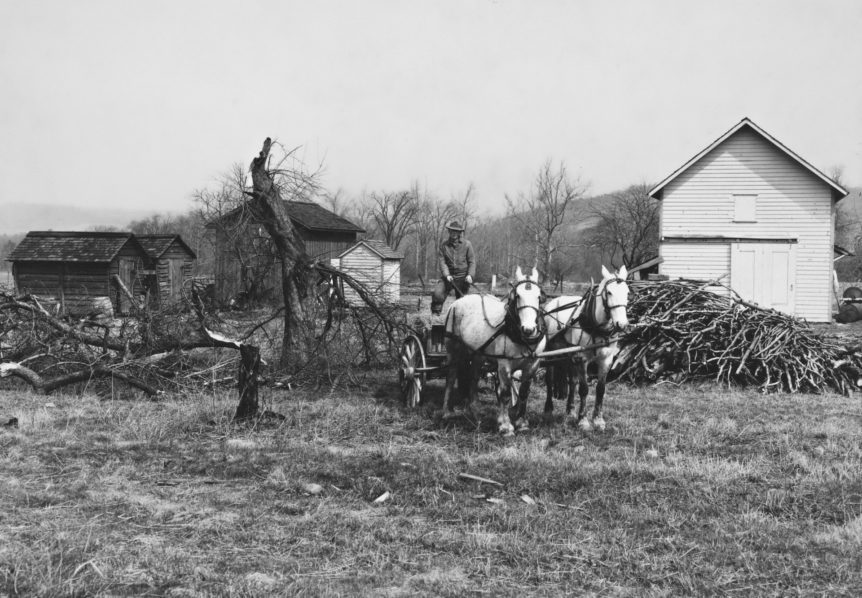
…clearing and cultivating new land. Germans also emphasized family-centered farming. Their goal was to keep farms in the family for generations, ensuring that agricultural knowledge and property were passed down…

…of Two Regions: Water Rich and Water Poor The disparity between northern and southern California is glaring. As AgMeter pointed out, farms in areas like Manteca and Ripon enjoy steady…

…decision-makers in coastal regions in charge of issues affecting farms on the East Hills—areas with very different agricultural concerns. Nanette emphasized that Proposition 50 is a California-specific issue and unrelated…