








The Ohio River has played a vital role in shaping American agriculture, commerce, and transportation for centuries. Stretching 981 miles from Pittsburgh to the point where it joins the Mississippi River near Cairo, the Ohio River remains one of the most important waterways in the United States.
As highlighted by agricultural historian Mark Oppold in his American Agriculture History Minute, the river’s historical and economic significance cannot be overstated. From transporting crops and livestock to providing drinking water for millions, the Ohio River has long been central to the development of agriculture across the Midwest and beyond.
The Third Largest River by Discharge Volume
The Ohio River is the third largest river in the United States by discharge volume, making it one of the nation’s most powerful waterways. It is also the largest tributary flowing into the Mississippi River by water volume.
Its immense flow helped establish early trade routes that farmers and settlers relied upon to move agricultural goods throughout the growing nation. Before modern highways and railroads, rivers like the Ohio served as critical transportation corridors for grain, livestock, timber, and other agricultural products.
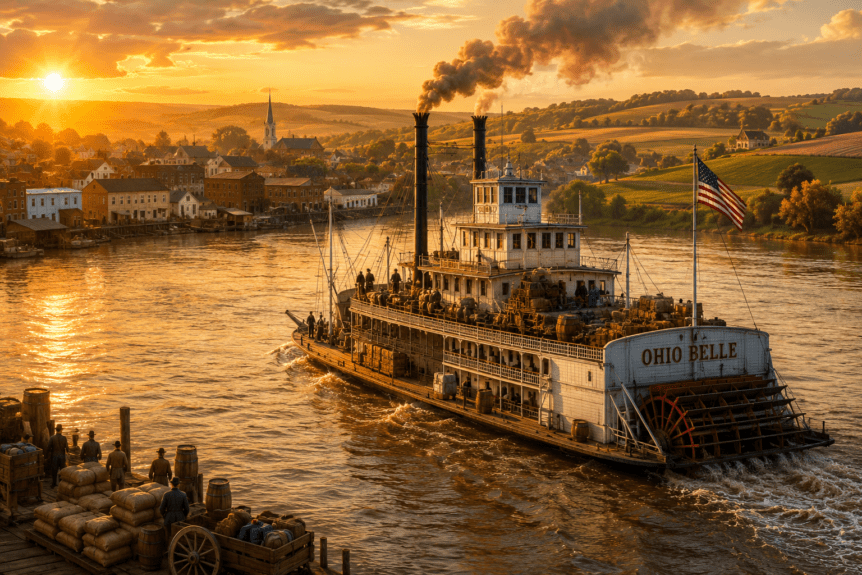
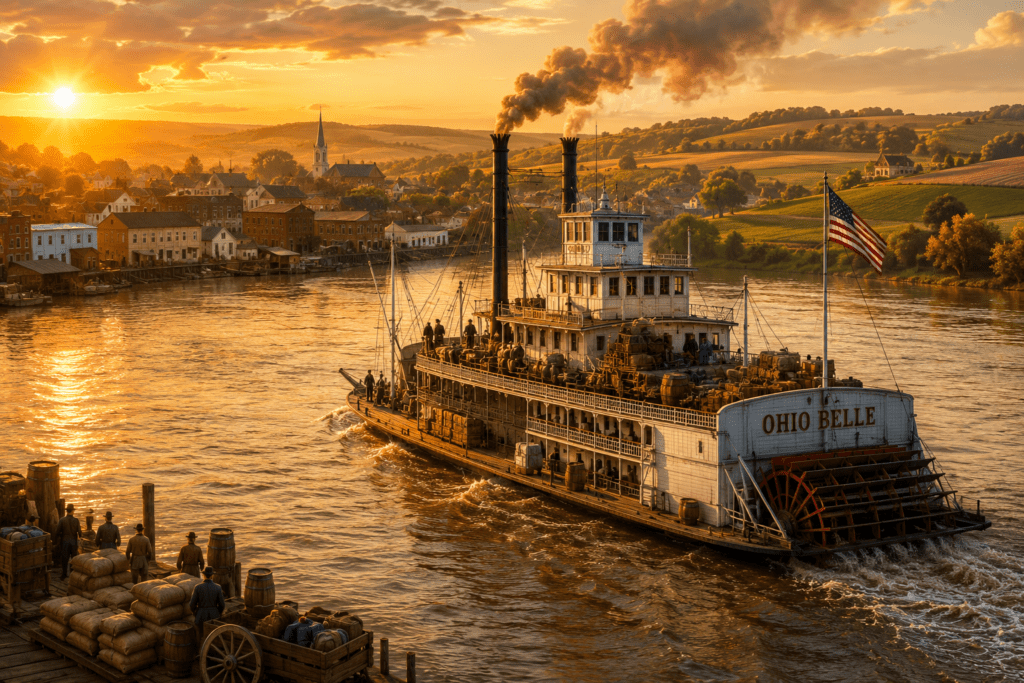
Flatboats and steamboats once crowded the river, carrying harvests from farms in the interior United States to larger markets downstream. The river became an economic engine that connected rural America to expanding cities and ports.
One of North America’s Oldest Rivers
Geologists consider the Ohio River to be the sixth oldest river on the North American continent. Its ancient origins helped shape the fertile valleys and productive farmland that surround much of the river basin today.
The nutrient-rich soils deposited throughout the watershed created ideal conditions for farming. Over generations, agriculture flourished in areas influenced by the river and its tributaries, helping establish the Midwest as one of the most productive farming regions in the world.
A River Touching Six States and Fourteen-State Basin
The Ohio River flows through or along the borders of six states:
- Pennsylvania
- Ohio
- West Virginia
- Kentucky
- Indiana
- Illinois
Its drainage basin extends even farther, covering portions of 14 states. This vast watershed supports agriculture on millions of acres of farmland.
Farmers throughout the basin depend on the river system for irrigation, transportation, industry, and economic stability. The river also supports numerous agricultural businesses tied to grain handling, food processing, and river transportation.
Supplying Drinking Water to Millions
Beyond agriculture, the Ohio River serves another essential purpose: supplying drinking water. Approximately five million people rely on the river as a source of water for homes, communities, and businesses.
Protecting water quality along the river remains critically important for both agriculture and public health. Conservation efforts, responsible land management, and environmental stewardship all play a role in preserving this historic waterway for future generations.
The Ohio River’s Lasting Agricultural Legacy
The Ohio River is far more than a geographic landmark. It is a historic artery of American agriculture that helped fuel settlement, commerce, and food production across the United States.
From its beginnings in Pittsburgh to its meeting with the Mississippi near Cairo, the river continues to influence farming, transportation, and daily life throughout the nation’s heartland.
As Mark Oppold reminds us, understanding rivers like the Ohio helps us better appreciate the infrastructure and natural resources that built American agriculture into what it is today.