









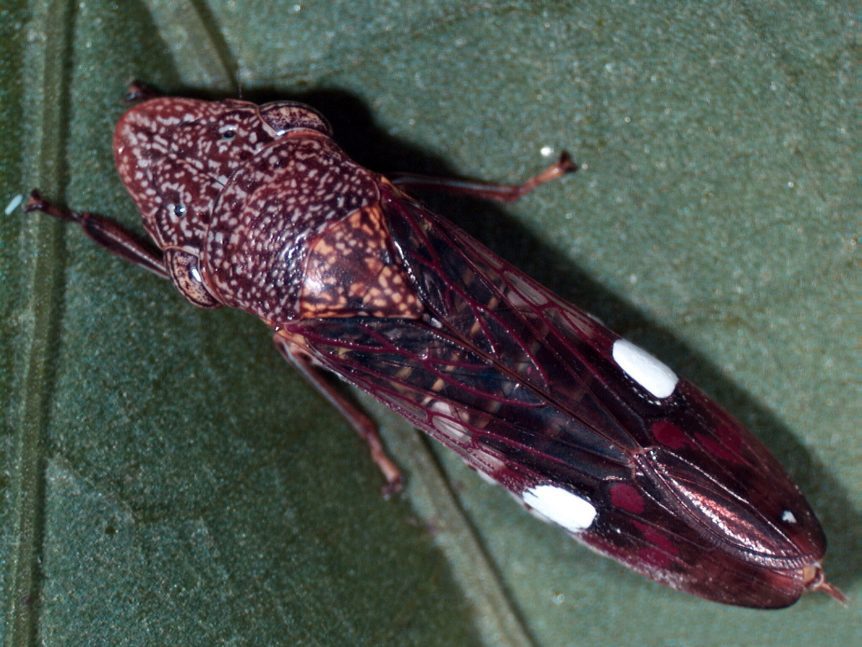
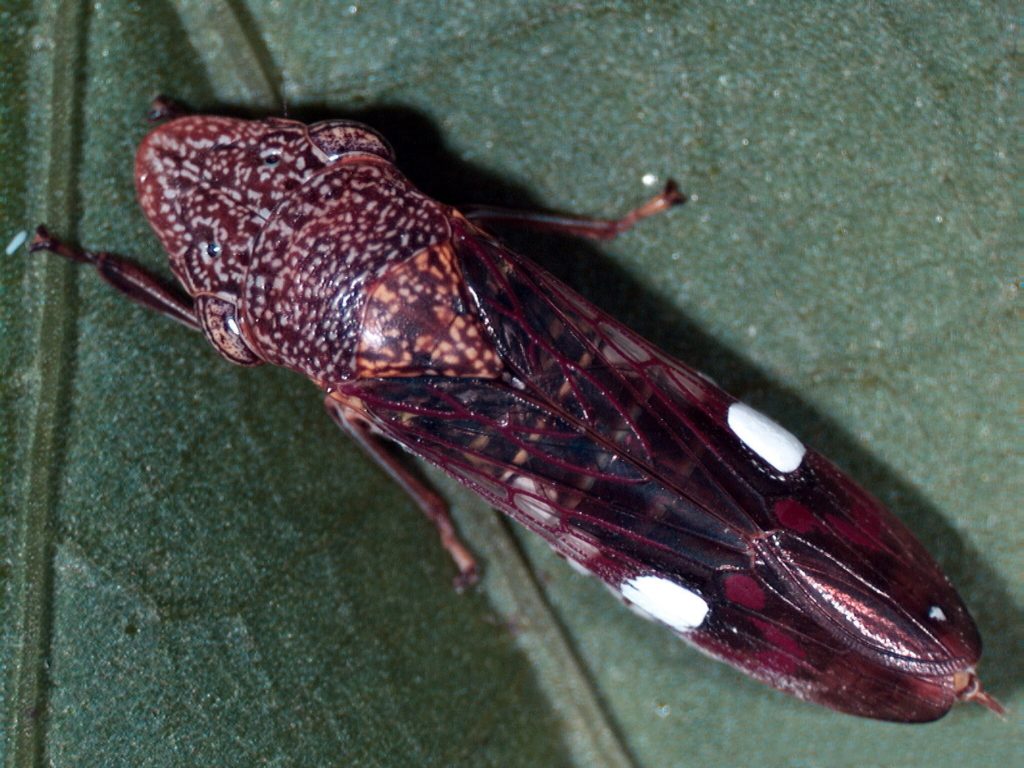
The glassy-winged sharpshooter is the culprit behind the spread of Pierce’s disease among grapevines. The insect infects the plant with the bacterium Xylella fastidiosa when it feeds on the sap from the xylem tissue of a vine.
Reyes Garcia III, USDA Agricultural Research Service, Public domain, via Wikimedia Commons
A recent report is raising concerns for California’s grape industry after invasive glassy-winged sharpshooters were discovered on grapevines sold through a retail outlet and in shipments distributed across multiple Northern California counties.
According to Napa County agriculture officials, glassy-winged sharpshooters were detected on grapevines sold at a local Costco as well as in plant shipments that reached five Northern California counties. The discovery has prompted increased vigilance among growers, vineyard managers and homeowners who may have purchased grapevine plants.
The glassy-winged sharpshooter is a significant agricultural pest because it can spread Pierce’s disease, a bacterial infection that is deadly to grapevines. Once infected, vines have no cure. The disease blocks a vine’s ability to transport water and nutrients, eventually causing decline and death.
Officials emphasized that symptoms of infection are not likely to appear immediately. While some affected vines may begin showing reduced growth during the current growing season, the more recognizable symptoms associated with Pierce’s disease often develop later in the summer.
Those symptoms can include leaf scorch, where leaf edges begin to brown and appear burned, along with overall vine stress and reduced vigor. Because the disease can remain unnoticed during its early stages, agricultural officials are encouraging growers and consumers to closely monitor newly purchased grapevines and report any suspicious insect activity or plant symptoms.
For grape growers, early detection remains one of the most important tools in limiting potential impacts. Monitoring vineyards, inspecting new plant material and staying informed about pest alerts can help reduce the risk of Pierce’s disease establishment and spread.
The discovery serves as a reminder of the ongoing threat invasive pests pose to California agriculture. Napa County and other agricultural agencies continue to monitor the situation while working to prevent the spread of both the insect and the disease it carries.
Hear From Lorrie Boyer With AgNet West: