









The Invention That Helped Shape American Agriculture
American agriculture has been built on innovation, hard work, and the determination of pioneers who transformed the nation’s landscape. Among the many inventions that helped farmers and ranchers succeed, few have had a greater impact than barbed wire. Yet one of the men responsible for its development is often overlooked in history.
Michael Kelly may not be a household name, but his contribution to American agriculture deserves recognition. His invention helped solve one of the biggest challenges facing settlers as they moved westward across the United States.
The Challenge of Managing Livestock on the Frontier
As pioneers expanded into the western territories, livestock production grew rapidly. Cattle, sheep, and other farm animals became essential to the agricultural economy. However, managing these animals presented significant difficulties.
At the time, there were very few effective fencing options available. Vast stretches of open land made traditional fencing expensive and impractical. As a result, livestock often wandered away from farms and ranches. Predators also posed a constant threat, leading to losses that could severely impact a family’s livelihood.
Farmers and ranchers needed a practical, affordable solution that could keep animals contained while protecting valuable livestock from danger.
Michael Kelly’s Innovative Solution
Michael Kelly stepped forward with an invention that would eventually change agriculture forever. He developed one of the first versions of barbed wire fencing, creating a barrier designed to keep livestock where they belonged.
Kelly’s design represented a major advancement in fencing technology. The sharp barbs attached to wire provided an effective deterrent that animals quickly learned to avoid, making it possible to fence large areas of land at a fraction of the cost of traditional wooden fences.
Despite the practicality of his invention, Kelly’s barbed wire did not achieve widespread success during its early years. One of the primary reasons was a lack of promotion and marketing. Without broad public awareness, his innovation failed to gain the immediate recognition it deserved.
Henry Rose: The Father of Barbed Wire
While Michael Kelly made important contributions to fencing technology, agricultural history often credits Henry Rose as the “Father of Barbed Wire.”
Rose’s early design featured metal spikes protruding from a wooden fence. His work helped advance the concept of livestock containment and inspired further developments in fencing technology. Over time, improvements to these early designs led to the widespread adoption of modern barbed wire.
Because of his influence and the evolution of his designs, Henry Rose became the figure most commonly associated with the invention and development of barbed wire.
Remembering Michael Kelly’s Role in Agricultural History
Although history frequently highlights Henry Rose’s contributions, Michael Kelly remains an important figure in the story of American agriculture. His efforts to create a practical fencing solution addressed a critical need for western settlers and livestock producers.
The success of American ranching and livestock production depended on innovations like barbed wire. These inventions allowed farmers and ranchers to protect their animals, manage larger herds, and make more productive use of their land.
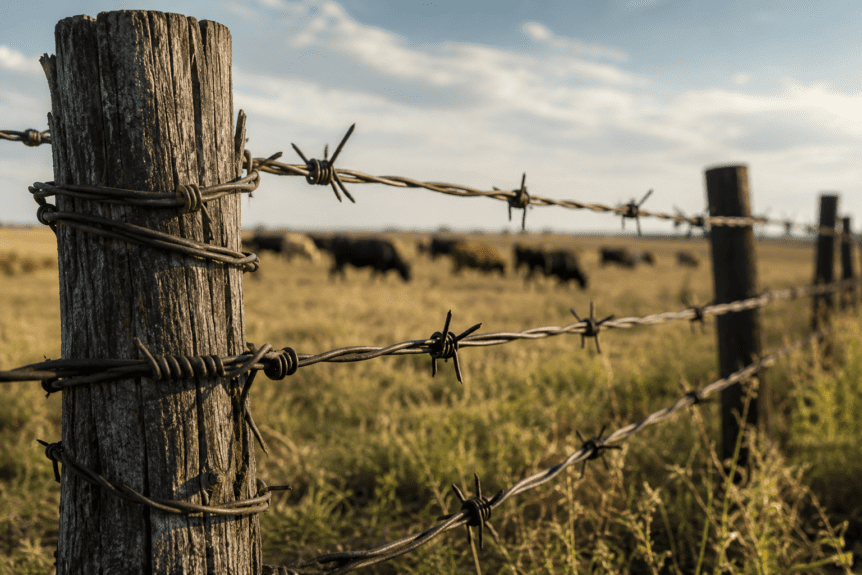
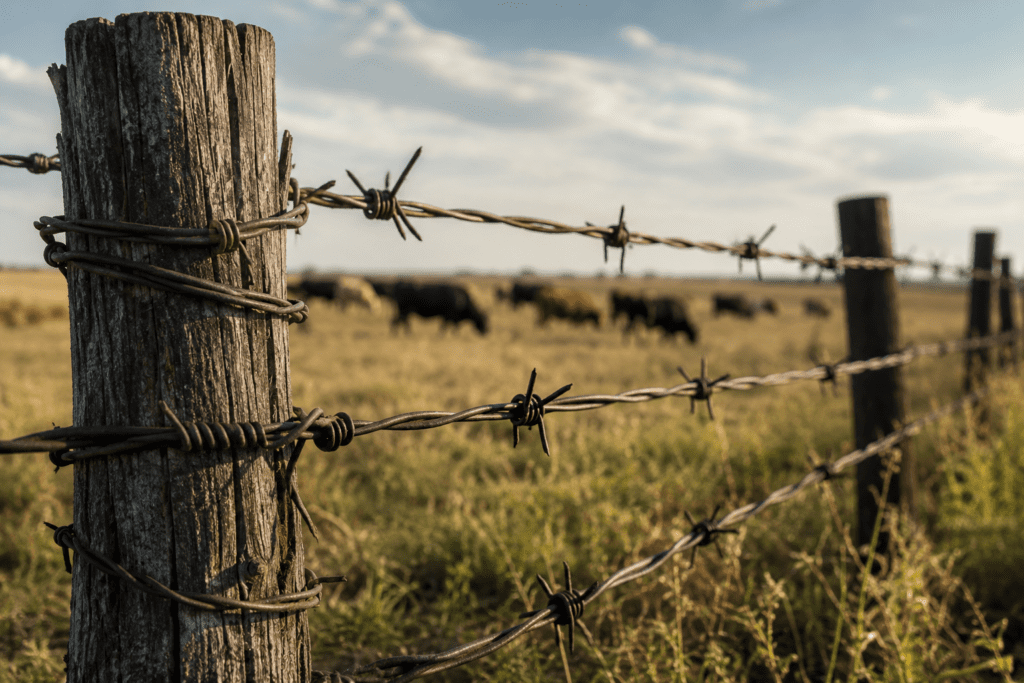
Today, barbed wire remains one of the most recognizable symbols of rural America. As we reflect on the innovations that helped shape the nation’s agricultural industry, Michael Kelly deserves recognition for his role in helping solve one of the frontier’s most pressing challenges.
A Lasting Legacy
The history of agriculture is filled with individuals whose contributions are not always widely known. Michael Kelly is one of those pioneers. Though his name may not appear as often in history books, his work contributed to a technological advancement that transformed livestock management across the American West.
His story serves as a reminder that many of agriculture’s greatest innovations were built by individuals whose ideas helped shape the future of farming and ranching for generations to come.