









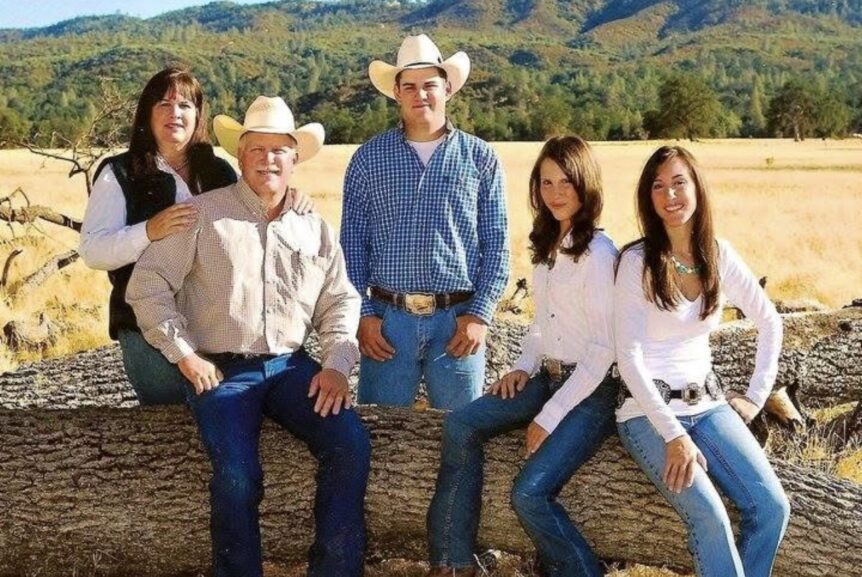
Fifth-generation California rancher and former National Cattlemen’s Beef Association (NCBA) President Kevin Kester joined “The Ag Meter“ Nick Papagni for a wide-ranging conversation covering the biggest issues facing the U.S. cattle industry today. From historically low cattle numbers and the fight against New World screwworm to California’s growing wolf population, agricultural policy, and the future of ranching, Kester provided firsthand insight into the challenges and opportunities ahead for beef producers.
While the interview featured plenty of humor—including football, horses, and life on a family ranch—it also delivered valuable updates on issues that directly impact ranchers, consumers, and the future of American agriculture.
U.S. Beef Herd Rebuilding Will Take Time
One of the industry’s biggest questions is when America’s cattle inventory will begin to recover.
According to Kester, rebuilding the nation’s beef herd won’t happen overnight. Thanks to the biological realities of cattle production and the uncertainty of weather, meaningful expansion remains several years away.
“We’re probably at least three years out, and five years is very possible before we have any substantial rebuilding of the U.S. beef herd,” Kester explained.
Rainfall and improved grazing conditions will play a major role in determining how quickly producers begin retaining replacement heifers and expanding their operations.
USDA’s Fight Against New World Screwworm
Kester also discussed the recent New World screwworm detections in Texas and New Mexico, emphasizing that the parasite is not a food safety concern for consumers.
Instead, the pest affects livestock and other mammals through fly larvae infestation.
USDA, along with the State of Texas, has launched an aggressive response that includes nearly $1 billion in funding over the next 18 months.
The cornerstone of the eradication effort remains the release of sterile male flies. A new USDA production facility under construction at Moore Air Force Base near Laredo, Texas, is expected to produce approximately 300 million sterile flies each week, supplementing the 100 million currently produced in Mexico and Panama.
Researchers are also exploring genetic advancements that could dramatically improve the sterile fly program by producing predominantly male sterile flies, making future eradication efforts even more effective.
California Ranchers Continue Battling Predators
Predator management remains one of California ranchers’ greatest challenges.
Kester explained that although California recently authorized limited removal of wolves responsible for repeated livestock attacks, ranchers continue experiencing significant losses while receiving limited compensation.
He also voiced concern over legislative proposals studying the reintroduction of California grizzly bears.
With wolves, mountain lions, coyotes, and bears all competing for food sources, Kester questioned whether policymakers fully appreciate the impact additional predators could have on livestock, wildlife populations, and rural communities.
While he acknowledged that the California Department of Fish and Wildlife is attempting to balance conservation with rancher concerns, he believes existing endangered species protections continue limiting practical management options.
Strengthening America’s Beef Processing Capacity
The discussion also covered USDA’s new Strengthening Processing for U.S. Ranchers (SPUR) initiative.
The $500 million program is designed to help small and mid-sized beef processors survive during a period of historically low cattle numbers.
With processing plants operating below capacity, several facilities have already closed due to insufficient cattle supplies.
Kester noted that while the financial assistance will help processors remain viable, rebuilding the national cattle herd remains the only long-term solution to restoring full processing capacity.
Why Beef Imports Still Matter
Kester addressed concerns surrounding imported beef, particularly lean beef from countries like Argentina.
He explained that imported lean beef plays an important role in supplying America’s hamburger market by blending with domestic beef trimmings.
Rather than harming the industry, these imports help stabilize production and moderate consumer prices during periods of limited domestic cattle supplies.
However, Kester emphasized that market forces—not politics—should determine import volumes.
California Policy Continues to Challenge Agriculture
Several California policy issues also dominated the conversation.
Kester discussed proposed changes to the Williamson Act that could allow productive farmland enrolled in agricultural preservation contracts to be converted into solar developments while retaining certain tax benefits.
Both the California Cattlemen’s Association and California Farm Bureau oppose the proposal, arguing that prime farmland should remain dedicated to food production.
He also reflected on conversations with agricultural leaders and elected officials from across the country, noting that many continue asking the same question:
“How do you stay in business in California?”
Despite the challenges, historically strong cattle prices have helped improve producer optimism during recent California Cattlemen’s Association meetings.
Elections Could Shape Agriculture’s Future
Looking ahead, Kester said the upcoming elections could significantly influence agriculture at both the state and federal levels.
He explained that while agricultural organizations work with elected officials from both political parties, policies that reduce unnecessary regulations, encourage business investment, and support agriculture are critical to keeping family ranches viable.
He also expressed optimism regarding recent federal economic initiatives and discussed attending a Fresno event with House Speaker Mike Johnson, where national legislative priorities and agricultural issues were among the topics discussed.
Optimism for Better Weather
One bright spot for California ranchers is the possibility of improved weather.
Kester pointed to forecasts suggesting an increasing probability of a strong El Niño pattern developing later this year, bringing the potential for above-average rainfall.
Improved precipitation would provide much-needed forage for livestock while benefiting water supplies throughout California.
Advice From a Rancher: Age Your Steak
Before wrapping up the interview, Papagni asked Kester for his favorite steak.
Without hesitation, Kester chose a bone-in aged ribeye.
He also offered grilling advice many consumers may not know.
Rather than freezing quality steaks immediately, Kester recommends aging them in the refrigerator for approximately three weeks to naturally improve tenderness and flavor. He explained that darkening meat is simply oxidation—not spoilage—and proper aging allows natural enzymes to tenderize the beef.
Family, Tradition, and the California Mid-State Fair
The interview concluded on a lighter note as Kester reflected on working alongside his family on their fifth-generation ranch.
He joked that anyone familiar with ranch life understands why family members often sound like they’re arguing while working cattle—raising your voice over livestock is simply part of the job.
Kester also encouraged listeners to attend the California Mid-State Fair in Paso Robles, highlighting its agricultural exhibits, entertainment, and family atmosphere. Among the performers he was most excited to see was country music legend Willie Nelson.
Listen to the Full Interview
Kevin Kester’s conversation with “The Ag Meter“ Nick Papagni provides an in-depth look at the issues shaping today’s beef industry—from cattle markets and USDA programs to predator management, California regulations, weather outlooks, and practical ranching advice.
Whether you’re a rancher, agricultural professional, or simply interested in where your beef comes from, this interview offers valuable perspective from one of California’s most respected cattle industry leaders.
Be sure to listen to the full interview with Kevin Kester with The Ag Meter to hear his complete insights, personal stories, and expert analysis on the future of American ranching.