









The Illinois River holds an important place in American agriculture history and the development of the Midwest. Stretching 273 miles across the state of Illinois, the river served as a critical transportation and trade route long before modern highways and railroads transformed the region.
The river begins at the meeting point of the Des Plaines River and the Kankakee River in the Chicago metropolitan area. From there, it flows southwest across Illinois before eventually emptying into the Mississippi River near Grafton.
A Vital Route for Native Americans and Early Traders
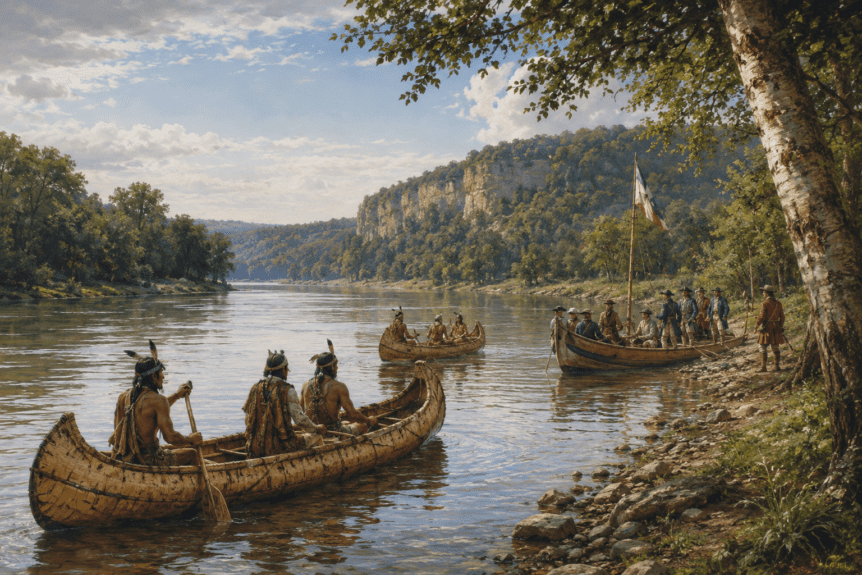
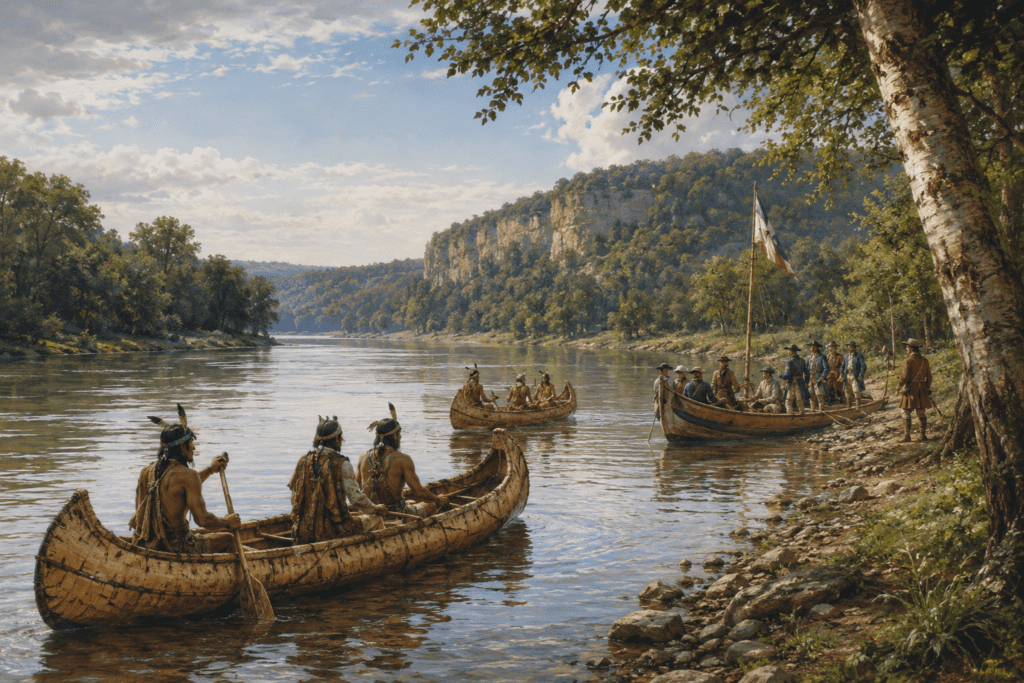
Long before European settlement expanded into the Midwest, Native American tribes relied on the Illinois River as a major travel and trade corridor. The river system provided access to fertile lands, fishing resources, and important connections between regions.
As French explorers and traders entered the area during the 17th and 18th centuries, the Illinois River became even more significant. It served as the principal water route linking the Great Lakes to the Mississippi River, allowing traders to move goods and supplies efficiently through the interior of North America.
French fur traders and explorers traveled these waterways extensively, establishing trade networks that connected Native American communities with French colonial settlements.
The Heart of Illinois Country
French colonial settlements that developed along the Illinois River and nearby waterways became the center of a region historically known as “Illinois Country.” During the 1600s and 1700s, this territory played an important role in France’s North American presence.
The fertile lands surrounding the river supported farming and settlement growth, laying the foundation for the agricultural importance Illinois would later achieve. The waterway allowed crops, supplies, and trade goods to move more easily throughout the region, helping communities thrive.
Today, the Illinois River remains an important natural and historical landmark that reflects the deep agricultural and cultural roots of the American Midwest.