








For generations, agriculture has been at the heart of American communities, and one of the most enduring traditions to emerge from rural life is the State Fair. What began as friendly competition among farm families eventually evolved into some of the largest and most celebrated annual events in the United States.
According to agricultural historian Mark Oppold, the origins of State Fairs can be traced back to the natural competitive spirit of American farmers. Families took pride in their crops, livestock, and farming practices, often comparing their achievements with neighbors and fellow producers. Over time, these informal contests grew into organized exhibitions showcasing the best agriculture had to offer.
The Birth of the State Fair
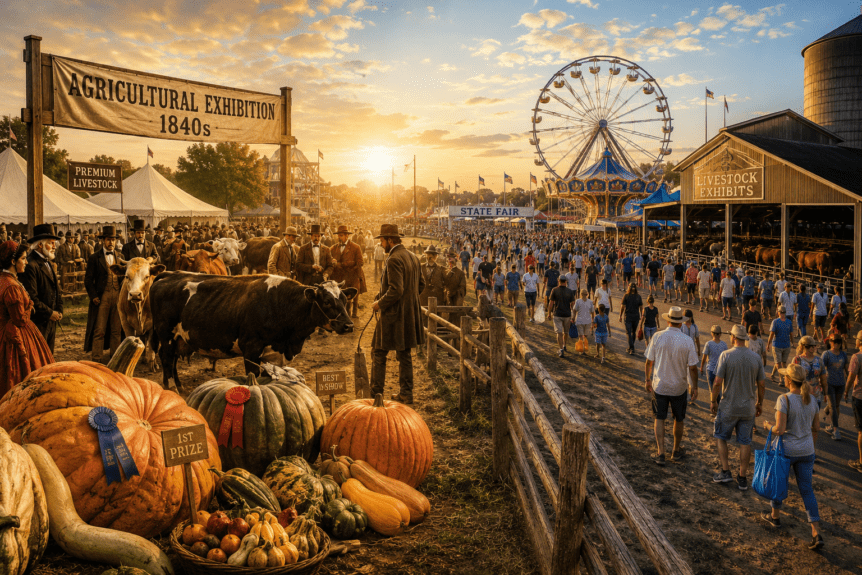
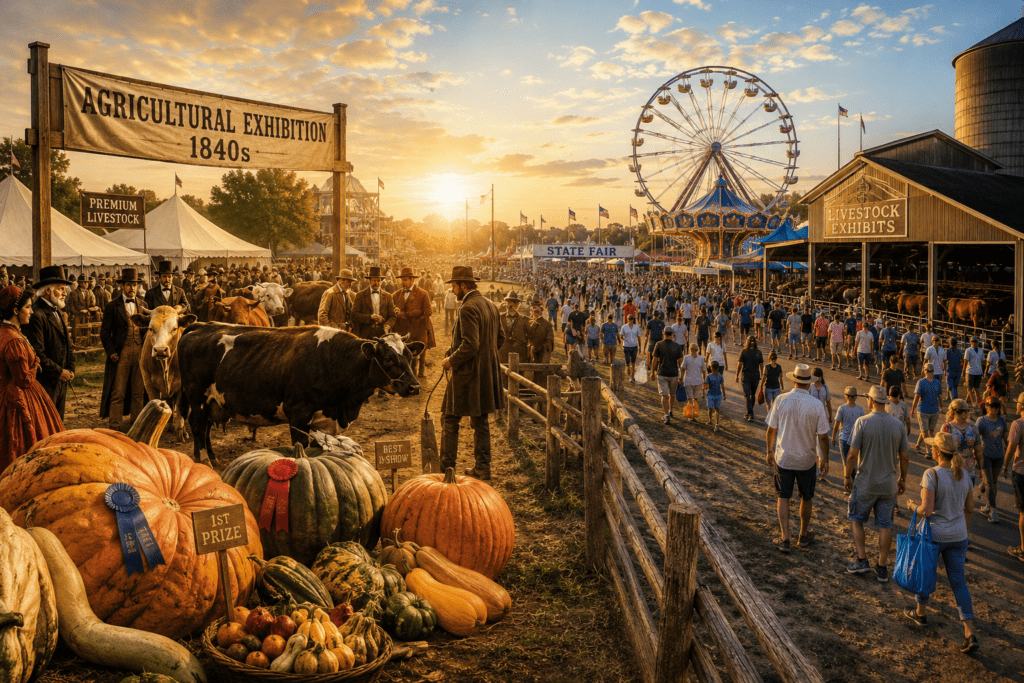
New York holds the distinction of hosting the first State Fair in America in 1841. The event was created to promote agricultural education, encourage innovation, and provide farmers with a venue to display their finest livestock, produce, and equipment.
The success of New York’s fair inspired other states to follow suit. Michigan became the second state to establish a State Fair in 1849, helping spread the tradition across the growing nation.
As agriculture expanded throughout the United States during the 19th century, State Fairs became important gathering places where farmers could exchange ideas, learn about new technologies, and celebrate rural life.
More Than Just Agriculture
While agriculture remains the foundation of State Fairs, these events have evolved into major cultural attractions. Visitors enjoy livestock shows, crop exhibitions, carnival rides, entertainment, food competitions, educational exhibits, and demonstrations of the latest agricultural innovations.
State Fairs continue to serve as a bridge between urban and rural communities, helping consumers better understand where their food comes from and the work involved in producing it.
Texas Leads the Nation in Attendance
Today, the State Fair of Texas attracts more visitors than any other State Fair in the country. Its massive attendance numbers reflect both Texas’s large population and the fair’s reputation as one of America’s premier annual events.
Closely following Texas in attendance is the Minnesota State Fair, often referred to as “The Great Minnesota Get-Together.” The Minnesota State Fair has earned national recognition for its extensive agricultural exhibits, entertainment offerings, and unique fair foods.
Iowa’s Unique Place in State Fair History
Among all State Fairs, the Iowa State Fair holds a particularly unique distinction. Its cultural impact extends beyond agriculture and entertainment into literature and film.
The Iowa State Fair inspired a novel and served as the basis for three movies, making it one of the most recognizable and influential State Fairs in American history. Its longstanding traditions and iconic atmosphere have helped cement its place in the nation’s cultural landscape.
Preserving an Agricultural Legacy
More than 180 years after the first State Fair was held in New York, these events continue to celebrate the achievements of American agriculture. They honor the hard work of farmers and ranchers while educating new generations about the importance of food production and rural communities.
From livestock competitions and crop judging to family entertainment and educational exhibits, State Fairs remain a living reminder of America’s agricultural heritage and the competitive spirit that helped build the nation’s farming tradition.
As Mark Oppold highlights, what began as simple contests among farm families has grown into a cherished American institution that continues to bring millions of people together each year.