










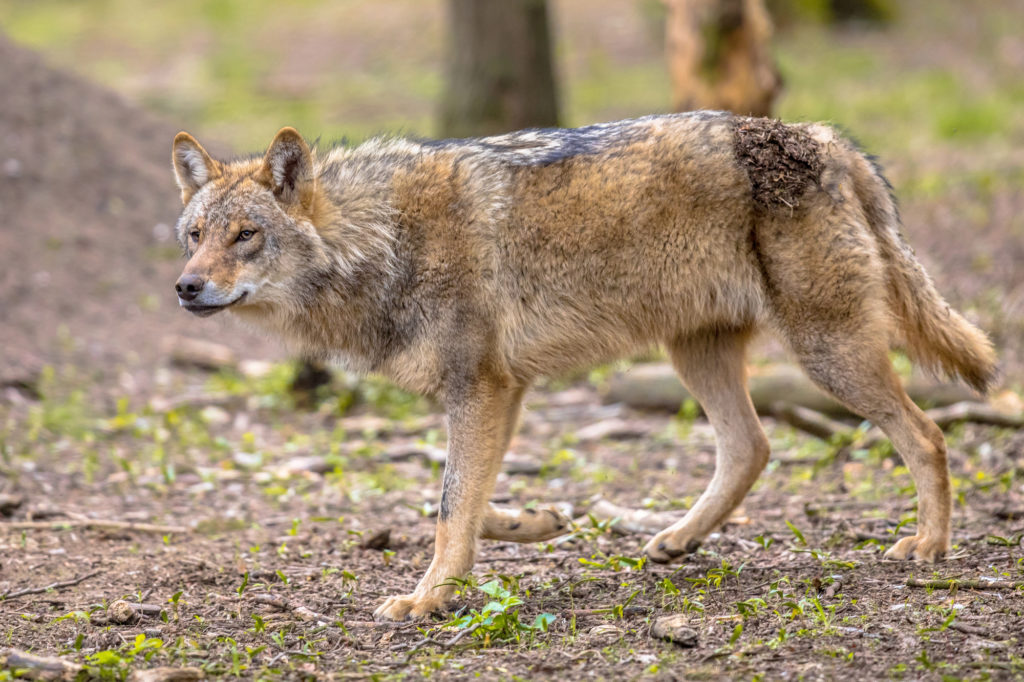
The ongoing debate over gray wolf protections under the Endangered Species Act continues to be a major issue for ranchers across the western United States. A recent report highlighted concerns from the National Cattlemen’s Beef Association (NCBA), which says expanding gray wolf populations are creating increasing challenges for cattle producers.
According to NCBA Vice President of Government Affairs Ethan Lane, ranchers are facing a growing list of difficulties as wolf populations expand into new areas. Those challenges include livestock losses, rising management expenses and uncertainty surrounding how producers can effectively protect their herds.
The issue remains a priority for many cattle producers who argue that wildlife management policies must account for the real-world impacts experienced by working ranches.
Gray Wolf Populations Increase Challenges for Ranchers
As gray wolf populations continue to grow in several western states, ranchers are being forced to adapt their operations to address increased predator activity.
Industry leaders say livestock losses are among the most visible consequences. Beyond direct losses, producers often face additional labor costs associated with monitoring herds, implementing deterrent measures and responding to wolf activity near grazing areas.
The challenge can be particularly difficult for ranchers operating on large landscapes where livestock may be spread across extensive rangeland.
According to NCBA, many producers believe they have limited options available to protect cattle while remaining in compliance with federal and state regulations governing wolf management.
Gray Wolf Populations Drive Calls for Policy Changes
NCBA continues to advocate for greater flexibility for producers dealing with wolf-related issues. The organization argues that federal agencies should recognize the increasing impact that gray wolf populations are having on cattle operations throughout the West.
Supporters of policy changes contend that ranchers need additional management tools to respond effectively as wolf populations expand. They say balancing wildlife conservation goals with livestock protection remains critical to maintaining viable cattle operations.
The debate over gray wolf management has persisted for years, with differing viewpoints on how the species should be managed and whether federal protections should remain in place.
As discussions continue, cattle producers, wildlife officials and policymakers will be watching closely to see how future decisions could affect ranching operations and wolf management efforts across the region.
Hear more about concerns surrounding gray wolf populations and their impact on western cattle producers by listening to the report below.