








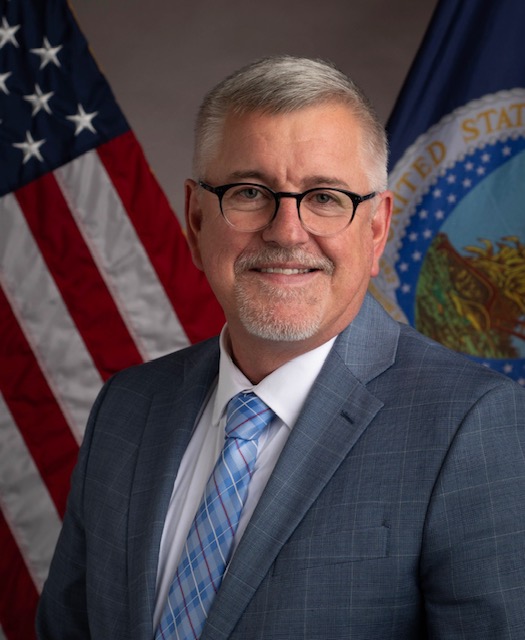
American agriculture is at a crossroads—and few understand that better than USDA Undersecretary of Farm Production and Conservation, Richard Fordyce. In a compelling conversation with “The Ag Meter” Nick Papagni, Fordyce delivers a grounded, farmer-first perspective on policy, profitability, and the future of agriculture in California and across the United States.
From Missouri Farm to USDA Leadership
Fordyce’s story begins where many great ag leaders are built—on the farm. A fourth-generation Missouri farmer, he grew up raising corn, soybeans, wheat, and cattle. That hands-on experience continues to shape his leadership style in Washington, where he now oversees the USDA’s most farmer-facing agencies under FPAC.
His message is clear: today’s farmers are far more than growers. They are scientists, mechanics, and business operators navigating a complex, ever-changing landscape.
What FPAC Means for Farmers
Under Fordyce’s leadership, FPAC connects producers directly to critical USDA resources through three key agencies:
- Farm Service Agency (FSA): Loans, disaster relief, and safety net programs
- Natural Resources Conservation Service (NRCS): Conservation and land productivity support
- Risk Management Agency (RMA): Crop insurance and risk protection
Together, these programs form the backbone of federal agricultural support—especially during uncertain times.
The “One Big Beautiful Bill” Explained
A major highlight of the interview is the sweeping impact of the “One Big Beautiful Bill.” While not a traditional farm bill, it delivers meaningful wins for agriculture:
- $15M estate tax exemption to protect family farms
- Expanded Section 179 expensing for equipment and infrastructure
- Higher reference prices in ARC and PLC programs
- 30 million new base acres added for support calculations
- Improved crop insurance options with better coverage and affordability
Fordyce believes these provisions will significantly strengthen financial stability for farmers as they roll out through 2026.
California Agriculture: Opportunity Meets Challenge
California remains the most diverse agricultural state in the nation—but that diversity brings complexity. Water access, regulation, and labor continue to challenge producers.
Fordyce emphasized USDA’s commitment to supporting California through conservation programs, livestock assistance, and risk management tools. He also pointed to water infrastructure as a critical long-term issue, noting the importance of capturing and storing more of the state’s available water supply.
Cattle Markets & Economic Pressures
The cattle industry presents a mixed picture. Herd sizes have declined due to drought, yet strong prices are creating profitability. The catch? High prices discourage herd rebuilding, as producers often choose to sell rather than retain livestock.
Meanwhile, stubbornly high input costs continue to pressure all sectors of agriculture—making efficiency and market expansion more important than ever.
Looking Ahead: 2026 and Beyond
Despite challenges, Fordyce remains optimistic. Expanding trade, increasing demand, and implementing new policy tools are all part of the strategy moving forward.
Still, one factor remains unpredictable: weather.
“That’s the wildcard every year in farming,” Fordyce explains.
A Message to Farmers
Fordyce closed with a strong reminder: USDA is committed to a “farmer-first” approach. He encouraged producers to connect with their local FSA and NRCS offices—the front line for accessing programs, meeting deadlines, and maximizing opportunities.
And when asked the ultimate question—can farming thrive again? His answer was simple:
“Farming can be great again, without a doubt.”
🎧Don’t Miss the Full Interview
This conversation only scratches the surface. Hear directly from Richard Fordyce as he dives deeper into policy, real-world farming challenges, and what’s next for agriculture.
👉 Tune in to the full interview with “The Ag Meter” Nick Papagni for the complete story.