









America’s Agricultural Foundation Grew Strong After Independence
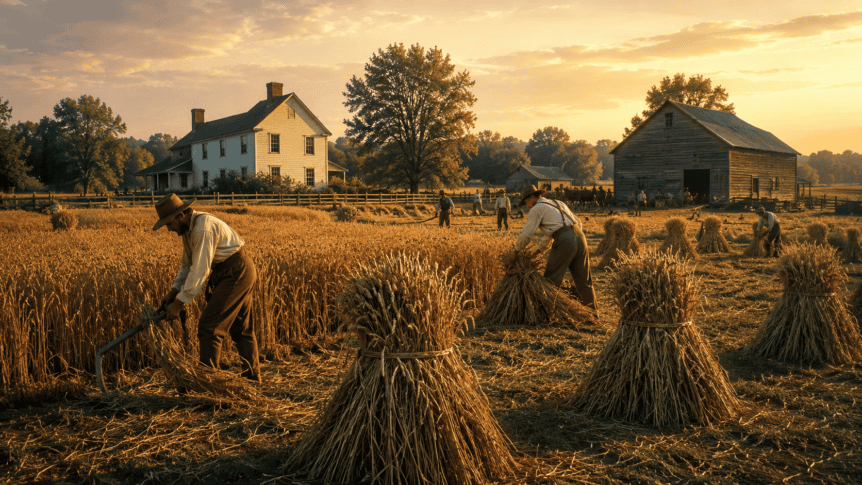
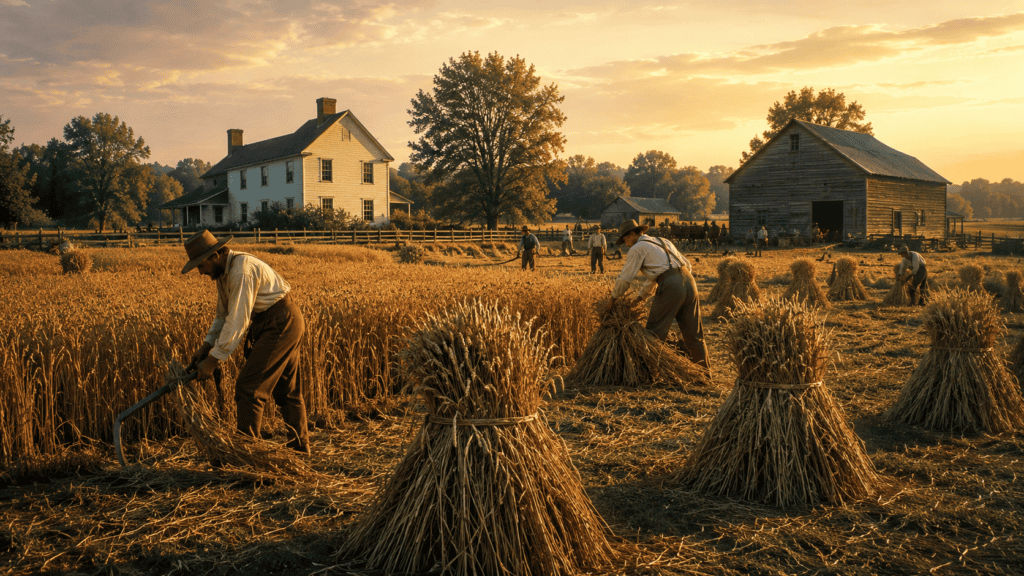
Following the end of the Revolutionary War, the United States faced the enormous challenge of building a stable economy as a newly independent nation. While manufacturing and industry would come much later, agriculture became the backbone of America’s early prosperity.
In this edition of American Agriculture History Minute, Mark Oppold explains how innovative farming practices and growing international demand for grain helped shape the nation’s future during its earliest years.
Agriculture Was Essential to America’s Survival
After gaining independence from Great Britain, the young United States depended heavily on agriculture to sustain its economy. Farming wasn’t simply an occupation—it was the foundation upon which the nation’s future rested.
With limited industrial infrastructure, American farmers supplied food for the growing population while also creating valuable export opportunities that generated much-needed income for the new country.
As the nation’s population expanded and new land was cultivated, improving soil productivity became increasingly important.
George Washington Helped Pioneer Better Farming Practices
One of America’s most influential agricultural innovators was the nation’s first president, George Washington.
Beyond his military and political leadership, Washington was an accomplished farmer who embraced progressive agricultural techniques well ahead of many of his contemporaries.
Among the practices he implemented were:
- Fertilizing fields with animal manure to replenish soil nutrients.
- Applying lime to improve soil quality and crop productivity.
- Rotating crops to prevent soil depletion and maintain long-term fertility.
These methods represented some of the earliest examples of sustainable farming practices in the United States. Crop rotation, in particular, helped preserve soil health while improving yields, a principle that continues to be widely used in modern agriculture.
European Demand Created New Export Opportunities
At the same time American agriculture was becoming more productive, Europe experienced a significant population boom.
The growing population increased demand for wheat, driving prices higher across European markets.
Large American farmers who produced more grain than domestic markets required recognized an opportunity. Farmers like George Washington began exporting surplus wheat overseas, shipping grain to:
- Europe
- The West Indies
These early exports helped establish American agriculture as an important participant in international trade, providing valuable revenue for farmers and strengthening the young nation’s economy.
The Beginning of America’s Agricultural Legacy
The innovations adopted by America’s earliest farmers laid the groundwork for centuries of agricultural success.
Simple yet effective improvements in soil management, combined with expanding export markets, demonstrated how farming would become one of the country’s greatest economic strengths.
The willingness of early agricultural leaders to experiment with better production methods helped create a more resilient and productive farming system—one that continues to influence agriculture today.
As Mark Oppold reminds listeners in this American Agriculture History Minute, the story of American agriculture is deeply connected to the nation’s growth, innovation, and long-term prosperity.