









California’s wine industry is moving into a new phase of market adjustment, and recent insights suggest that buyers may need to rethink assumptions about wine availability in the months ahead.
While industry headlines continue to point to an oversupplied bulk wine market, analysts say the situation is more complicated than total inventory figures might suggest. On paper, available wine volumes remain high, but the supply of wines that meet specific buyer needs is becoming increasingly limited.
The distinction is important for wineries, brokers and buyers seeking particular varietals, vintages or quality levels. Although overall gallon counts may indicate excess supply, analysts report that finding the right wine for a specific market segment is becoming more difficult.
California Wine Market Correction Reduces Future Supply
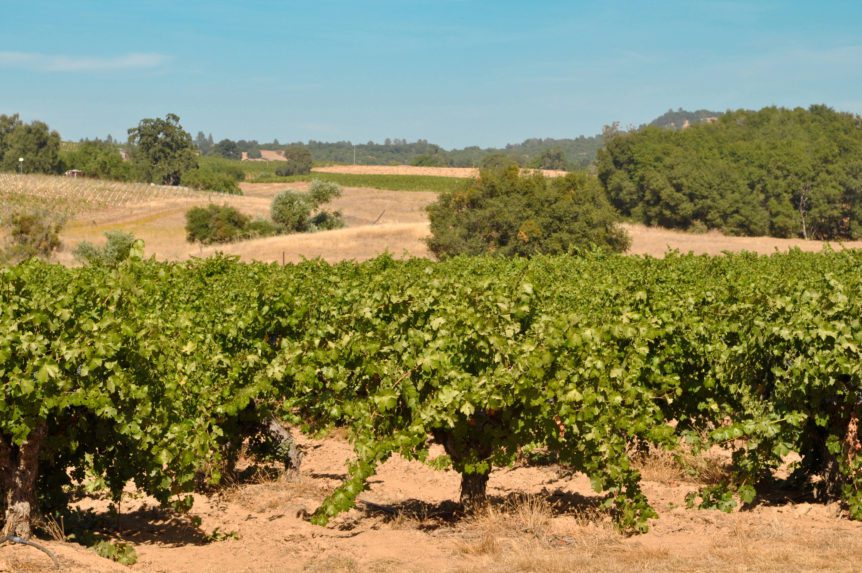
One of the most significant developments affecting the industry is the accelerating pace of vineyard removals throughout California. Analysts note that the current wave of removals represents more than temporary adjustments or symbolic acreage reductions.
Instead, growers are permanently removing vineyards at a pace that is expected to reduce California’s long-term production capacity. Those changes could eventually alter the supply-demand balance across the state’s wine industry and influence future market availability.
As vineyard acreage declines, buyers who assume excess supplies will remain readily available may find fewer options than anticipated. Industry observers say the current market correction is beginning to reshape the state’s production landscape in meaningful ways.
Early Growing Season Adds Pressure to Market Decisions
Complicating the situation further is the unusually warm spring weather experienced across California. The conditions have accelerated vine development and pushed the 2026 growing season ahead by several weeks in many wine-producing regions.
That compressed timeline could create challenges for buyers who delay purchasing decisions or inventory planning. Analysts suggest that an earlier-than-normal harvest schedule may leave less time for evaluating options and securing desired wine lots.
The bulk wine market is also facing additional pressure from sellers dealing with cash-flow concerns and limited storage capacity. Some wineries and inventory holders may move quickly to liquidate available wine, potentially removing high-quality lots from the marketplace earlier than expected.
As a result, buyers who wait for lower prices or additional inventory may discover that some of the most desirable opportunities have already disappeared. Industry analysts say the combination of vineyard removals, shifting production timelines and inventory pressures is creating a more dynamic marketplace than headline supply figures alone would indicate.
Hear more about the California wine market correction and what it could mean for buyers and growers by listening to the report below.