









California’s farmers and truckers are facing some of the toughest economic conditions in decades. Rising fuel prices, increasing insurance costs, growing regulations, and concerns over the state’s energy infrastructure are putting pressure on the industries that keep America’s food supply moving.
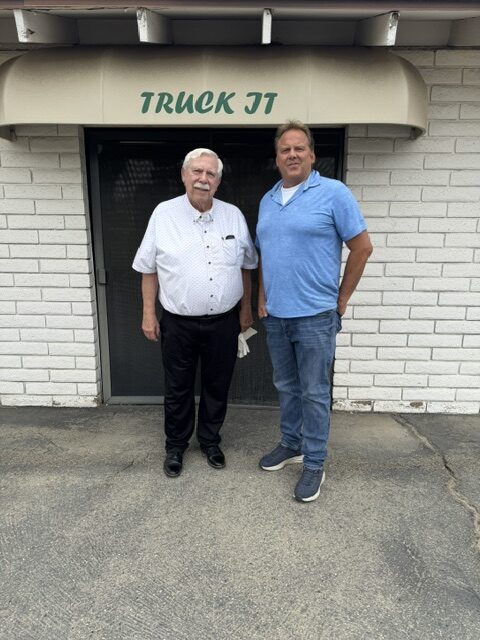
During a recent interview with “The Ag Meter” Nick Papagni, sat down with Mark Woods, owner of Wildwood Trucking in Kingsburg, California, and energy expert Ellington Smith for an in-depth discussion about the challenges facing agriculture, transportation, and business throughout the Golden State.
Their conversation revealed growing concerns about fuel taxes, refinery closures, regulatory burdens, and the future competitiveness of California agriculture.
Fuel Costs Continue to Impact California Agriculture
For trucking companies, fuel is one of the largest operating expenses, and according to Woods, rising diesel prices remain a constant challenge.
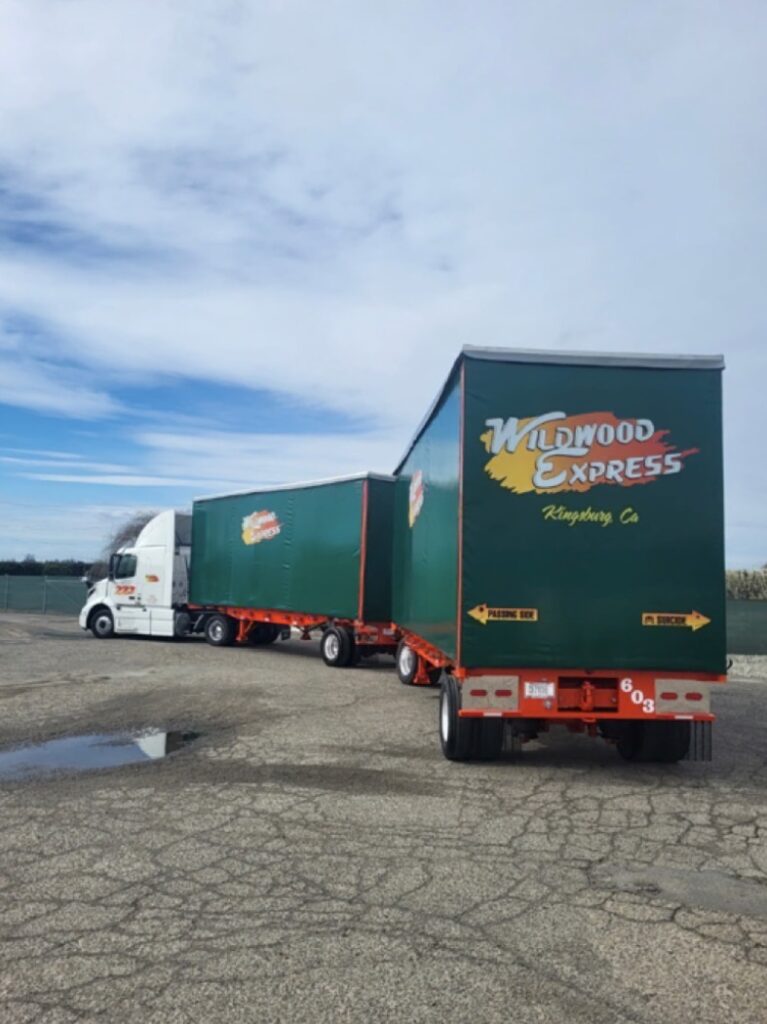
Although Wildwood Trucking remains busy hauling agricultural products throughout California and Arizona, increasing fuel costs have forced difficult decisions. Like many transportation companies, Wildwood Trucking delayed passing fuel increases on to customers for as long as possible before implementing surcharges.
Woods emphasized that truckers, farmers, shippers, and receivers are all feeling the impact of inflation and higher operating costs.
“We’re all in this thing together,” Woods explained.
For agriculture, transportation costs directly impact profitability. Every increase in fuel prices eventually affects growers, distributors, and consumers.
Arizona Provides a Different Business Environment
Wildwood Trucking operates extensively in Arizona during the winter growing season, supporting agricultural customers that move production from California’s Salinas Valley to Yuma.
According to Woods, lower fuel prices and a less complicated regulatory environment make Arizona easier to operate in.
The annual migration allows trucking companies to continue serving agricultural customers year-round while adapting to seasonal production cycles.
Insurance Costs Create Another Layer of Pressure
In addition to fuel prices, Woods highlighted insurance as one of the trucking industry’s biggest concerns.
Insurance costs continue to rise while businesses face increasing liability exposure. New insurance models are changing how trucking companies manage risk, forcing owners to adapt to an evolving marketplace.
For many transportation companies, insurance expenses now rival fuel costs as one of the most significant operational challenges.
Ellington Smith Breaks Down California’s Fuel Tax Burden
Energy analyst Ellington Smith joined the conversation to discuss California’s fuel tax structure and energy policies.
Smith argued that California motorists and businesses pay significantly more at the pump than consumers in many other states due to a combination of state taxes, federal taxes, environmental fees, and other regulatory costs.
Because trucking and agriculture rely heavily on fuel, these expenses ripple throughout the supply chain and increase costs for nearly every sector of the economy.
Why Refinery Closures Matter to Farmers
One of Smith’s most significant concerns involves California’s shrinking refinery capacity.
While refineries are commonly associated with gasoline production, Smith explained that they also produce important byproducts used throughout agriculture and industry.
These products include:
- Sulfur used in fertilizer production
- Industrial chemicals
- Medical manufacturing materials
- Plastics
- Semiconductor production inputs
As refinery capacity declines, Smith believes supply chain challenges could extend well beyond fuel prices.
For agriculture, fertilizer and other refinery-derived products remain essential to production.
Regulatory Challenges Continue to Grow
Both Woods and Smith discussed the increasing regulatory burden placed on California businesses.
Smith specifically highlighted the extensive compliance requirements facing farmers today. Many growers must navigate significant paperwork, reporting requirements, and regulations while already dealing with labor shortages, water concerns, and rising production costs.
Reducing regulatory burdens, Smith suggested, could provide meaningful relief to California agriculture.
Optimism for California’s Future
Despite the challenges, Woods remains optimistic about California’s future.
He believes farmers, truckers, manufacturers, and business owners possess the experience and determination necessary to overcome obstacles and strengthen the state’s economy.
Woods also pointed to the significant environmental improvements made by the trucking industry over the years, noting that modern diesel engines produce dramatically fewer emissions than previous generations.
California agriculture and transportation, he believes, can continue supporting both environmental stewardship and economic growth.
The Critical Role of Trucking in Agriculture
The conversation served as a reminder that every agricultural product depends on transportation.
From fresh produce and dairy products to nuts, grains, and livestock feed, trucks connect farms to processors, retailers, and consumers across the country.
Without a strong trucking industry, agriculture simply cannot function.
As fuel prices, regulations, insurance costs, and infrastructure concerns continue to dominate discussions, the future of trucking remains closely tied to the future of farming.
Listen to the Full Interview
This article only scratches the surface of the insightful conversation between The Ag Meter’s Nick Papagni, Mark Woods of Wildwood Trucking, and energy expert Ellington Smith.
Their discussion dives deeper into California fuel taxes, refinery closures, trucking economics, agricultural regulations, and the policies shaping the future of the state’s economy.
If you’re a farmer, rancher, trucker, agribusiness professional, or simply concerned about the future of California agriculture, you’ll want to hear the complete interview.
Be sure to listen to the full conversation on The Ag Meter to gain valuable insights from two industry voices who are living these challenges every day and working toward solutions for California’s agricultural future.