











California’s pear industry may be smaller than it once was, but its growers are fighting harder than ever to preserve the quality, reputation, and future of one of the state’s most historic crops. During a recent interview with “The Ag Meter” Nick Papagni, sat down with Chris Zanobini, executive director of the California Pear Advisory Board, to discuss the challenges facing California pear growers, the controversy surrounding imported fruit, and why consumers should pay close attention to the pears they purchase this summer.
One of the biggest concerns discussed during the interview was the increasing presence of imported pears from countries like Argentina and Chile. According to Zanobini, many imported pears are treated with a ripening inhibitor known as 1-MCP, a product designed to extend shelf life but one that often leaves consumers frustrated with pears that remain hard and never properly ripen. California growers made a commitment years ago not to use 1-MCP because they believe consumers deserve pears that naturally ripen into the sweet, juicy fruit they expect. Zanobini explained that inferior fruit in the marketplace can damage the reputation of pears overall, even when California growers are producing premium-quality fruit.
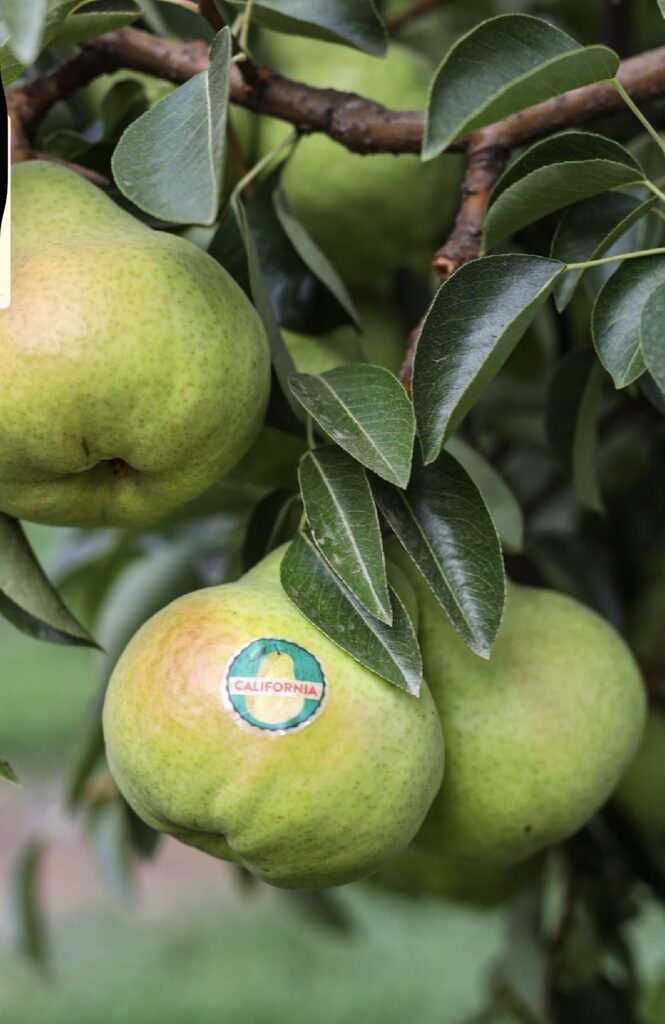
Papagni strongly defended California growers throughout the interview, encouraging shoppers to specifically seek out California-grown pears instead of mistakenly purchasing imported fruit. Zanobini noted that California pears will clearly display PLU stickers identifying them as “California Grown” or “USA,” making it easier for consumers to support domestic agriculture.
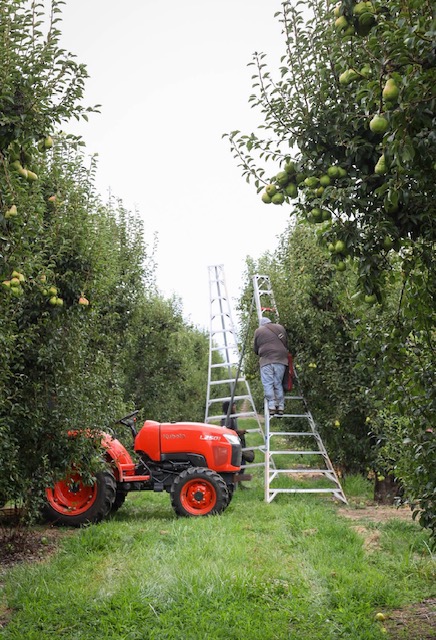
The numbers surrounding California pear production reveal just how much the industry has changed over the years. In 2000, California produced roughly 320,000 tons of Bartlett pears with hundreds of growers spread throughout the state. Today, only about 50 growers remain, farming approximately 4,000 acres and producing around 106,000 tons annually. Despite those declines, many of California’s remaining pear farms are operated by fifth- and sixth-generation farming families committed to preserving the industry for future generations.
There is optimism surrounding the upcoming pear season, however. Because bloom occurred nearly two weeks early, California Bartlett pears are expected to arrive in stores by late June, potentially giving growers an advantage if imported fruit clears out of the marketplace in time. Zanobini said the industry is already working closely with retailers and trade partners to prepare stores for the early harvest window. He believes consumers will appreciate both the quality and affordability of California pears during a time when grocery prices remain high.
The interview also highlighted the innovative farming practices California pear growers continue using to protect fruit quality. One major example is the industry’s long-standing use of mating disruption to control codling moth populations. Rather than relying heavily on pesticides, growers use scent-based lures that confuse male moths and prevent reproduction, significantly reducing crop damage while minimizing chemical applications. Zanobini explained that although weather conditions this year have been unusual, pears remain a resilient crop, and growers are optimistic about overall quality heading into harvest.
Like many sectors of California agriculture, pear growers continue struggling with rising labor costs, fuel prices, water expenses, freight, fertilizer, and increasing regulations. Zanobini revealed that California pears currently average about $10 more per box than imported pears due to the significantly higher costs associated with farming in California. Both Zanobini and Papagni argued that California growers deserve fair compensation for producing high-quality fruit under some of the strictest agricultural standards in the world.
The conversation also expanded into broader issues facing California agriculture, including labor shortages and government support for specialty crop farmers. Zanobini pointed out that while billions of dollars in federal aid have been distributed to agriculture nationwide, only a small portion reached specialty crop growers. He emphasized that farmers are not looking for handouts — they simply want the ability to grow excellent crops and receive fair market prices for their work.
Despite the many challenges facing the industry, Zanobini remains optimistic about the 2026 California pear season. He expects strong supplies, excellent fruit quality, and an early harvest that could provide fresh California pears from the Fourth of July through late September and potentially into October. Most importantly, he encouraged consumers to continue supporting California agriculture by purchasing domestically grown pears whenever possible.
For more information about California pears, grower resources, recipes, and industry updates, visit California Pear Advisory Board.
As the interview concluded, Zanobini left listeners with a simple but important reminder: “Come the end of June, eat pears.” And more specifically, eat California pears.