









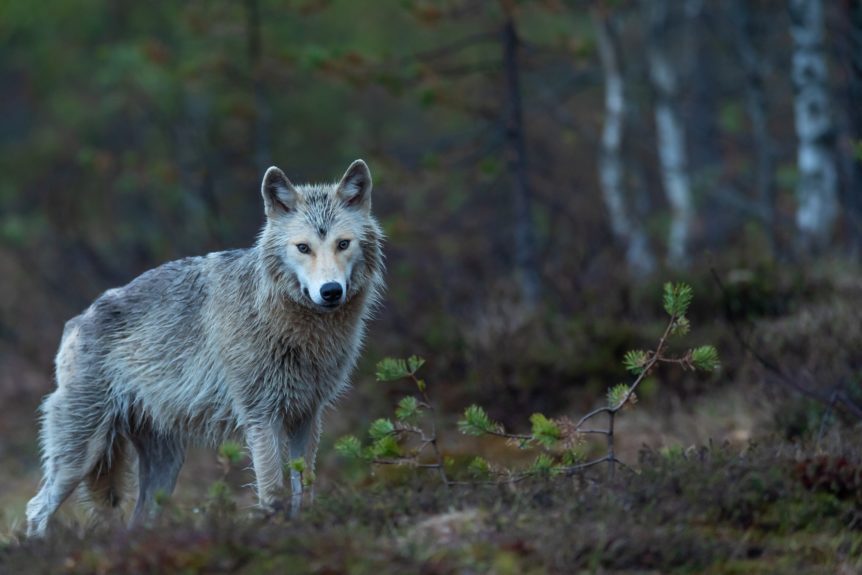
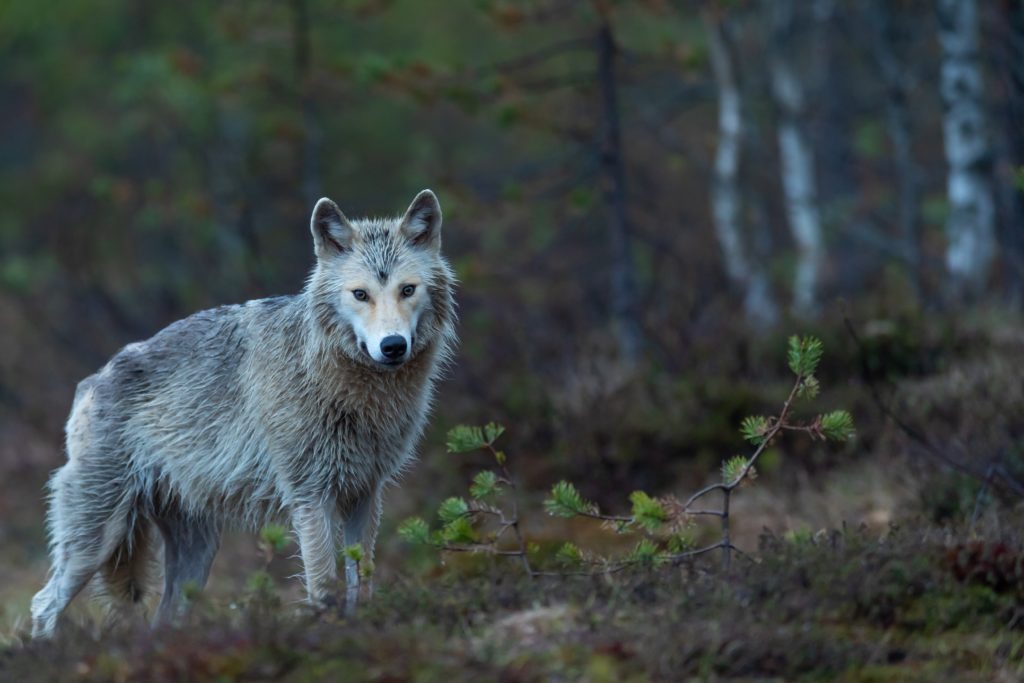
New research is providing additional insight into how California gray wolves are affecting livestock operations across the state. A recent report highlighted two University of California studies showing that gray wolves are relying heavily on cattle as a food source while also contributing to elevated stress levels in livestock herds.
The findings add new scientific data to an issue that has been a growing concern for ranchers as wolf populations expand into more areas of California. Researchers examined both wolf diet and the physiological effects wolves may have on nearby cattle, offering a more complete picture of predator-livestock interactions.
California Gray Wolves Linked to Cattle Predation
One University of California study analyzed wolf scat collected from the Lassen and Harvey packs to better understand feeding habits.
Researchers found cattle DNA in 72% of the samples, a significantly higher rate than mule deer, which appeared in fewer than half of the samples. According to researchers, the results suggest cattle are making up a substantial portion of the wolves’ diet in these regions.
A University of California, Davis economist noted that keeping wolves separated from livestock is especially difficult because of California’s expansive working landscapes and the limited availability of natural prey in some areas.
The research underscores the management challenges ranchers face as wolf territories continue to expand.
California Gray Wolves May Affect Herd Performance
A second University of California study focused on the impact wolves may have even when direct predation is not occurring.
Researchers measured cortisol levels in cattle tail hair and found herds living in areas with wolves had 58% higher stress levels than cattle raised in wolf-free areas.
Scientists say prolonged, or chronic, stress can influence cattle production and may also affect reproductive performance over time. Those findings reinforce long-standing concerns expressed by livestock producers who have argued that wolf impacts extend beyond documented livestock losses.
As gray wolf populations continue to grow in California, the new research is expected to play a role in ongoing discussions surrounding wildlife management, livestock protection and future conservation policies.
Hear more about the latest California gray wolf research and what it could mean for livestock producers by listening to the report below.