








California’s Fishing Families Face an Uncertain Future
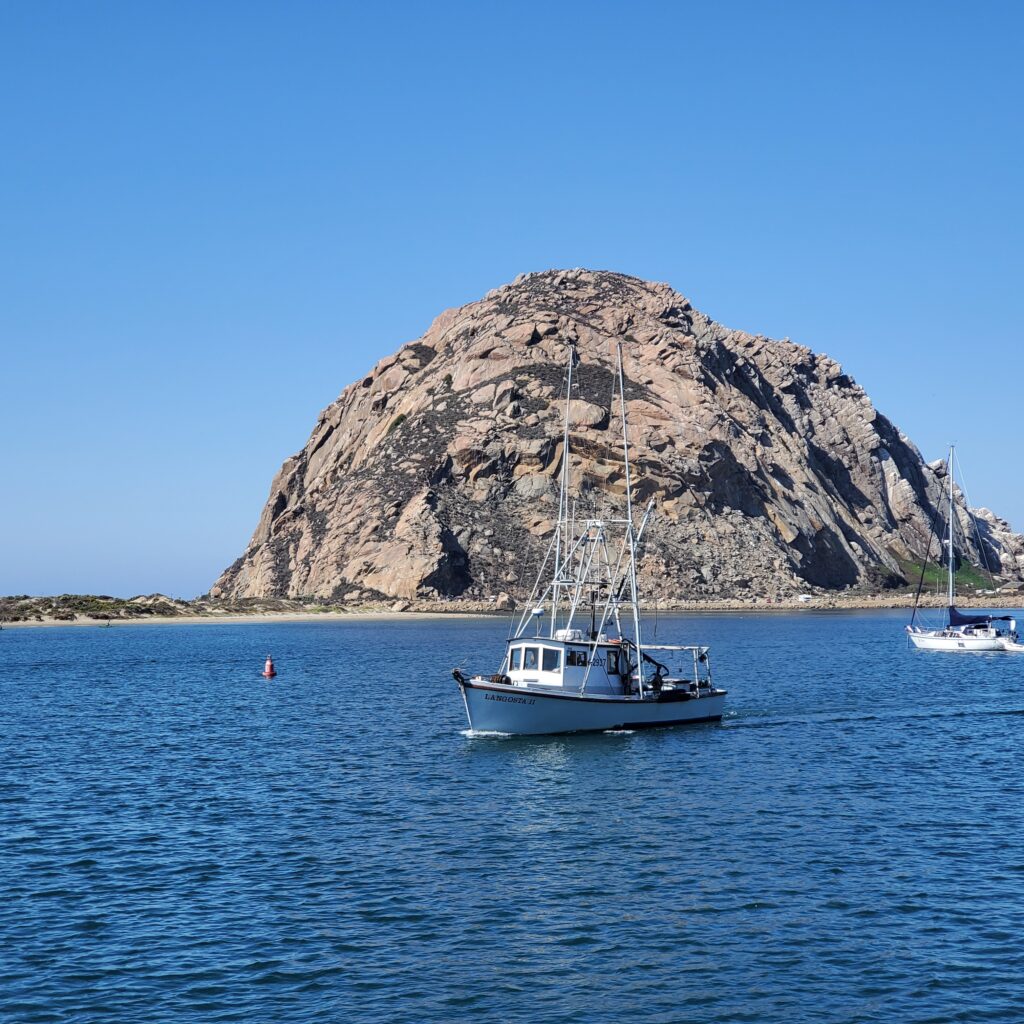
California’s commercial fishing industry is navigating some of the most difficult waters in its history. During an eye-opening interview with “The Ag Meter” Nick Papagni, longtime commercial fisherman and industry advocate Lori French of Morro Bay explained how increasing regulations, shrinking fishing opportunities, rising operating costs, and aging infrastructure are threatening a way of life that has sustained California’s coastal communities for generations.
While many Californians understand the challenges facing agriculture, French believes commercial fishermen are experiencing many of the same struggles—often with even greater uncertainty. Her conversation offers listeners an inside look at an industry that quietly provides food for America while fighting to remain viable.
A Fleet That Continues to Shrink
French shared sobering statistics illustrating the industry’s decline. California issued nearly 6,000 commercial fishing licenses in 2020, but that number has dropped to roughly 3,300 in 2026. Commercial fishing vessels have also declined significantly, falling from nearly 3,000 registered boats to just over 2,200.
According to French, state closures of multiple fisheries have forced many fishermen to leave the profession entirely, while others struggle to adapt by pursuing smaller fisheries with limited opportunities.
Perhaps most concerning is the loss of the next generation.
Although many young men and women grew up working aboard their family’s fishing boats, unstable incomes and uncertain seasons have driven many toward more predictable careers. French explained that both of her sons fished their way through college, but like many others, eventually pursued different paths because commercial fishing no longer provided dependable financial security.
Infrastructure Is Disappearing Along the Coast
The decline extends well beyond the boats themselves.
French explained that Morro Bay has lost fish buyers, professional fish processors, marine supply stores, and much of the infrastructure needed to support a working waterfront. Fuel costs continue climbing, recently approaching seven dollars per gallon, while many essential marine supplies must now be shipped from Northern California or Washington.
She noted that commercial fish landings have declined dramatically over the past decade, creating a ripple effect that threatens every business connected to the fishing industry.
Regulations Continue to Reshape California Fisheries
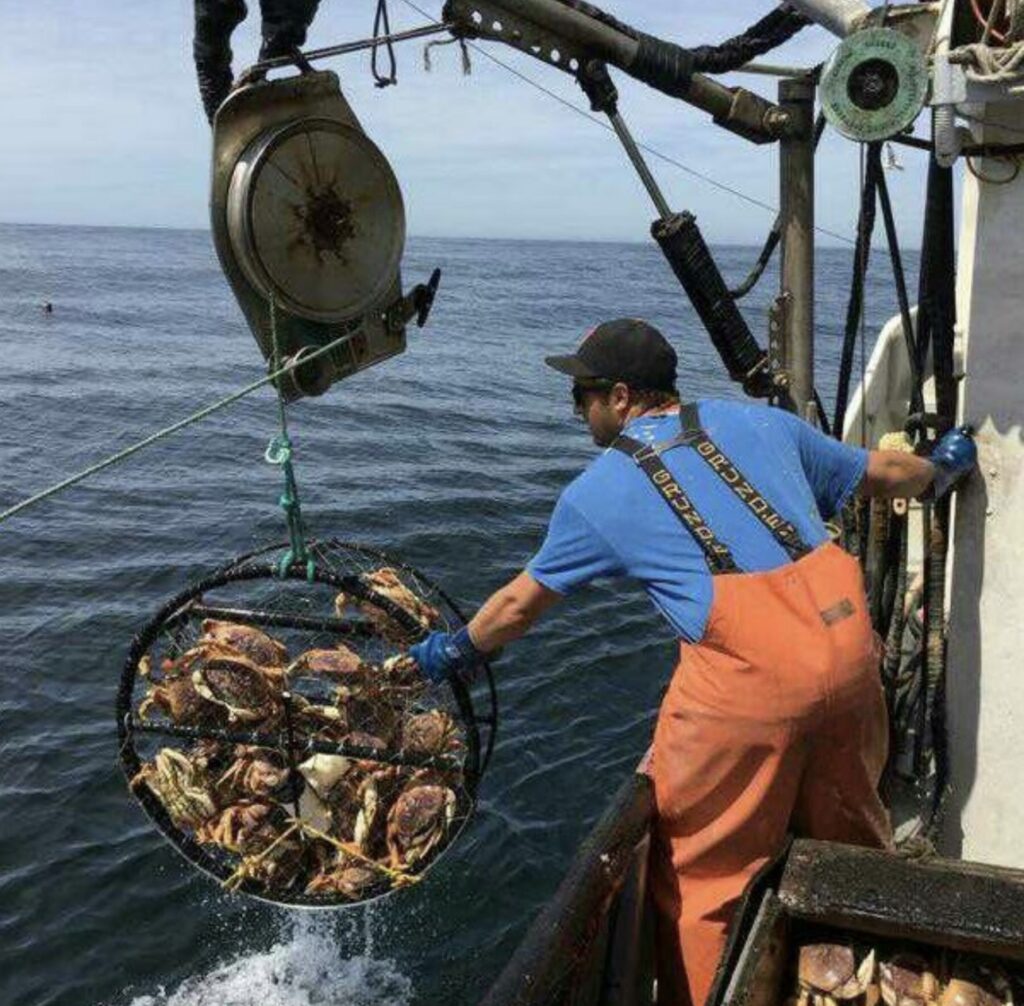
French discussed how shortened seasons and environmental restrictions have dramatically affected both the Dungeness crab and salmon fisheries.
Crab seasons that once stretched from mid-November through June are now often delayed until January, leaving fishermen with only a few weeks to earn much of their annual income.
Similarly, California’s salmon fishery recently reopened after three consecutive years of closure but now operates under limited harvest windows and strict statewide catch limits.
French emphasized that commercial fishermen support sustainable fisheries but believe current regulations have become increasingly difficult for family businesses to survive.
Proposed Marine Protected Areas Raise New Concerns
One of the largest concerns discussed during the interview involves proposed Marine Protected Areas along California’s Central Coast.
French expressed concern that new protected areas near Morro Bay could eliminate access to some of the region’s most productive commercial and recreational fishing grounds while creating significant economic impacts for local fishermen, tourism, hotels, restaurants, campgrounds, and other small businesses that depend on fishing activity.
She also questioned the lack of public outreach and socioeconomic studies evaluating how previous marine closures have affected coastal communities.
Agriculture and Fishing Share the Same Challenges
Growing up in California’s Central Valley, French understands both agriculture and commercial fishing.
Her family raised cattle and almonds before she later became involved in commercial fishing, and today she and her husband also manage a small avocado orchard on the Central Coast.
She believes farmers and fishermen face many of the same regulatory burdens and stressed that both industries are essential to America’s food security.
“We’re all food producers,” she explained. “We all need that water.”
America Imports Most of Its Seafood
One of the interview’s most eye-opening discussions centered on seafood imports.
French estimated that the overwhelming majority of seafood consumed in the United States is imported despite America’s extensive coastline and abundant fisheries.
She encouraged consumers to support American commercial fishermen whenever possible and discussed the noticeable quality differences between wild-caught seafood and many imported farm-raised products.
Using king salmon, sockeye salmon, shrimp, and crab as examples, she explained how careful handling, freshness, and sustainable harvesting produce superior seafood that often requires little seasoning because of its natural flavor.
A Family Bound by the Ocean
Beyond the economics and politics, French described commercial fishing as a close-knit community built on trust.
Fishermen regularly lend vehicles, share equipment, house each other’s children during job interviews, and immediately respond whenever an emergency beacon is activated at sea.
“We don’t always get along,” French said, “but we’re family.”
She believes that spirit of cooperation remains one of the industry’s greatest strengths despite the many challenges fishermen now face.
Every Boat Is a Small Business
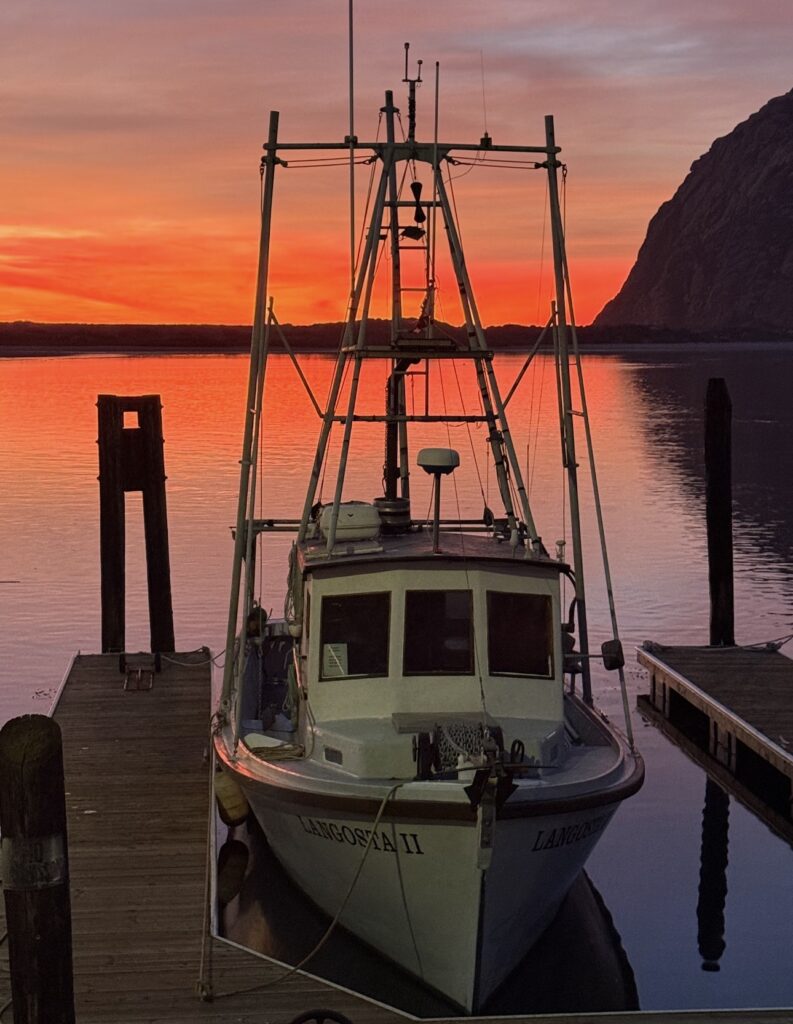
French reminded listeners that every commercial fishing vessel represents an independent small business supporting families, crews, suppliers, processors, mechanics, fuel docks, restaurants, and coastal economies throughout California.
She explained that many fishermen now sell seafood directly from their boats while others market through wholesalers such as Pacific Seafood and Pac Choice, depending on market demand.
Whether harvesting Dungeness crab, king salmon, squid, halibut, or rockfish, California’s commercial fishermen remain committed to providing safe, sustainable, high-quality American seafood.
Don’t Miss the Full Conversation
This interview offers far more than a discussion about fishing. It provides a firsthand look at the similarities between California’s farming and fishing industries, explores the importance of domestic food security, and highlights the challenges facing small family businesses that help feed America.
If you care about agriculture, water policy, food production, or California’s coastal economy, this conversation between “The Ag Meter” Nick Papagni and Lori French is well worth listening to in its entirety.
Contact Lori French
Lori French welcomes questions about California’s commercial fishing industry.
Email: mbcrabber@gmail.com