








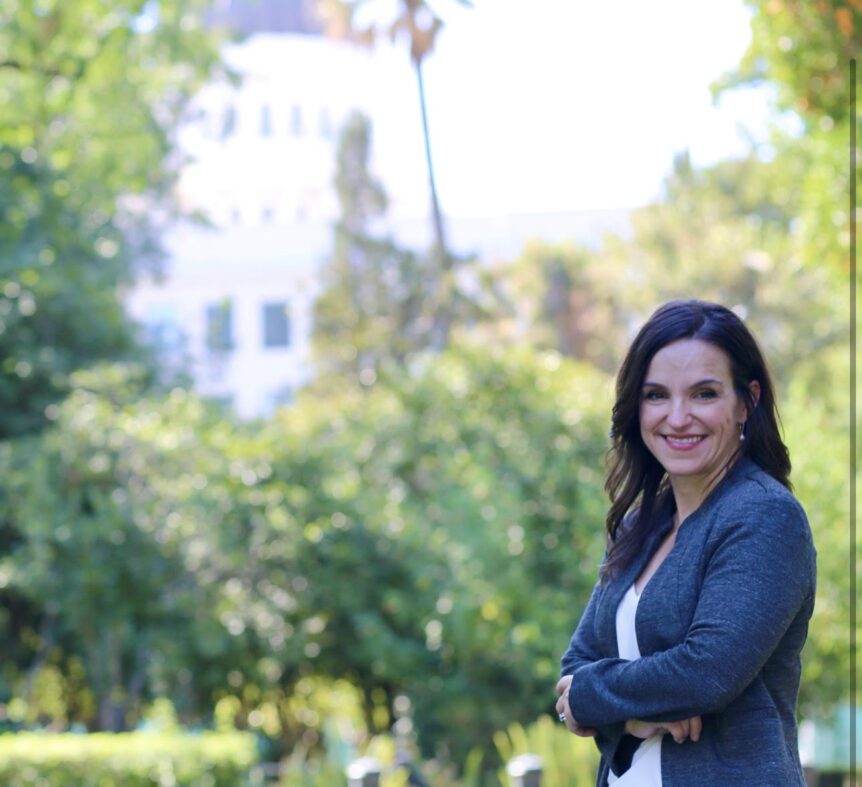
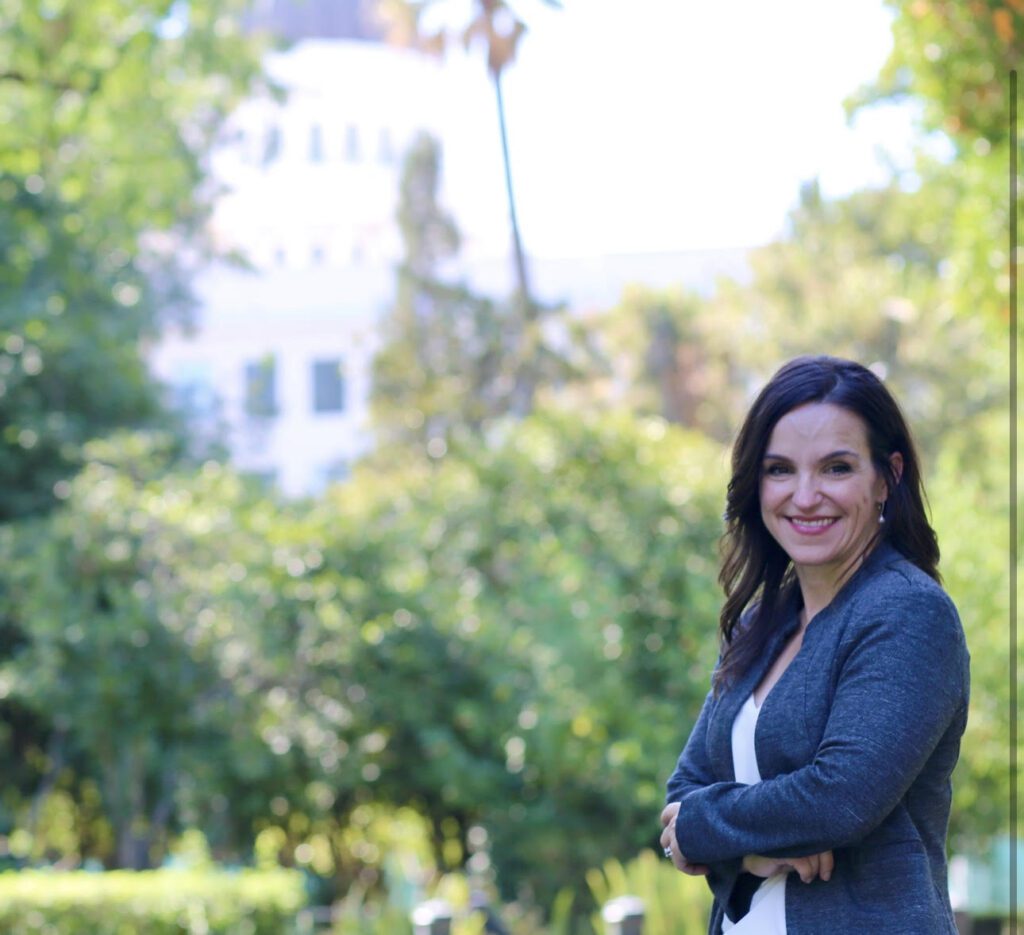
California agriculture sits at the intersection of innovation, regulation, and global food production—and few understand that balance better than Emily Rooney, president of Agricultural Council of California. In a wide-ranging conversation with Nick Papagni on The Ag Meter, Rooney offered a candid look at the challenges shaping the industry—and why this moment is so critical for farmers across the Golden State.
Representing the Backbone of California Agriculture
Agricultural Council of California, founded in 1919, represents farmer-owned businesses spanning dairy, almonds, citrus, dried fruits, and nursery production. Its members include industry leaders like Dairy Farmers of America, Land O’Lakes, Blue Diamond Growers, Sunkist Growers, Sun-Maid, and Sunsweet Growers.
For nearly 18 years, Rooney has helped lead advocacy efforts for these organizations, navigating complex policy issues in Sacramento while ensuring agriculture maintains a strong voice.
Advocacy in an Urban Political Landscape
With more than 95% of Californians living in urban areas, Rooney emphasized that many policymakers are far removed from farming realities. Still, she noted that most legislation impacting agriculture isn’t intentionally harmful, it’s often the result of unintended consequences.
That’s why education is such a critical part of the job. Rooney estimates that two-thirds of her work involves helping lawmakers understand everything from dairy practices to water use and energy efficiency. That effort has led to meaningful wins, including programs that fund emissions reductions and energy improvements in food processing facilities.
Sustainability Through Investment, Not Punishment
California farmers are under increasing pressure to reduce their environmental footprint, particularly in greenhouse gas emissions. Rooney pointed to successful incentive-based programs, like equipment modernization and dairy methane reduction, as proof that collaboration works better than mandates.
These programs not only help agriculture meet climate goals but also support rural economies, especially in disadvantaged communities tied to food processing.
Small Farms Feeling the Squeeze
Despite progress, the cost of doing business in California continues to rise. Regulations, labor costs, and compliance burdens are making it harder for small and mid-sized farms to survive.
Rooney stressed that scale is becoming essential in today’s environment, but advocacy groups like the Agricultural Council remain committed to protecting family farms and ensuring long-term viability.
A Pivotal Election Year for Agriculture
With a major gubernatorial race underway, Rooney described this as one of the most important elections in recent memory for agriculture. Across party lines, candidates have acknowledged the need for regulatory reform, something she says is long overdue.
Affordability is the driving issue, impacting everything from housing to food prices. For agriculture, that means balancing environmental goals with economic realities.
Water, Infrastructure, and CEQA Reform
Water remains a top concern. Rooney highlighted the long-delayed Sites Reservoir as a key project that must move forward to secure California’s water future.
She also pointed to efforts to reform the California Environmental Quality Act, which often slows or blocks critical infrastructure projects. A new ballot initiative backed by a broad coalition aims to streamline approvals for water, energy, and transportation projects—offering hope for long-needed progress.
The Plastics Challenge: A Ticking Clock
One of the most pressing issues today is California’s plastics law (SB 54), requiring all single-use plastics to be recyclable or compostable by 2032.
Rooney didn’t mince words: the infrastructure simply isn’t there yet.
While agriculture supports environmental goals, the lack of recycling systems, and the cost of compliance, could ripple across the food supply chain. From milk jugs to packaging, these changes could impact everything consumers see at the grocery store.
And because farmers are often “price takers,” they may end up absorbing costs they didn’t create.
Federal vs. State Tensions
Rooney also addressed the complicated relationship between federal and state governments. When political leadership aligns, funding opportunities increase. When it doesn’t, California often responds with its own regulations, adding another layer of complexity for agriculture.
Either way, the need for strong leadership and collaboration remains critical.
Rooted in Agriculture
Rooney’s perspective is grounded in personal experience. Raised in a farming family near Lodi, she comes from generations of ranchers and crop producers. Today, she still spends weekends working cattle, staying closely connected to the land she represents.
Her path, from Washington, D.C. internships to the California Farm Bureau and ultimately the Agricultural Council, reflects a lifelong commitment to agriculture and policy.
Why Engagement Matters
For farmers and agribusiness leaders, staying informed has never been more important. Rooney emphasized that membership in the Agricultural Council provides early insights into policy changes, strong advocacy, and valuable networking opportunities with industry leaders.
From working groups tackling plastics regulations to discussions on the governor’s race, collaboration is key to navigating today’s challenges.
A Message to Farmers
Rooney closed with a heartfelt message: agriculture is facing extraordinary pressure, but its role has never been more important.
Farmers continue to produce some of the most nutritious and affordable food in the world, despite mounting obstacles. Their resilience, she says, is what keeps the industry moving forward.
Get Connected
To learn more or get involved with Agricultural Council of California, visit:
Don’t Miss the Full Interview
This conversation only scratches the surface. To hear the full, in-depth discussion between The Ag Meter, Nick Papagni, and Emily Rooney—including deeper insights on regulation, water, and the future of California agriculture—be sure to listen to the complete interview. It’s a must-hear for anyone invested in the future of farming.