









American agriculture is often remembered through the expansion of row crops, livestock production, and the hardworking farm families who helped build the nation. But agriculture also fueled the rise of many other industries that became part of everyday American life — including candy-making.
According to historian Mark Oppold in today’s American Agriculture History Minute, the roots of candy in America trace all the way back to the 13 original colonies, where early settlers blended European traditions with agricultural products grown and traded in the New World.
Agriculture’s Early Role in America’s Candy Industry
As colonial America expanded, crops such as corn and sugar cane became increasingly important to the developing economy. These agricultural commodities were not only used for food production, but also for creating sweets and confections that became popular among settlers.
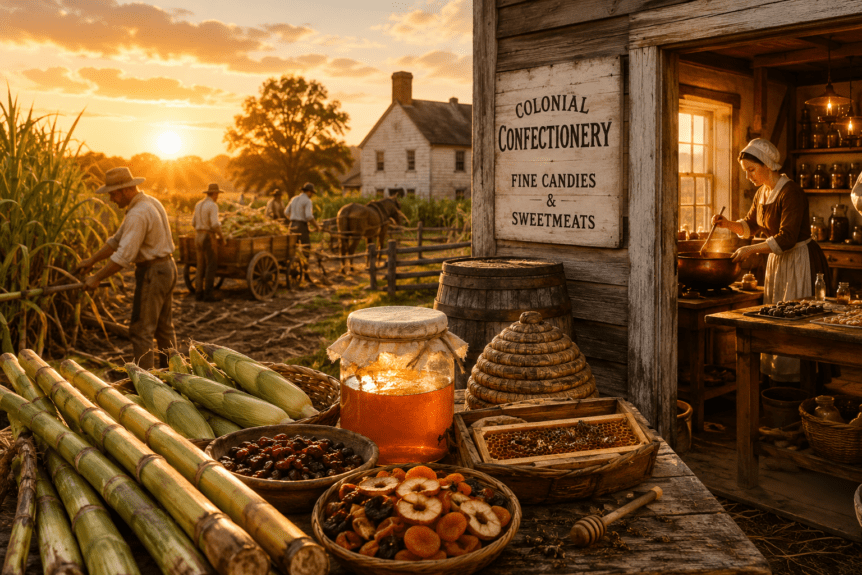
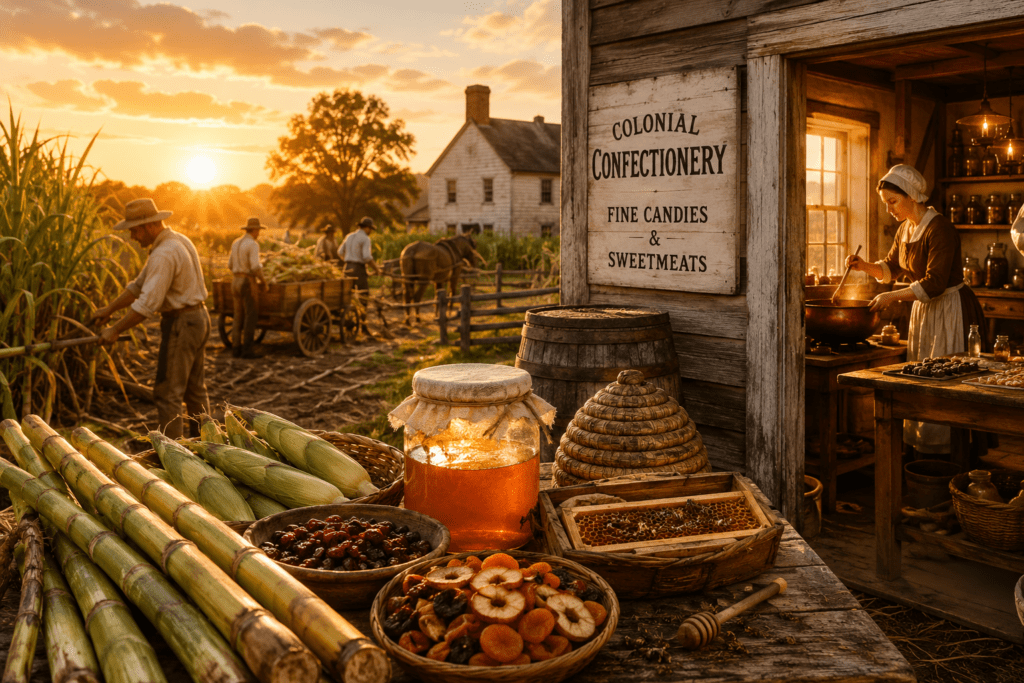
Early American candies were simple by today’s standards. Most were handmade using ingredients that were widely available through farming and trade, including:
- Boiled sugar
- Molasses
- Honey
- Dried fruits
These ingredients reflected the strong connection between agriculture and food innovation in early America. Farmers and producers supplied the raw materials that allowed local confectioners and home cooks to create treats that quickly became part of colonial culture.
European Traditions Influence Colonial Candy-Making
Many early settlers brought confectionery traditions from Europe to the American colonies. Recipes and techniques that had been passed down for generations were adapted using locally available agricultural products.
Molasses, in particular, became a staple sweetener in colonial America because it was more accessible and affordable than refined sugar. Honey also played a major role in early candy recipes, especially in rural farming communities where beekeeping was common.
These early sweets were often enjoyed during holidays, celebrations, and special gatherings, making candy an important cultural connection for immigrant families adjusting to life in the colonies.
The Gibraltar: America’s First Commercially Sold Candy
One of the most fascinating pieces of American candy history is the story of the Gibraltar, considered one of the first commercially sold candies in the United States.
The Gibraltar was a hard candy created by Mrs. Mary Spencer in Salem, Massachusetts. Handmade using traditional methods, the candy became well known in colonial New England and remains a historic symbol of America’s earliest confectionery industry.
Its creation highlights how agriculture and entrepreneurship worked hand in hand during America’s early years. Sugar, molasses, and other farm-derived ingredients helped create products that would eventually grow into a massive American candy industry.
From Colonial Sweets to a Modern Industry
What began as simple boiled sweets in the colonies eventually evolved into one of America’s largest food industries. Today, candy manufacturing relies heavily on agricultural products including:
- Corn syrup
- Sugar beets
- Sugar cane
- Dairy products
- Cocoa imports
- Fruit flavorings
The connection between farming and confectionery production remains strong, proving that agriculture’s influence extends far beyond traditional crops and livestock.
As Mark Oppold reminds listeners, the story of American agriculture includes not only the farms and ranches that fed the nation, but also the industries and innovations those farms helped inspire.
Conclusion
The history of candy in America is deeply tied to the growth of agriculture in the original colonies. From simple sweets made with honey and molasses to the creation of the Gibraltar hard candy in Salem, Massachusetts, early American confectionery reflected the ingenuity of settlers and the importance of farm-grown ingredients.
America’s agricultural legacy continues to shape industries both large and small — including the sweet treats enjoyed by millions today.