









During an interview with “The Ag Meter” Nick Papagni, USDA Undersecretary for Farm Production and Conservation Richard Fordyce provided an in-depth update on several major initiatives shaping American agriculture. From launching the new SPUR initiative to strengthen independent beef processors to combating the New World screwworm and implementing provisions of the One Big Beautiful Bill, Fordyce outlined how USDA is working to support farmers and ranchers across the country.
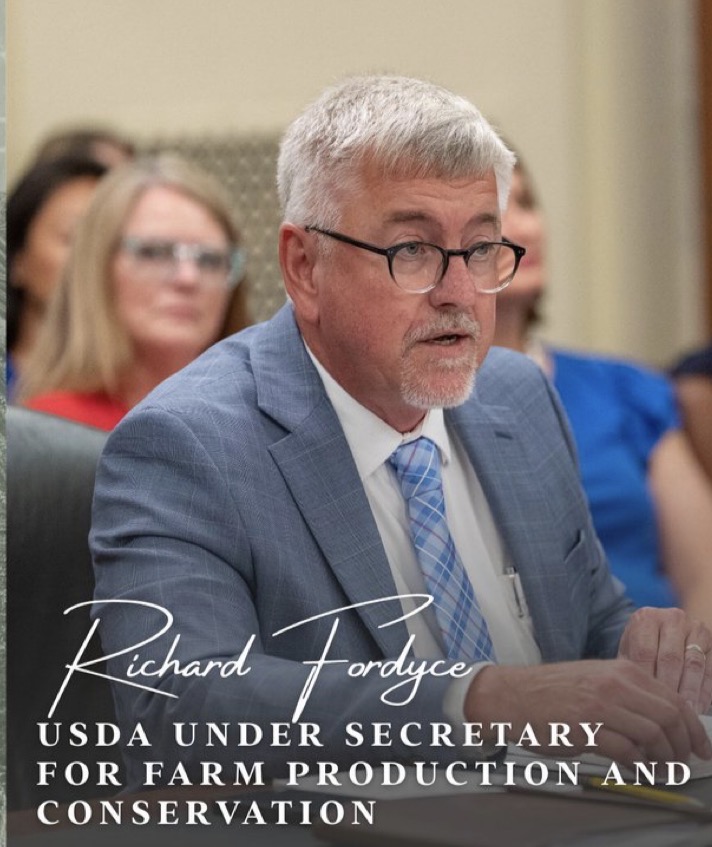
A fourth-generation Missouri farmer, Fordyce emphasized that practical farming experience remains the foundation of his leadership at USDA. Throughout the interview, he repeatedly stressed that effective agricultural policy begins by listening directly to producers.
Agriculture Takes Center Stage in Washington
The conversation began with a discussion about the intense summer heat in Washington, D.C., where temperatures were nearing 100 degrees with oppressive humidity. Despite the weather, Fordyce highlighted the Great American State Fair, an agriculture-focused event held on the National Mall featuring exhibits from all 50 states and several U.S. territories.
The event showcases state agricultural displays, USDA educational exhibits, livestock demonstrations, rodeos, and interactive pavilions designed to educate consumers about where their food comes from. Fordyce said the fair is an excellent opportunity to highlight the importance of agriculture and the people who produce America’s food supply.
SPUR Initiative Aims to Strengthen Independent Beef Processors
One of the interview’s biggest topics was USDA’s newly announced SPUR initiative, designed to help America’s small and medium-sized beef processors remain competitive.
Fordyce explained that while four large companies currently process approximately 85% of U.S. beef, the remaining 15% is handled by independent processors that serve local grocery stores, restaurants, farm-to-table businesses, and premium branded beef markets.
These family-owned businesses provide critical marketing opportunities for cattle producers while preserving local food systems.
Working alongside USDA Secretary Brooke Rollins and the White House, Fordyce said USDA has spent months developing strategies that will help these processors survive while the nation’s cattle herd rebuilds from historically low numbers.
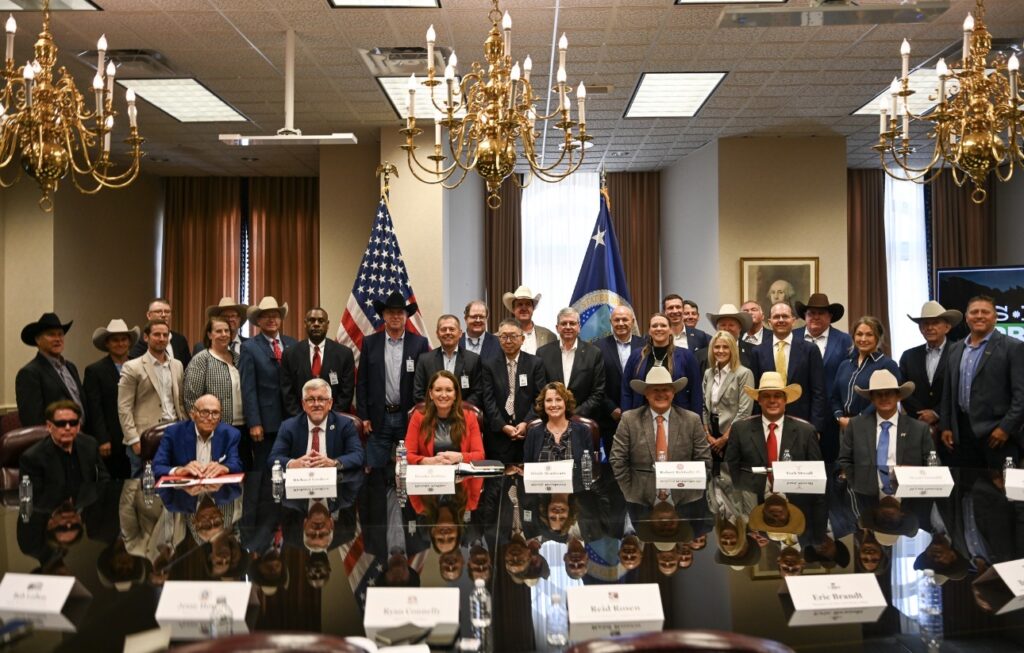
A recent USDA roundtable brought together processors, their families, USDA officials, Food Safety leadership, and White House advisors to discuss long-term solutions.
Fordyce described these operations as the kind of multi-generational American businesses that deserve continued support because they represent entrepreneurship, family heritage, and rural economic strength.
California Agriculture Remains a USDA Priority
Papagni praised Fordyce for recognizing California agriculture’s importance despite ongoing political differences between Sacramento and Washington.
Fordyce responded by noting that California remains America’s most diverse agricultural state, producing more than 400 commodities, including dairy, rice, cotton, beef, pork, fruits, vegetables, and countless specialty crops.
He emphasized that USDA fully understands California’s unique role in feeding the nation and appreciates the complexity involved in supporting such a diverse agricultural economy.
USDA Continues Fight Against New World Screwworm
Fordyce also addressed one of livestock agriculture’s most pressing concerns—the spread of the New World screwworm.
He explained that USDA’s strategy focuses on expanding production of sterile flies, which are released to interrupt the pest’s reproductive cycle and gradually eliminate infestations.
USDA is nearing completion of additional sterile fly production facilities that will dramatically increase output. Combined with close cooperation between the United States and Mexico, Fordyce expressed confidence that the pest can ultimately be pushed back south and eradicated from North America.
He credited USDA’s early surveillance efforts and proactive planning with giving the department nearly a year’s head start in preparing for the current outbreak.
A Farmer Leading Farmers
Papagni noted that Fordyce’s credibility comes from being a lifelong farmer himself.
Fordyce agreed, explaining that while his own Missouri operation focused on corn, soybeans, wheat, and cattle, farming teaches practical problem-solving skills that apply across every sector of agriculture.
Whether working with dairy producers, cotton growers, rice farmers, or specialty crop operations, he believes firsthand farming experience provides valuable perspective when developing federal agricultural policy.
Historic Improvements Through the One Big Beautiful Bill
Fordyce also discussed USDA’s rapid implementation of agricultural provisions included in the One Big Beautiful Bill.
The legislation affects all three agencies within USDA’s Farm Production and Conservation mission area:
- Farm Service Agency (FSA)
- Natural Resources Conservation Service (NRCS)
- Risk Management Agency (RMA)
According to Fordyce, the legislation includes improvements to crop insurance, disaster assistance, agricultural safety net programs, conservation efforts, and producer support tools.
He described many of the provisions as historic, saying USDA expects implementation to be completed quickly so producers can begin benefiting from the new programs.
Expanding Crop Insurance for Specialty Crops
California’s specialty crop industry was another major topic of discussion.
Following difficult losses for California cherry growers this season, Papagni asked about improving crop insurance availability.
Fordyce highlighted the work of RMA Administrator Pat Swanson, also a farmer, who has been meeting directly with specialty crop producers, insurance agents, and industry leaders to develop products that better reflect regional growing conditions and the unique risks facing specialty crop agriculture.
He acknowledged that California’s incredible diversity requires more customized insurance solutions to adequately serve producers across hundreds of commodities.
Staying Connected to Producers
Fordyce emphasized that USDA leadership continues spending significant time traveling throughout the country to meet producers face-to-face.
His schedule includes specialty crop tours in Pennsylvania, visits with apple growers and mushroom producers, agricultural retailer meetings in Missouri, and numerous other producer events throughout the summer.
He also noted that USDA Secretary Brooke Rollins encourages department leadership to remain visible through media interviews, public events, and direct communication with farmers.
For California producers preparing for the challenges of summer, Fordyce encouraged growers to regularly monitor www.farmers.gov for updates on crop insurance, conservation programs, disaster assistance, and other USDA resources.
Looking Ahead
Before concluding the interview, Papagni invited Fordyce to visit California again, joking that he would personally serve as his tour guide. Fordyce welcomed the invitation and reaffirmed his appreciation for California agriculture and his desire to continue learning from producers across the state.
Throughout the conversation, one message remained consistent: USDA leadership believes strong agricultural policy begins by listening to farmers.
Whether discussing beef processing, specialty crops, crop insurance, conservation programs, or livestock health, Fordyce emphasized that practical experience and producer engagement continue guiding USDA’s work to strengthen American agriculture.
Listen to the Full Interview
This article only highlights part of the wide-ranging conversation between “The Ag Meter” Nick Papagni and Richard Fordyce, USDA Undersecretary for Farm Production and Conservation. To hear Fordyce’s complete insights on the SPUR initiative, beef processing, New World screwworm response, specialty crop insurance, and implementation of the One Big Beautiful Bill, be sure to listen to the full interview on AgNet West.
USDA Contact Information
USDA: https://www.usda.gov/
Farmers.gov:https://www.farmers.gov/