









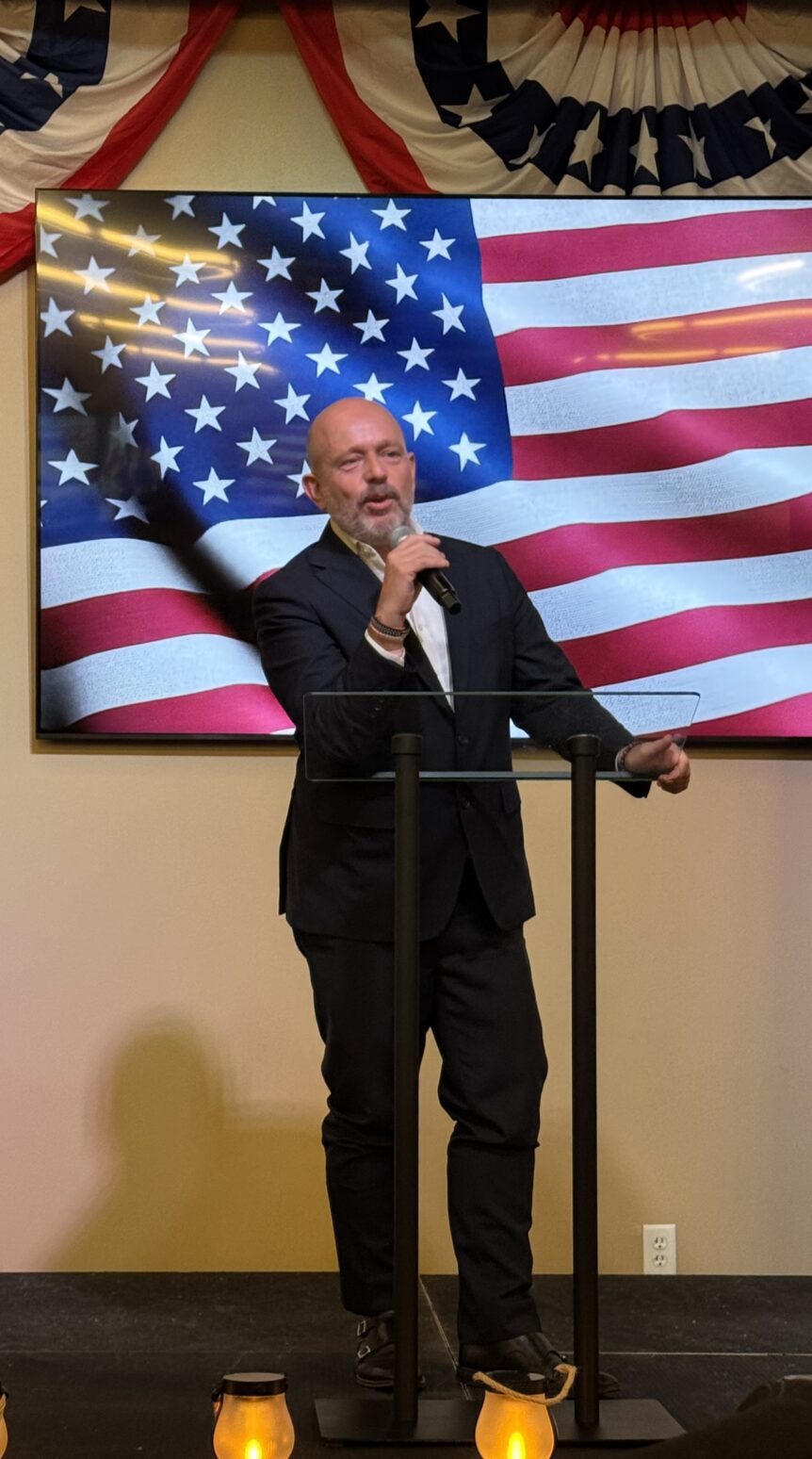
California’s agricultural industry has long been recognized as one of the world’s most productive food-producing regions, but according to California gubernatorial candidate Steve Hilton, state government has spent years making it increasingly difficult for farmers and ranchers to succeed.
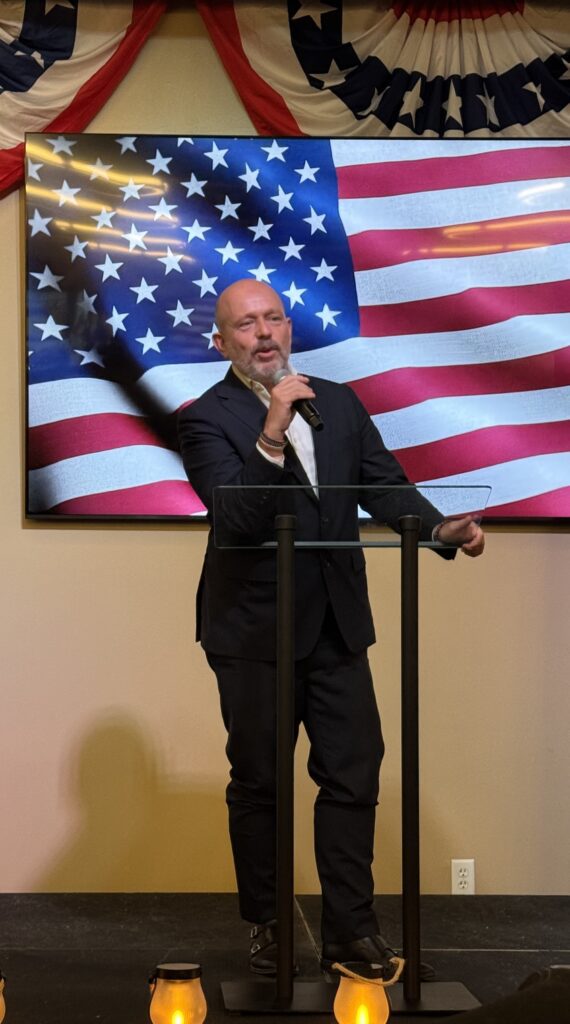
During an extensive interview with Nick Papagni, “The Ag Meter,” Hilton laid out his vision for California agriculture, discussed his campaign for governor, and shared why he believes restoring support for farming should be one of Sacramento’s highest priorities. Throughout the conversation, Hilton also addressed affordability, water policy, energy, infrastructure, government spending, and what he believes must change if California hopes to remain competitive.
The nearly 25-minute interview provides listeners with an in-depth look at Hilton’s priorities while giving California’s agricultural community an opportunity to hear directly from one of the candidates seeking the state’s highest office.
California Agriculture Deserves Better
Hilton began by praising California agriculture as one of the state’s iconic industries, comparing it to Silicon Valley’s technology sector and Hollywood’s entertainment industry. Yet, unlike those industries, he argued agriculture has faced years of increasing regulations, water restrictions, rising labor costs, expensive energy, and deteriorating infrastructure.
Having spent considerable time visiting farming communities throughout California—including the Central Valley, Imperial County, Ventura County, Monterey County, and California’s wine regions—Hilton said he has seen firsthand both the innovation and the challenges facing producers.
He pointed to the World Ag Expo in Tulare as an example of agriculture’s enormous economic impact, noting that the industry extends far beyond growers themselves. Equipment manufacturers, technology companies, processors, suppliers, transportation businesses, and countless support industries all depend on a healthy agricultural economy.
Rather than simply helping farmers survive, Hilton said California should once again position agriculture to thrive.
Family Farms Facing Increasing Pressure
Papagni noted that California agriculture contributes more than $67 billion annually to the state’s economy, questioning why policymakers do not place greater emphasis on protecting such an important industry.
Hilton responded that agriculture’s true value cannot be measured solely in dollars.
Behind every operation, he said, are families—many of whom have farmed the same land for generations. During his travels across California, Hilton said he has repeatedly met producers who have struggled with shrinking water supplies, rising operating costs, and increasing government regulations.
Some, he said, have reluctantly concluded they can no longer continue farming.
Hilton also criticized policies that have resulted in productive farmland being removed from agricultural production and converted into solar developments after irrigation water becomes unavailable. He argued California should prioritize keeping productive farmland in production while protecting family-owned farming operations for future generations.
Agriculture Is Only One Industry Feeling the Impact
The conversation broadened to include California’s energy and commercial fishing industries.
Papagni pointed to declining domestic oil production, increasing reliance on imported crude oil, and the struggles facing California’s commercial fishing fleet. Hilton agreed, saying multiple industries that once helped drive California’s economy have steadily weakened.
He specifically cited California’s avocado industry, noting that the Hass avocado originated in California while imports have grown substantially over the years.
Regarding energy, Hilton questioned the logic of importing oil from overseas while restricting production within California. If Californians continue using petroleum products, he argued, producing more of that energy domestically would benefit both the state’s economy and workforce.
According to Hilton, similar policy decisions have contributed to California having one of the nation’s most difficult business climates while increasing unemployment and reducing economic opportunity.
Government Spending and Infrastructure
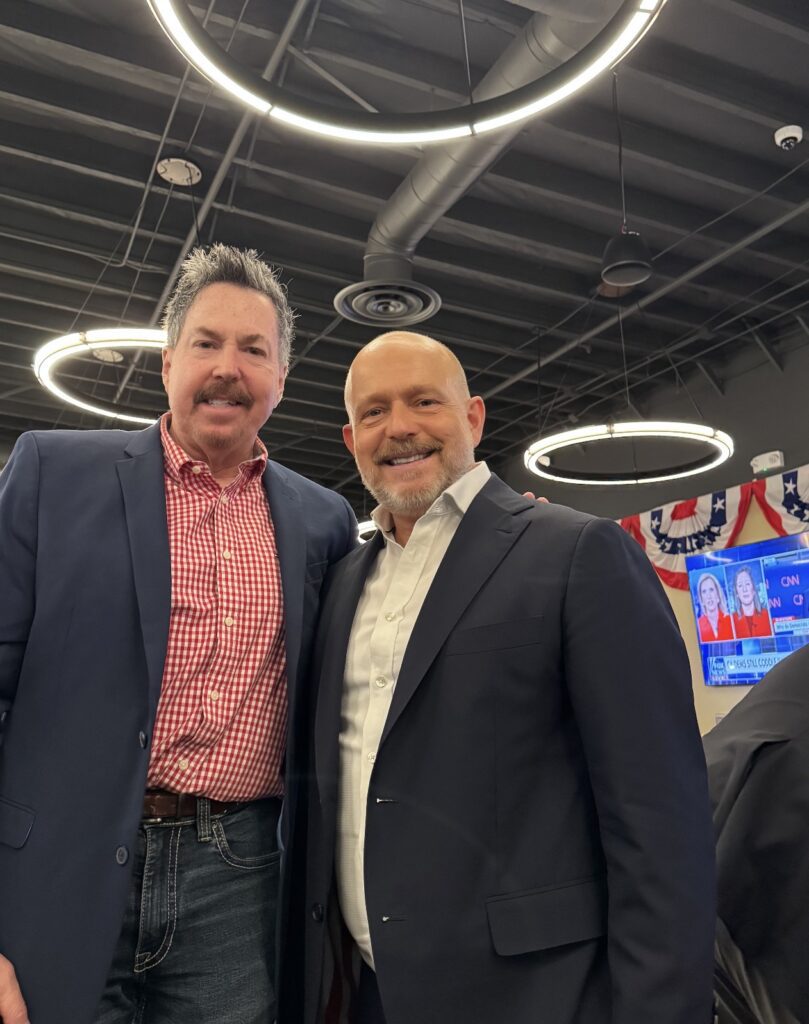
Another major topic focused on California’s spending priorities.
Papagni questioned whether billions spent on homelessness programs and the state’s high-speed rail project could have instead been invested in roads, water infrastructure, and projects directly benefiting Californians.
Hilton sharply criticized what he described as wasteful government spending, arguing taxpayers have paid increasingly higher taxes while receiving fewer services and poorer results.
Among his priorities, Hilton said California should invest in transportation improvements, water storage, highway expansion—including Highway 99—and infrastructure that directly supports economic growth rather than projects he believes deliver little value.
A Campaign Focused on Affordability
Hilton also discussed what he calls his “CalAffordable” plan.
According to Hilton, campaign polling shows many undecided voters are primarily concerned about economic issues rather than partisan politics.
His proposals include:
- Lowering gasoline prices.
- Reducing utility costs.
- Making the first $150,000 of income tax-free.
- Expanding opportunities for first-time homebuyers.
- Improving affordability for working families.
Hilton argued these policies are designed to address the everyday financial pressures facing Californians while creating a stronger business climate capable of supporting long-term economic growth.
Winning Through Voter Participation
Much of the interview focused on voter turnout.
Hilton expressed confidence that Republicans have largely united behind his campaign following the primary election. However, he emphasized that victory depends upon increasing participation among voters who traditionally skip gubernatorial elections.
Rather than simply asking supporters to cast a ballot, Hilton encouraged every voter to recruit at least one additional person to participate.
He repeatedly stressed that increasing voter engagement—not simply campaign messaging—will determine the outcome of November’s election.
The discussion also touched on California’s election process. While Papagni voiced concerns regarding lengthy vote-counting periods, Hilton maintained that election reforms can only occur after voters elect new leadership.
Contrasting Himself With Xavier Becerra
Papagni also asked Hilton about his expected general election opponent, Xavier Becerra.
Hilton criticized Becerra’s record in public office, arguing California requires new leadership to address affordability, housing costs, homelessness, public safety, energy policy, and economic development.
During the interview, Hilton referenced allegations involving Becerra’s former staff and criticized his tenure as U.S. Secretary of Health and Human Services. These remarks reflected Hilton’s campaign positions and opinions shared during the interview.
Hilton repeatedly returned to what he described as the central issue of the campaign: whether Californians are satisfied with the state’s current direction or are ready for change.
A Strong Message for California Agriculture
Before concluding the interview, Papagni invited Hilton to speak directly to AgNet News listeners.
Hilton reaffirmed his support for California farmers, ranchers, processors, and agricultural businesses, promising that if elected governor he would fundamentally change Sacramento’s relationship with agriculture.
He pledged to work toward policies that expand water availability, reduce regulatory burdens, improve infrastructure, lower energy costs, and encourage business investment throughout California’s agricultural communities.
Hilton also encouraged supporters to become involved with his campaign by volunteering, sharing his message, and contributing financially. He noted that his campaign relies heavily on grassroots support and small-dollar donations, saying even modest contributions help build momentum. He directed listeners to follow him on @SteveHiltonX and visit stevehilton4governor.com to learn more and support the campaign.
Learn More About Steve Hilton’s Campaign
As the interview concluded, Hilton encouraged Californians who want to learn more about his campaign to follow him online and become involved in the movement he says is focused on bringing change to the state.
Hilton invited listeners to follow him on X (formerly Twitter) at @SteveHiltonX and visit his campaign website at stevehilton4governor.com. He also encouraged supporters to volunteer, spread the word, and consider making a financial contribution. Hilton noted that his campaign is powered by grassroots support and small-dollar donations, saying that even a $10 contribution helps build momentum and expand the campaign’s outreach across California.
Why You Should Listen to the Full Interview
The full interview between Nick Papagni, “The Ag Meter,“ and Steve Hilton offers far more than campaign headlines. Listeners will hear an in-depth discussion on California agriculture, water policy, affordability, infrastructure, energy, government spending, election participation, and Hilton’s vision for the state’s future.
Whether you agree with Hilton’s positions or simply want to hear directly from a candidate for California governor, the conversation provides valuable insight into the issues shaping the future of the nation’s largest agricultural state. If California agriculture matters to you, this is an interview worth hearing in its entirety.
Steve Hilton Campaign Contact Information
- Website: stevehilton4governor.com
- X (formerly Twitter): @SteveHiltonX
- Support the Campaign: Hilton said supporters can contribute through his campaign website and emphasized that his campaign is built on grassroots, small-dollar donations.