









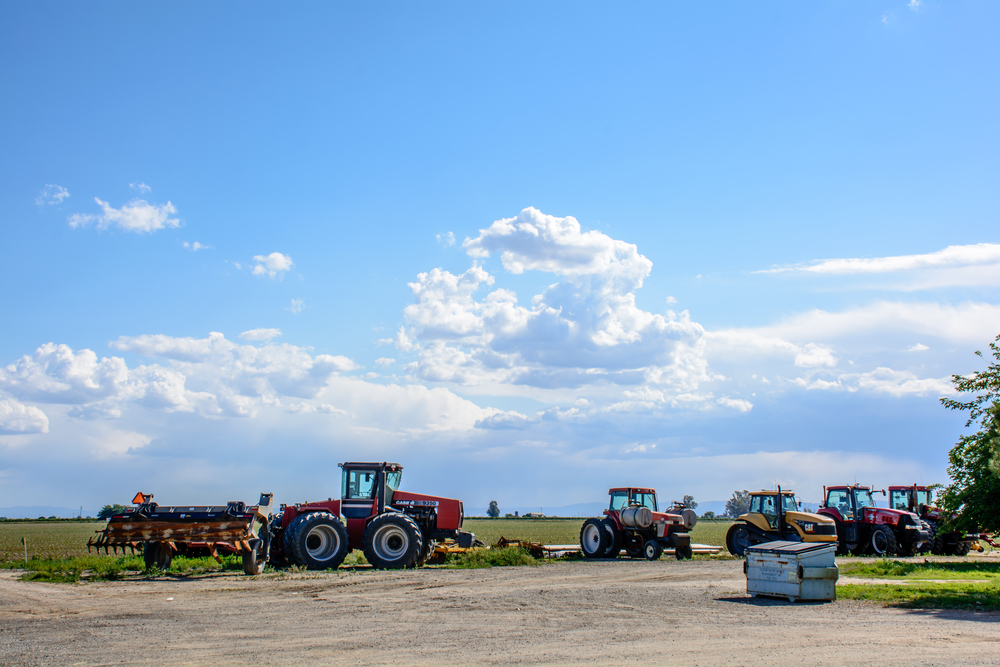
California farmers narrowly avoided a proposed mandatory tractor replacement rule after the California Air Resources Board (CARB) approved revisions to the state’s 2026 State Implementation Plan (SIP) without requiring agricultural producers to replace older farm equipment. A recent report highlighted the contentious hearing, where agriculture once again found itself at the center of California’s ongoing air quality debate.
The revised plan addresses extreme ozone non-attainment areas, but an effort to include mandatory replacement of older agricultural tractors and equipment ultimately failed after extensive discussion among board members. The decision was welcomed by farm organizations, though industry leaders caution the issue is far from settled.
Mandatory Tractor Replacement Proposal Sparks Debate
During the CARB hearing, more than 90% of public comments supported additional regulations on agriculture. Suggestions included stricter controls on emissions from pesticides and fertilizers as well as mandatory replacement of older farm tractors and agricultural equipment.
John Eisenhut, CARB’s agricultural representative, said he has long supported incentive-based programs that help growers upgrade equipment. However, he told the board he now believes mandatory regulations on agricultural tractors are necessary.
Several board members echoed those concerns, and a motion was introduced to add agricultural equipment requirements to the State Implementation Plan.
Following lengthy discussion and a break in the meeting, however, the board ultimately rescinded the motion before approving the SIP revisions without the mandatory tractor replacement provision.
Agricultural Groups Warn the Debate Is Not Over
California agricultural organizations viewed the outcome as an important, but temporary, victory.
California Cotton Ginners and Growers Association President and CEO Roger Isom criticized comments made during the hearing, arguing that agriculture has already made significant progress in reducing emissions through voluntary improvements and investments in cleaner technology.
While growers avoided new equipment mandates this time, farm leaders say the close vote signals increasing pressure for additional regulations. They expect future proposals aimed at agricultural emissions and equipment standards and are preparing to remain engaged in discussions surrounding California’s air quality policies.
For many in agriculture, the outcome underscores the importance of continued participation in the regulatory process as environmental policies affecting farms and ranches continue to evolve.
Hear more about CARB’s decision and what it could mean for California agriculture by listening to the report below.