










Rickey Bird Shares the Personal Story Behind “Kern Oil” and Why Californians Should Pay Attention
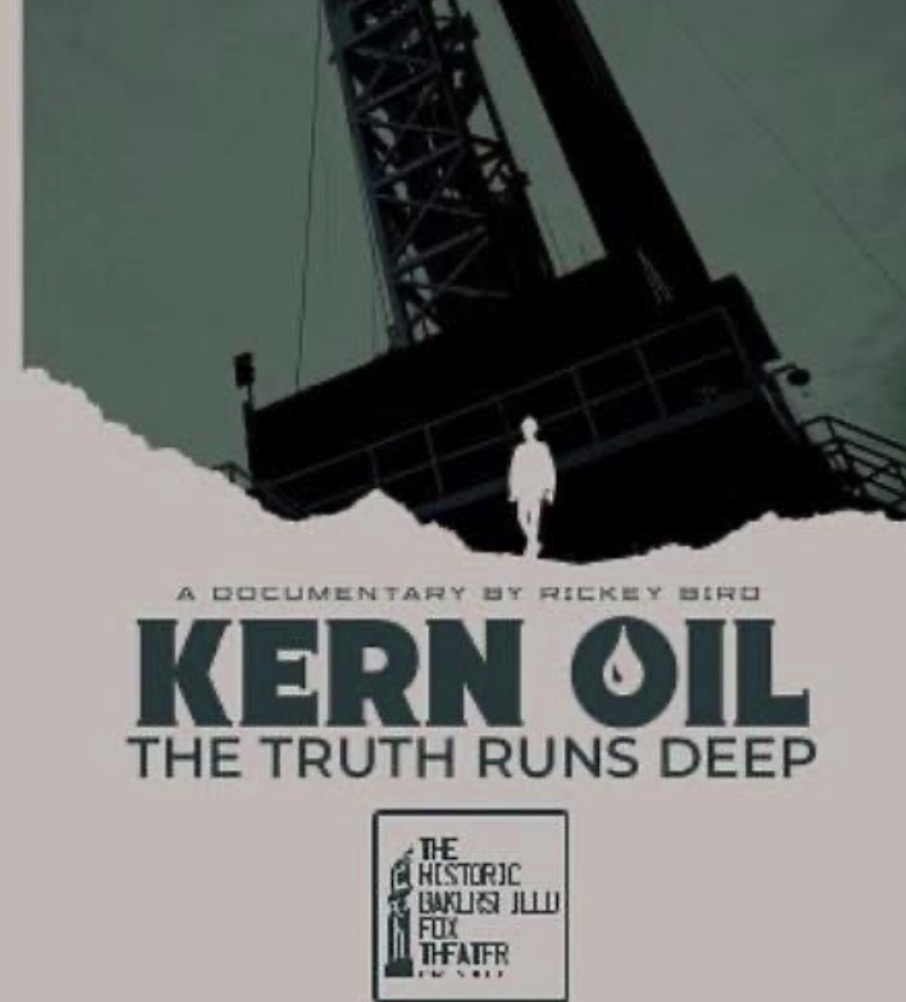
California’s energy future—and the communities that have powered the state for generations—take center stage in the new documentary “Kern Oil – Extended Documentary Trailer #1.” The film offers an inside look at Kern County’s oil industry, the families who depend on it, and the ongoing debate over California’s energy policies.

During an in-depth interview on “The Ag Meter,” host Nick Papagni sat down with filmmaker and third-generation oilfield worker Rickey Bird to discuss the inspiration behind the documentary, the economic realities facing Kern County, and why he believes every Californian should better understand where their energy comes from.
Bird’s documentary combines firsthand interviews, historical context, and industry statistics to tell the story of an industry that has shaped Kern County for more than a century. While the documentary presents the perspective of those working in California’s oil industry, Bird says his goal is education—not politics.
He hopes viewers will leave the film with a better understanding of the role oil continues to play in everyday life and the impact energy policy has on thousands of California families.
KERN OIL – The Untold Story of California’s Energy Crisis👉 Watch the NEW Extended Trailer Now
This is the side of California you’ve never seen.
For over five years, the people of Kern County — oil workers, families, and local leaders — have been living a story no one’s told… until now.
KERN OIL is a raw and powerful documentary about the fight to keep California’s energy production local — and the human cost of policies that shut it down while foreign oil keeps flowing in.
🛢️ This isn’t a story about big oil. It’s a story about real people, real jobs, and the future of California.
A Film Inspired by Personal Loss
For Bird, Kern Oil is far more than a documentary.
Growing up in the oil fields of Kern County, Bird followed his father and grandfather into the industry. While working as a drilling fluids engineer, he also pursued filmmaking during his time off.
Everything changed in 2022 when his father tragically took his own life after being unable to find steady work in California’s struggling oil industry.
Bird said that heartbreaking experience motivated him to tell the stories of families whose lives have been dramatically affected by declining drilling activity and increasingly restrictive regulations.
He wanted Californians to see the human side of the industry—the workers, small businesses, and communities that often go unnoticed in broader conversations about energy policy.
A Powerful Community Response
Since its release, Kern Oil has received an enthusiastic response from audiences throughout Kern County.
The premiere at Bakersfield’s historic Fox Theater attracted nearly 1,000 attendees, followed by successful screenings in Taft and Bakersfield.
Bird said one of the most rewarding aspects has been hearing audience members admit they simply didn’t understand how dependent California still is on oil.
Many viewers, including Democrats, Republicans, and independents, told him the documentary opened their eyes to issues they had never considered before.
Bird emphasized that Kern Oil is not intended to attack any political party. Instead, it presents information and firsthand experiences that encourage viewers to think critically about California’s current energy policies.
California Still Uses Massive Amounts of Oil
One of the documentary’s central messages is simple:
California continues to consume enormous amounts of petroleum every day.
Bird explained that while many residents believe the state has largely transitioned away from oil, California still consumes approximately 1.8 million barrels of oil every day.
Despite that demand, the state now imports more than 70 percent of its oil from foreign countries.
According to Bird, importing oil from overseas while restricting domestic production creates several challenges:
- Increased transportation emissions from overseas shipping.
- Lost tax revenue for California.
- Fewer high-paying local jobs.
- Greater dependence on foreign energy supplies.
- Reduced investment in California’s own energy infrastructure.
Bird argues that producing oil under California’s strict environmental regulations is preferable to importing it from countries with less stringent oversight.

The Decline of Kern County Oil
The documentary illustrates how dramatically the industry has changed.
One statistic featured prominently in the film compares drilling activity over the past decade.
In 2013, more than 3,500 new wells were drilled in Kern County.
By 2024, that number had fallen to just 21 new wells.
Bird says that decline has devastated communities like Taft, where generations of families built careers supporting oil production.
Many workers have relocated to Texas, Louisiana, and other states where drilling continues to expand.
As experienced workers leave California, Bird warns that valuable knowledge and technical expertise are leaving with them.
More Than Oil Companies Are Affected
Throughout the interview, Bird explained that the economic consequences extend well beyond oil producers.
Reduced drilling affects truck drivers, tire dealers, equipment suppliers, safety companies, machine shops, welders, restaurants, hotels, retailers, and countless other businesses that depend on the energy sector.
When drilling slows, the entire regional economy feels the impact.
Bird said replacing an oilfield career isn’t easy.
Many workers possess highly specialized skills developed over decades, making career transitions especially difficult when jobs disappear.
Fuel Prices Continue to Frustrate Californians
The conversation also focused on California’s gasoline prices.
Bird noted that Californians routinely pay $1.50 to $2.00 more per gallon than motorists in many other states.
Host Nick Papagni pointed out that prices in parts of Los Angeles have climbed well above national averages, leading many consumers to question why fuel costs remain so high.
Bird encouraged Californians to compare prices after traveling outside the state, noting that many of the same fuel companies operate nationwide while California consistently experiences much higher costs.
He believes those comparisons are causing more residents to examine the state’s energy policies more closely.
Why Refineries Matter
Bird also expressed concern about California’s shrinking refinery capacity.
He warned that losing additional refineries could push gasoline prices even higher by increasing dependence on imported refined petroleum products.
According to Bird, if California continues reducing refining capacity while maintaining current demand, consumers could eventually face fuel prices exceeding $10 per gallon.
The broader point, he said, is that petroleum products remain essential throughout modern life.
Everything from electronics and plastics to medical equipment, construction materials, air conditioning systems, clothing, transportation, and even filmmaking equipment depends on petroleum.
As Bird noted, the documentary itself could not have been produced without products made possible by oil.
Challenging Public Perceptions
Bird believes one of the documentary’s greatest achievements is changing how people think about oil.
Many audience members told him they assumed California no longer relied heavily on petroleum.
Instead, they learned the state continues importing millions of barrels of oil while reducing domestic production.
Bird argues that transporting oil across oceans creates additional environmental impacts while discouraging investment and employment within California.
He hopes the documentary encourages people to look beyond political talking points and better understand how energy policy affects both consumers and workers alike.
Regulations, Jobs, and California’s Energy Debate
During the interview, Bird discussed what he believes is one of the biggest challenges facing California’s oil industry: the state’s regulatory environment.
He explained that several agencies oversee oil production, including the California Air Resources Board (CARB), which he believes has contributed to making it increasingly difficult for companies to operate in the state.
According to Bird, studies have shown that oil extraction itself accounts for a relatively small percentage of California’s overall emissions. He argued that many environmental concerns involve multiple sources—including agriculture, vehicle traffic, and other industries—and believes more balanced discussions are needed when evaluating energy policy.
Bird also questioned the logic of importing oil from countries around the world while reducing production in California.
“We’re still using the oil,” Bird explained. “We’re just getting it from somewhere else.”
He pointed to imports arriving from countries including Ecuador and regions in the Middle East, arguing that transporting crude oil across oceans creates additional emissions while California has significant reserves that could be produced under some of the world’s strictest environmental regulations.
Bird acknowledged there has recently been some progress with permitting, noting that approximately 2,000 permits have been approved, but believes additional action is needed if California hopes to strengthen domestic energy production.
Communities Built on Oil Continue to Struggle
Host Nick Papagni compared educating people about the oil industry to taking families on farm tours where they discover how food is grown.
Bird agreed, saying many Californians simply don’t realize the impact declining oil production has had on communities like Taft.
Entire generations-built careers in the oil fields, and many businesses—from equipment suppliers to restaurants—depended on the industry’s success.
As drilling slowed, many skilled workers relocated to Texas, Louisiana, and other states where energy production continues to expand.
Bird said losing those experienced workers has left California with a shrinking workforce and fewer opportunities for younger generations to enter the industry.
“It’s not that the oil disappeared,” Bird explained. “It’s not that we’re using less oil. We’re simply not producing as much of it here.”
Why Energy Independence Matters
Another major topic discussed during the interview was energy independence.
Bird argued that California’s heavy reliance on imported oil leaves the state vulnerable to international conflicts and disruptions in global energy markets.
He pointed to ongoing geopolitical tensions as an example of why maintaining domestic production remains important.
According to Bird, California should focus on producing both its own food and its own energy whenever possible.
Doing so, he believes, would strengthen the state’s economy while creating more stable employment opportunities.
The Governor’s Race and Energy Policy
The conversation also turned to California’s upcoming gubernatorial election.
Bird emphasized that voters should carefully consider each candidate’s approach to energy production and economic development.
Speaking from his own perspective, Bird said he supports Steve Hilton, believing Hilton would encourage additional domestic energy production while pursuing policies aimed at reducing taxes and strengthening California’s economy.
Bird identified himself as a Libertarian and said his support is based on energy policy rather than party affiliation.
The interview also briefly touched on other gubernatorial candidates and how future leadership could influence both California’s oil and agricultural industries.
Two Years in the Making
Creating Kern Oil required two years of work.
Bird explained that funding came largely through donations while he balanced filmmaking with his full-time career in the oil industry.
Finding interview subjects also proved challenging.
Many people were initially hesitant to appear on camera because they weren’t sure how the finished documentary would portray the industry’s challenges.
Looking back, Bird said the effort was well worth it.
He believes the final documentary accurately captures the voices of workers, business owners, community leaders, and families whose lives have been shaped by California’s oil industry.
What’s Next for Kern Oil?
Following successful screenings in Bakersfield and Taft, Bird hopes to bring Kern Oil to Sacramento for another public showing.
He believes screening the documentary in the state’s capital would encourage meaningful conversations among lawmakers, community leaders, and the public.
Beyond theatrical screenings, Bird said the documentary is expected to be released on streaming platforms in the near future.
DVD copies are also planned for viewers who prefer owning a physical copy.
Interest has already been expressed outside California, including inquiries from Texas, suggesting the documentary’s message resonates with audiences beyond Kern County.
How to Learn More
Bird encouraged listeners to follow the documentary and future projects through several online resources.
Kern Oil Documentary
- Website: https://kernoilmovie.com/
- Follow on Facebook, X (formerly Twitter), Instagram, and TikTok for screening announcements, streaming updates, and distribution news.
Rickey Bird
- Website: https://rickeybird.com/
Hectic Films
- Website: https://hecticfilms.com/
Why This Story Matters
As the interview concluded, Nick Papagni emphasized that Californians—regardless of their views on energy policy—should take the time to watch Kern Oil.
He praised Bird for bringing attention to Kern County, Taft, and the thousands of families whose livelihoods have depended on the oil industry for generations.
Papagni also pledged to help Bird continue expanding the documentary’s reach, including efforts to host a future screening in Sacramento.
For Bird, the film represents much more than a documentary.
It is a tribute to his father, a voice for workers whose stories are often overlooked, and an invitation for Californians to better understand the relationship between energy, jobs, and the state’s economy.
Whether viewers ultimately agree with every point presented or not, Kern Oil offers an inside look at one of California’s most important—and most debated—industries.
To hear the complete conversation, be sure to listen to the full interview between “The Ag Meter” Nick Papagni and filmmaker Rickey Bird. Their discussion provides additional insight into the making of Kern Oil, California’s evolving energy landscape, and why Bird believes informed public discussion is more important than ever.