









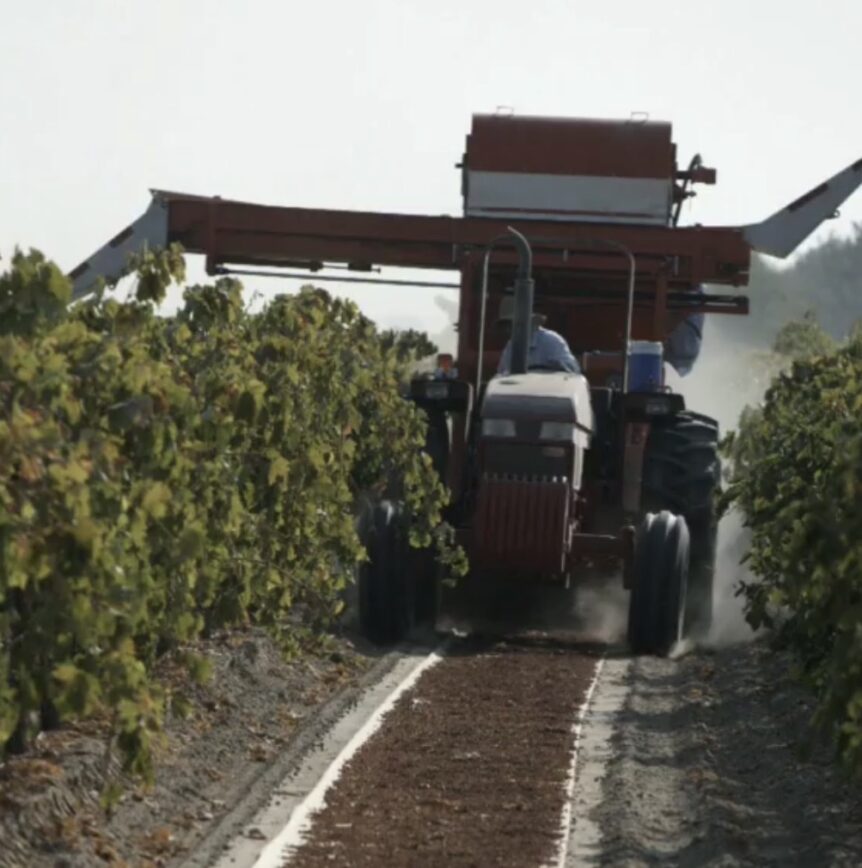
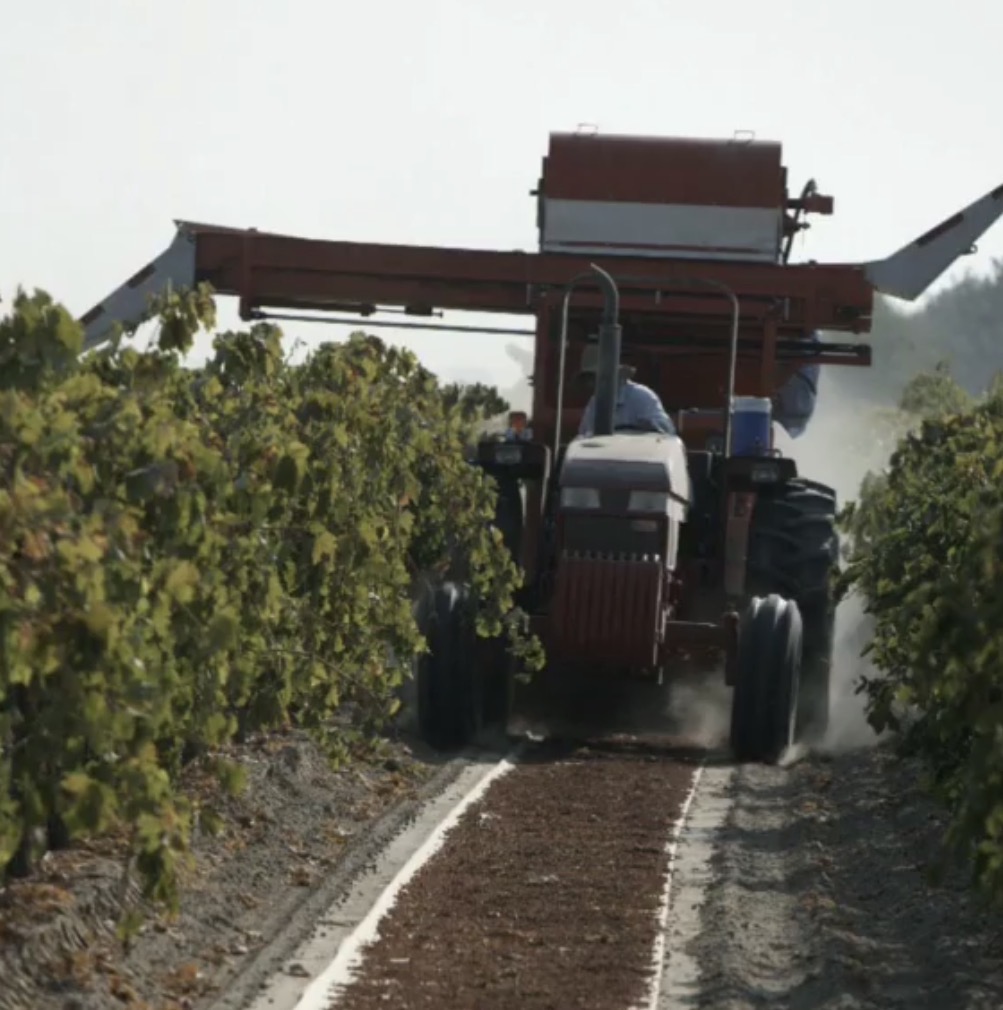
For nearly 60 years, Kalem Barsarian has been one of the most influential voices in California’s raisin industry. A former president of the Raisin Bargaining Association, longtime CEO of Lion Raisins, international agricultural consultant, and lifelong raisin grower, Barsarian has witnessed the industry’s rise to global dominance—and now its dramatic transformation.
In a candid interview with “The Ag Meter” Nick Papagni, Barsarian shared his perspective on the challenges facing California raisins today, from shrinking acreage and rising production costs to changing consumer habits and fierce global competition. He also introduced a controversial proposal that could reshape how California raisins are classified and marketed.
From Industry Leader to Industry Historian
Born into a raisin farming family in 1937, Barsarian has dedicated his life to California agriculture. His career began with the Raisin Administrative Committee before he became CEO of the Raisin Bargaining Association in 1969. Later, he expanded his experience internationally, working throughout South America before returning to lead Lion Raisins for 17 years.
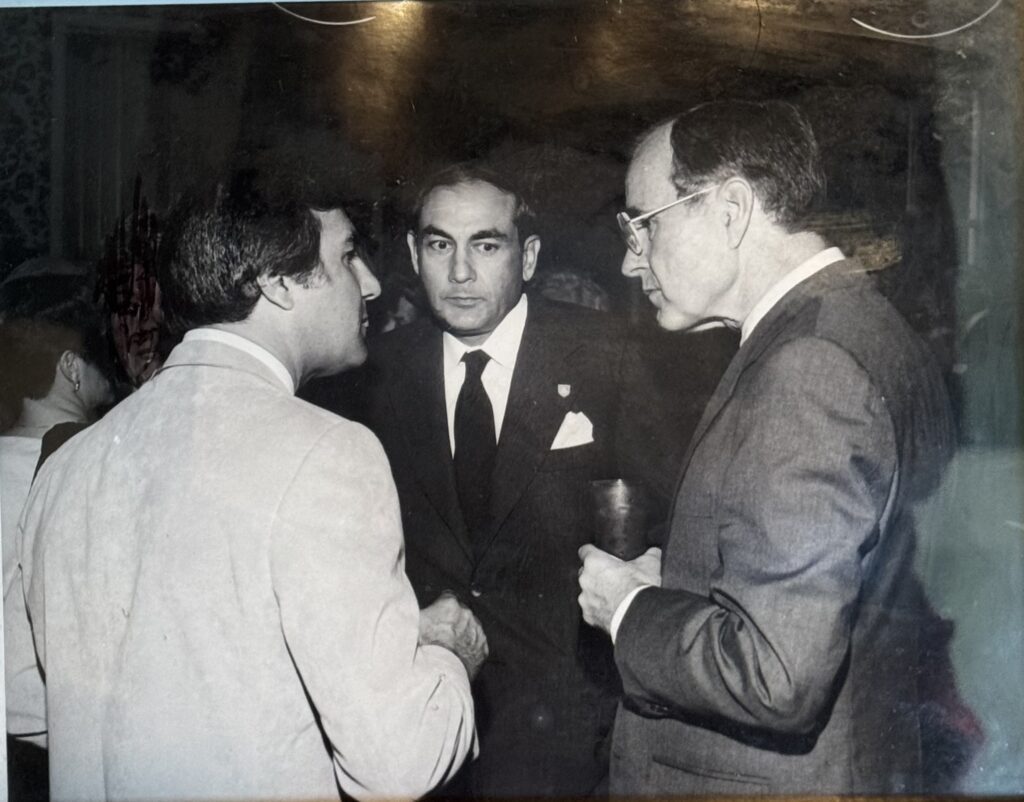
His decades of leadership have given him a unique perspective on how dramatically the raisin business has changed.
“When I started, California was the undisputed leader in raisins,” Barsarian explained. “Today, we’re competing in a completely different marketplace.”
California’s Raisin Industry Has Shrunk Dramatically
Perhaps the most eye-opening statistic Barsarian shared is how much California’s raisin acreage has declined.
Around the year 2000, California had approximately 280,000 acres of raisin grapes. Today, that number has fallen to roughly 100,000 acres, with thousands of additional acres being removed every year.
Despite losing vineyard acreage, California continues producing nearly 200,000 tons of raisins annually, creating what Barsarian describes as an oversupplied market.
The question, he says, is simple:
“If we’re losing thousands of acres every year, where are the extra raisins coming from?”
The Growing Debate Over “Gunny Sacking”
Barsarian believes the answer lies in a growing production practice known as “gunny sacking.”
Rather than growing grapes specifically for raisins, some table grape growers are drying fruit that doesn’t meet fresh-market standards into raisins.
The practice has existed for years in countries like Chile, where virtually all raisin production comes from leftover table grapes rather than dedicated raisin vineyards. Barsarian now believes the same trend is rapidly expanding in California.
While many processors see gunny sacking as an efficient way to reduce costs and maximize vineyard returns, Barsarian worries it is fundamentally changing the marketplace.
According to him, additional production from surplus table grapes increases supply and puts downward pressure on prices received by traditional raisin growers.
Calling for Greater Accountability
One of the interview’s biggest revelations came when Barsarian publicly proposed changes to the Raisin Administrative Committee’s marketing order.
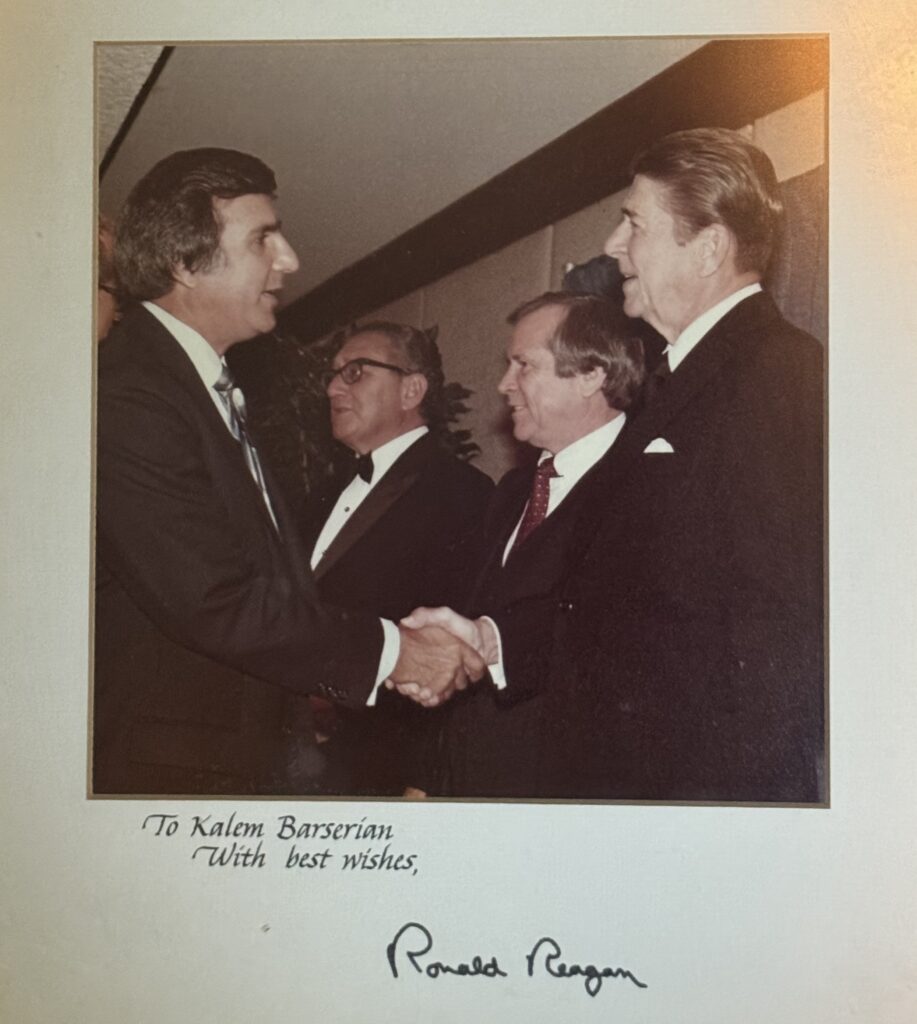
Borrowing Ronald Reagan’s famous phrase, “Trust, but verify,” Barsarian called for inspectors to verify exactly which grape varieties are being delivered as California Natural Seedless raisins.
Because dried grapes can be difficult to distinguish visually, Barsarian believes documenting vineyard origin before delivery would help preserve product integrity while ensuring buyers receive exactly the product they expect.
His proposal is certain to generate discussion throughout the industry, particularly among growers and processors with differing views on the future of raisin production.
Mechanization Is No Longer Optional
Barsarian also believes automation will define the future of California raisins.
Modern overhead trellis systems and dried-on-the-vine production methods are allowing growers to significantly increase yields while reducing labor costs.
He predicts that within the next decade, the industry will consist primarily of vertically integrated companies that grow, process, and market their own raisins.
Traditional Thompson Seedless vineyards will likely continue disappearing, replaced by newer varieties such as Fiesta, Selma Pete, and potentially an experimental variety named Kalem 96, developed from a grape Barsarian discovered in Delano.
Marketing and Government Support Remain Critical
While Barsarian acknowledged that USDA purchases for school lunch and nutrition assistance programs continue providing valuable support, he said government buying alone cannot solve the industry’s challenges.
He believes California raisin leaders must continue advocating in Washington, D.C., while also investing in stronger marketing efforts aimed at younger consumers.
Today’s grocery shoppers have more snack choices than ever before, making effective promotion increasingly important if raisins hope to regain market share.
Barsarian also expressed optimism about new leadership at the Raisin Administrative Committee, saying fresh ideas could help position the industry for the future.
A Different Industry Lies Ahead
Looking ahead five to ten years, Barsarian predicts California’s raisin industry will be significantly smaller than it is today.
Fewer independent growers, fewer processors, and increased vertical integration will reshape how raisins are produced and marketed.
He compared the industry’s future to California’s fig and dried apricot sectors, both of which have experienced major consolidation over time.
For growers, adapting to new technology, new varieties, and changing market conditions will be essential for long-term success.
Don’t Miss the Full Interview
Kalem Barsarian has spent nearly nine decades watching California agriculture evolve, and his insights offer a fascinating look at one of the state’s most iconic specialty crops.
Whether you agree with his views on gunny sacking, marketing reforms, or the future of Thompson Seedless grapes, his experience provides valuable perspective on where the raisin industry may be headed next.
To hear Barsarian discuss his remarkable career, his relationships with industry leaders and U.S. presidents, his proposed marketing-order changes, and his predictions for the future of California raisins, be sure to listen to the full interview between “The Ag Meter” Nick Papagni and Kalem Barsarian. It’s an informative conversation that every raisin grower, packer, and agricultural enthusiast should hear.