








The recent decision to expand federal grazing opportunities on public lands has sparked discussion across the agricultural community, with livestock organizations praising the move and environmental groups voicing concerns. A recent report highlighted the announcement from USDA and the perspective of cattle producers who say managed grazing provides important environmental benefits in addition to supporting ranching operations.
Earlier this month, Agriculture Secretary Brooke Rollins announced that USDA had directed the U.S. Forest Service to expand grazing opportunities on federal lands as part of the administration’s effort to strengthen the nation’s ranching industry. The announcement was welcomed by many livestock groups, who say responsible grazing plays a key role in land stewardship.
Chelsea Hajny, executive vice president of the Washington Cattlemen’s Association, believes ranchers should be recognized for the conservation work they perform every day.
Federal Grazing Opportunities Support Land Management
Hajny said producers are often described as the original conservationists because of the positive role cattle can play in maintaining healthy landscapes.
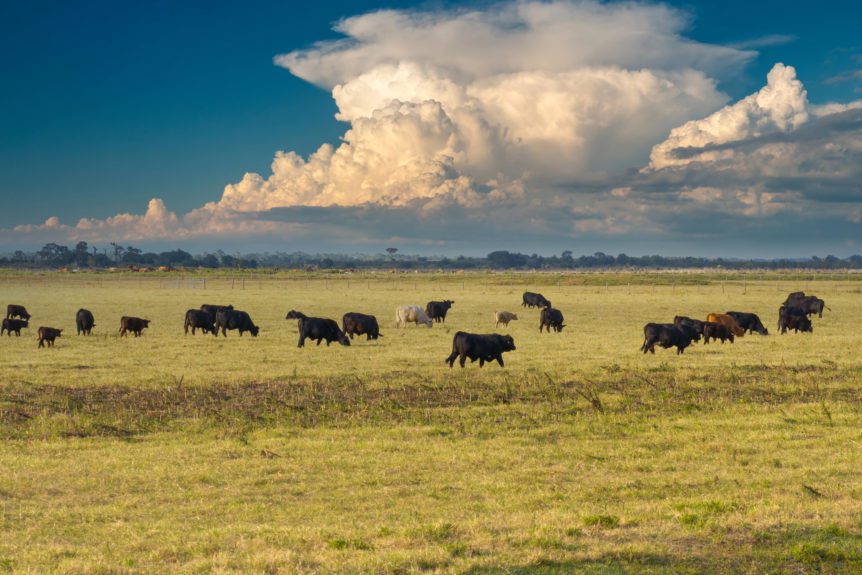
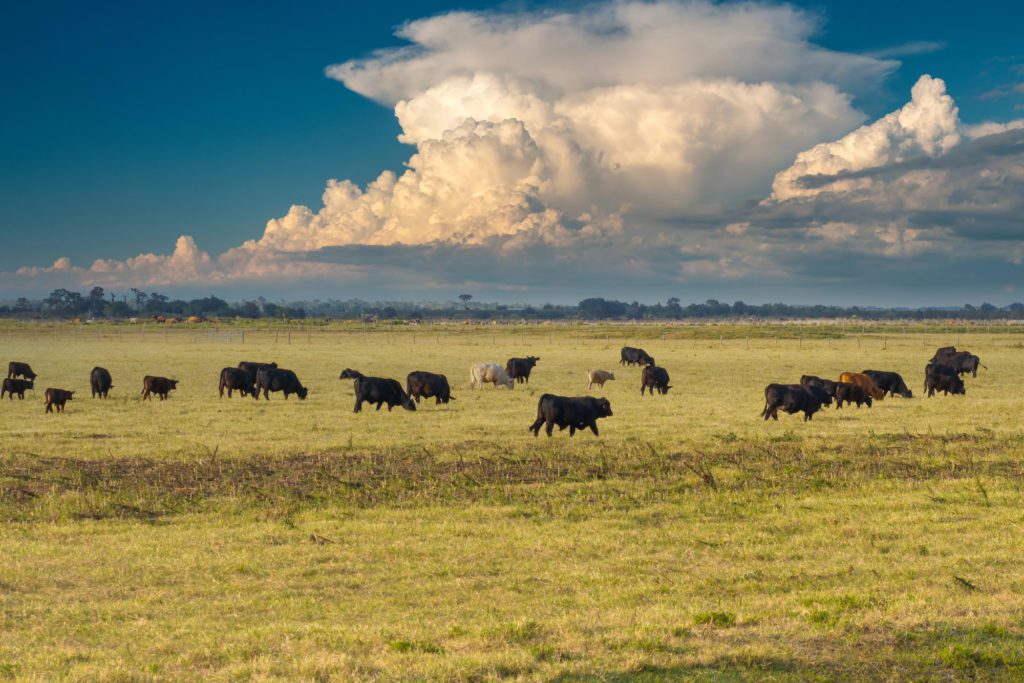
“The cattle preserve and protect landscape in ways that humans can’t,” Hajny said. “They will go graze and eat brush and other bushes that other animals won’t, which removes fire danger.”
She also pointed to additional environmental benefits provided by grazing livestock.
“Their hooves aerate the soil. Their manure gives back to fertilization. I mean, the list goes on and on and on about all the benefits that a cow gives to the landscape,” she said.
Supporters argue these natural processes help improve rangeland health while reducing vegetation that can fuel large wildfires.
Federal Grazing Opportunities May Reduce Wildfire Risk
Hajny noted that many of the public lands being considered for expanded grazing are located in areas that face a high risk of wildfire.
“If the cow can graze that stubble down, if we do get fire, it’s not going to be as devastating,” she said. “The benefits to having a cow graze public lands are so beneficial.”
She added that educating the public about these environmental benefits remains an important priority for the livestock industry.
“And that’s something that we really do work to educate people, because people don’t understand that,” Hajny said.
As discussions continue over the future of federal grazing policy, supporters maintain that properly managed grazing can benefit both ranching operations and the long-term health of public lands.
Hear more from Chelsea Hajny about the benefits of federal grazing opportunities by listening to the interview below.