








Bowles Farming CEO discusses water, labor, heat, technology and the future of California agriculture with The Ag Meter
California agriculture is under pressure from nearly every direction, but sixth-generation farmer Cannon Michael says farmers are not ready to give up.
Michael, president and CEO of Bowles Farming Company in Los Banos, joined Nick Papagni on The Ag Meter for a candid discussion about what it takes to keep farming in California amid extreme heat, limited water, rising costs, labor challenges, regulations and an uncertain future.
Bowles Farming Company manages approximately 11,000 acres and has built a highly diversified operation producing carrots, sweet corn, garlic, onions, watermelons, cantaloupes, honeydew, tomatoes, almonds, pistachios and other crops.
The full interview offers a revealing look at the realities facing farmers on the West Side of the San Joaquin Valley—and why Michael remains optimistic about California agriculture.
Extreme Heat Accelerates an Already Early Season
Michael said temperatures above 105 degrees are putting significant pressure on both farm employees and crops.
The West Side benefits from somewhat cooler nighttime temperatures, providing workers and plants with a small break, but extreme heat still requires careful management.
This year’s growing season has also been unusually early. Michael estimated many crops were running about two weeks ahead of normal, with some of Bowles Farming Company’s earliest-ever March plantings.
The unusual weather included a March that was very warm followed by an April that was actually cooler on average than March.
The farm has responded by constantly adjusting its production and irrigation strategies.
Water Remains California Agriculture’s Biggest Challenge
Water was one of the most important subjects of the interview.
Michael discussed the frustration of operating with a 25 percent water allocation while California’s reservoirs had significant supplies.
He said the state’s water infrastructure was built to provide reliability, but inadequate investment and regulatory restrictions have made it increasingly difficult to move water from areas with supplies to areas where it is needed.
At the time of the interview, growers were hoping for an additional 5 percent allocation. Even that small increase could provide flexibility to finish almond production, irrigate orchards after harvest or bank water for future use.
Michael also warned about the growing impact of groundwater restrictions.
Farmers need both surface and groundwater supplies to maintain viable operations. If surface water cannot be delivered reliably and groundwater becomes increasingly restricted, the consequences could be severe.
“Farming is so capital intensive,” Michael explained. Farms cannot simply operate one year and shut down for the next two.
He fears continued water uncertainty could eventually force good farmers out of business and take productive farmland out of agriculture.
Bowles Has Become a Year-Round Farm
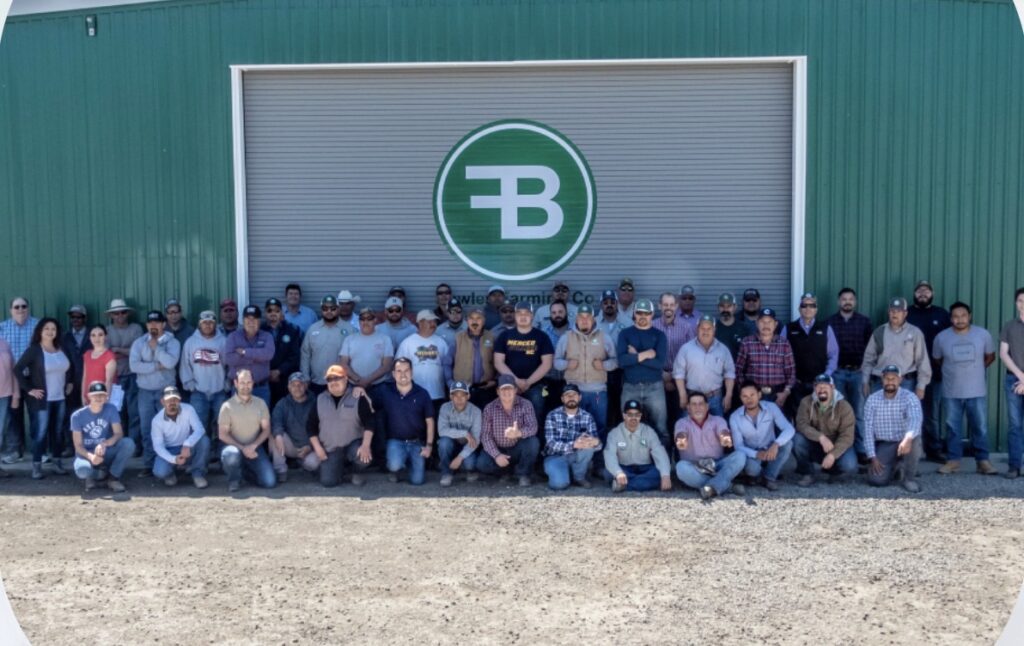
One of the biggest changes at Bowles Farming Company has been the move toward year-round production.
Michael said the farm once essentially shut down from November through February for equipment repairs and maintenance.
Today, the operation works throughout the year, allowing the company to retain a core workforce while bringing in hundreds of seasonal employees during the summer.
Watermelons, melons, onions and garlic create significant seasonal labor demand, while crops such as garlic and carrots also help spread water requirements across different seasons.
Garlic has become an increasingly important crop for Bowles, benefiting from the West Side’s soils and relationships with experienced garlic growers.
Because much of garlic’s water demand occurs during the winter, it can also help the farm manage limited summer water supplies.
Protecting Workers in Extreme Conditions
Even as the farm embraces automation, Michael emphasized that many agricultural jobs still require people.
Workers harvesting melons and other crops during the summer heat start early and generally finish before noon.
The company provides water, shade, breaks and electrolytes and closely monitors workers for signs of heat stress.
Michael said harvesting the crop is important, but workers must remain safe and healthy.
The labor issue goes beyond heat.
He said agriculture needs a reliable workforce because many Americans simply do not want to perform physically demanding farm work—even when jobs provide good wages and benefits.
Michael believes the country needs a practical immigration and agricultural labor system that recognizes the workers already contributing to agriculture while maintaining appropriate security measures.
Automation and AI Are Changing the Farm
Rising labor costs are accelerating automation.
Bowles Farming Company is using AI-enabled sprayers that identify weeds and improve the efficiency of chemical applications. The company is also exploring AI applications in office operations.
Michael expects autonomous tractors and other technologies to become increasingly important.
But he said farming cannot automate everything.
Experienced workers can identify which watermelons are ready to harvest, while sensitive crops such as tomatoes still require workers who understand how to handle them without causing damage.
Agriculture will continue to require “boots on the ground,” but technology can make workers more productive and help farms remain competitive.
Farmers Are Environmental Stewards
Michael also challenged the idea that agriculture and environmental protection are incompatible.
The western border of Bowles Farming Company includes wetlands important to the Pacific Flyway, grasslands and wildlife habitat.
The family has placed approximately 650 acres into a permanent federal easement dedicated to wetland habitat.
The farm also invests in habitat and riparian corridors.
Water conservation is another major component of the operation, including drip irrigation and solar-powered systems.
Michael believes farmers deserve more recognition for the conservation and environmental work they perform while producing food.
Keeping the Next Generation on the Farm
One of Michael’s biggest concerns is whether young people will want to continue farming.
He said he has talked with farm families whose younger generations are questioning whether California agriculture remains worth the economic and regulatory challenges.
That is particularly concerning in an industry built on multigenerational knowledge.
Michael believes agriculture needs to show young people that it is much more than planting and harvesting.
Modern agriculture offers careers in technology, marketing, finance, agronomy, processing, management and other fields.
He also supports exposing students to farms through tours, internships and programs such as FFA.
California Agriculture Needs a Better Story
Michael believes marketing and education are increasingly important because consumers are becoming disconnected from agriculture.
People may order groceries through their phones without ever seeing the farm, workers or production system behind their food.
He said farm tours can change perceptions because people understand agriculture differently after seeing it firsthand.
Michael also believes California-grown food needs to be marketed around its quality, safety, nutrition, environmental stewardship and the people who produce it.
He remains hopeful that younger generations can use social media and other platforms to tell agriculture’s story in new ways.
California Farming May Change—but It Isn’t Going Away
Michael acknowledged that California agriculture could have a smaller footprint in some areas as farmland is converted to other uses, including solar development.
But he does not believe agriculture will disappear.
California’s climate allows farmers to produce fruits, vegetables, nuts, cotton and other crops that cannot be grown as effectively in many other parts of the country.
Michael believes every drop of water used in California agriculture can produce tremendous value.
And once a farm disappears, restarting it is extremely difficult.
That is why he believes California needs to recognize the value of its agricultural land before it is too late.
Look for California-Grown Products
Michael encouraged consumers to pay attention to seasonality and where their food comes from.
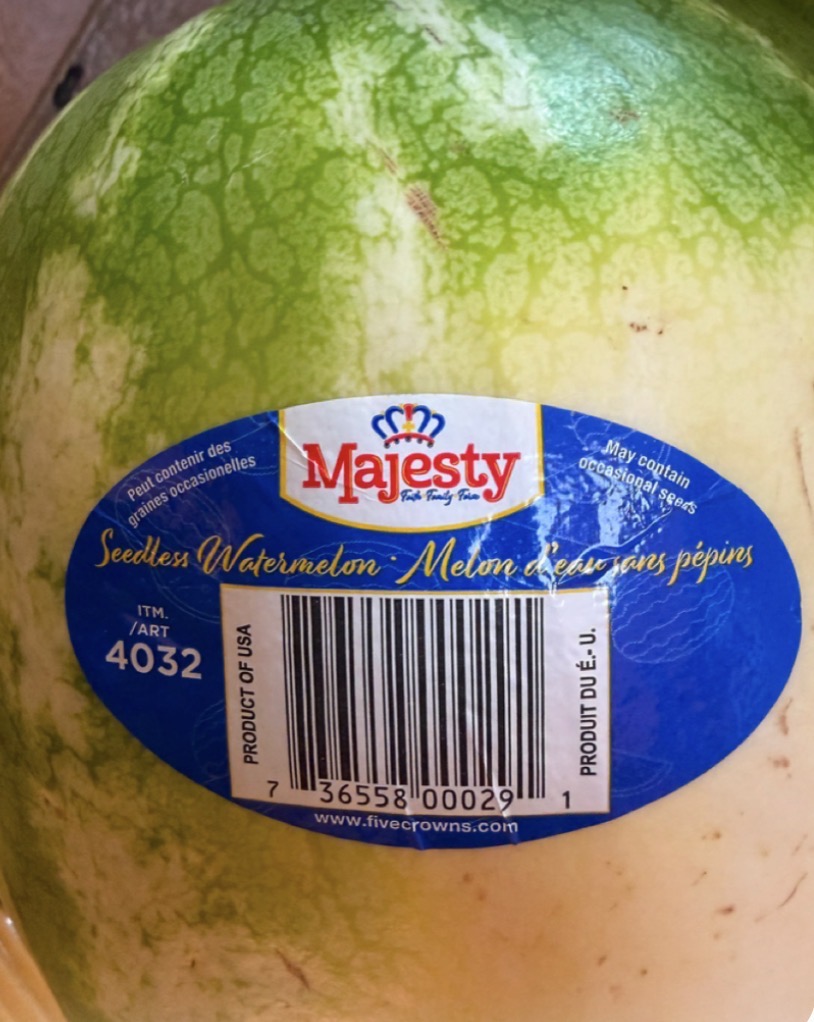
California-grown watermelon is one example. During the summer season, consumers can find Bowles Farming Company’s watermelons under the Majesty label through Five Crowns Marketing.
Michael said the melons are sold at Costco, Albertsons and other supermarkets.
Bowles also markets cantaloupes, honeydews and mixed melons.
His message is simple: when California products are in season, consumers should support them.
Listen to the Full Cannon Michael Interview
The conversation between Nick Papagni and Cannon Michael goes far beyond the headlines.
It provides a firsthand look at the challenges of farming on California’s West Side—and the determination required to keep a sixth-generation family farming operation moving forward.
Michael discusses water, labor, extreme heat, regulations, conservation, automation, AI, crop diversification, the next generation and the importance of connecting consumers with the farms producing their food.
Despite the challenges, his message remains one of resilience.
California farmers are adapting, innovating and solving problems every day.
Listen to the full interview between The Ag Meter host Nick Papagni and Cannon Michael to hear the complete conversation and get an inside look at what it takes to keep California agriculture growing.