









By David Adam Kess, via Wikimedia Commons
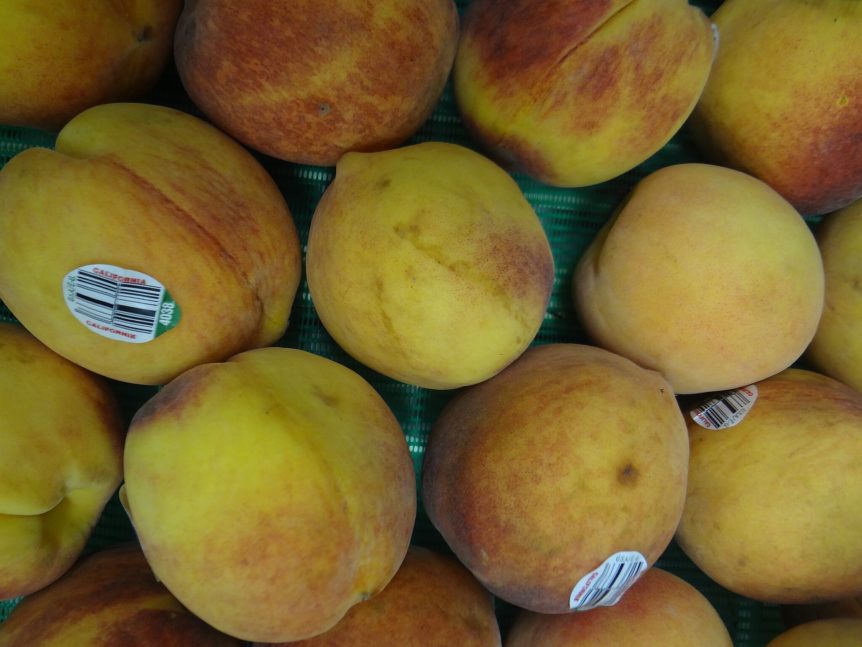
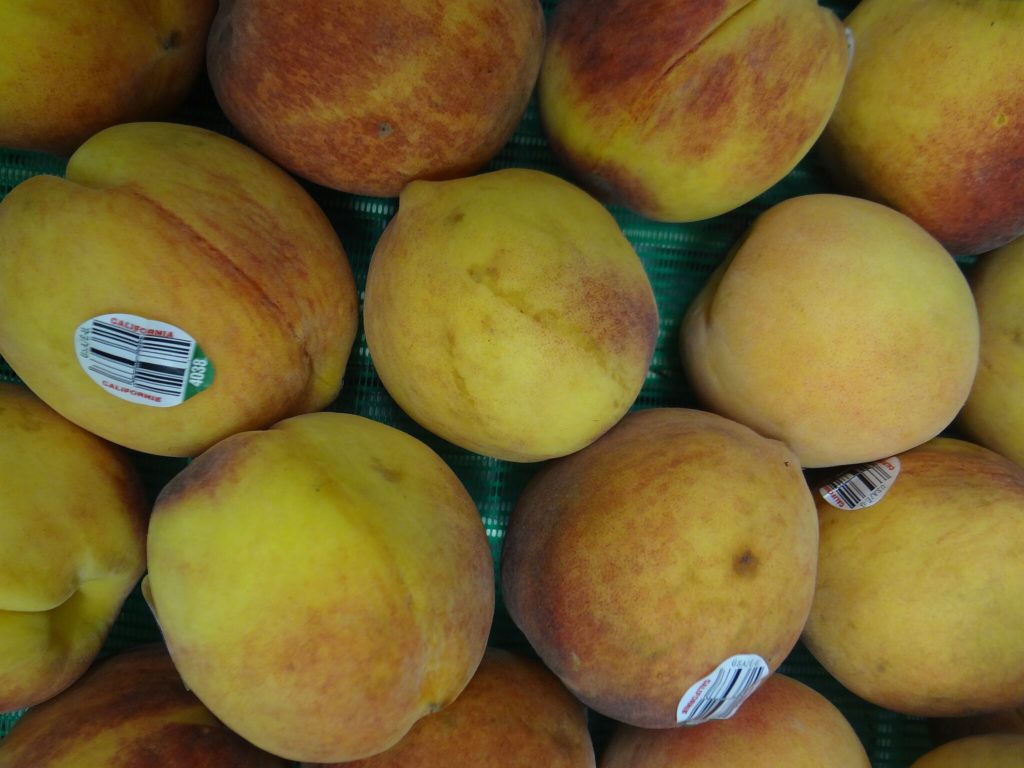
California’s stone fruit industry is experiencing an unusually early season, creating both opportunities and challenges for growers, packers and shippers. A recent report highlighted how the accelerated pace of the 2026 crop is affecting harvest schedules, fruit sizing, shipping decisions and export programs across the state.
Industry sources report that California’s stone fruit season is currently running three to four weeks ahead of its typical timeline. The early development has altered the normal harvest progression, with multiple varieties reaching maturity at nearly the same time rather than arriving in the staggered sequence growers and packers typically expect.
That compressed harvest window is creating unusual dynamics throughout packing facilities as operators work to manage higher volumes of fruit arriving simultaneously.
California Stone Fruit Season Creates Harvest Challenges
In addition to timing concerns, growers are reporting a higher percentage of smaller-sized fruit this season. Industry observers suggest the accelerated development may have contributed to some orchards missing ideal thinning windows, although weather conditions may also be playing a role.
Fruit sizing remains an important factor in marketability and returns, particularly for export markets and premium retail programs. Smaller fruit can affect pack-out rates and marketing strategies, requiring growers and shippers to adapt as the season progresses.
Despite those challenges, overall fruit quality has generally been described as average. However, growers are noting that fruit appears to be changing more rapidly after harvest than in a typical year.
That development is influencing shipping decisions across the industry.
California Stone Fruit Season Impacts Shipping Decisions
Because post-harvest shelf life appears to be shorter, many shippers are taking a more cautious approach to transportation. Rather than placing fruit on ocean vessels and accepting extended transit times, some exporters are increasingly turning to air freight to reduce the risk of quality deterioration before products reach their destination.
While air freight can provide faster delivery, it also comes with significantly higher transportation costs, adding another consideration for marketers already navigating a unique season.
At the same time, strong market prices are helping support grower returns. Industry reports indicate stone fruit prices are running several dollars higher than they were at the same point last year.
Although the stronger pricing environment is positive for domestic sales, it may make export programs more challenging as international buyers evaluate costs and competing supplies from other production regions.
As harvest activity continues across California, growers and marketers will be closely watching fruit quality, sizing trends and shipping logistics to determine how the remainder of the season unfolds.
Hear more about the California stone fruit season and the challenges growers are facing by listening to the report below.