









Credit: mikeledray / Shutterstock.com
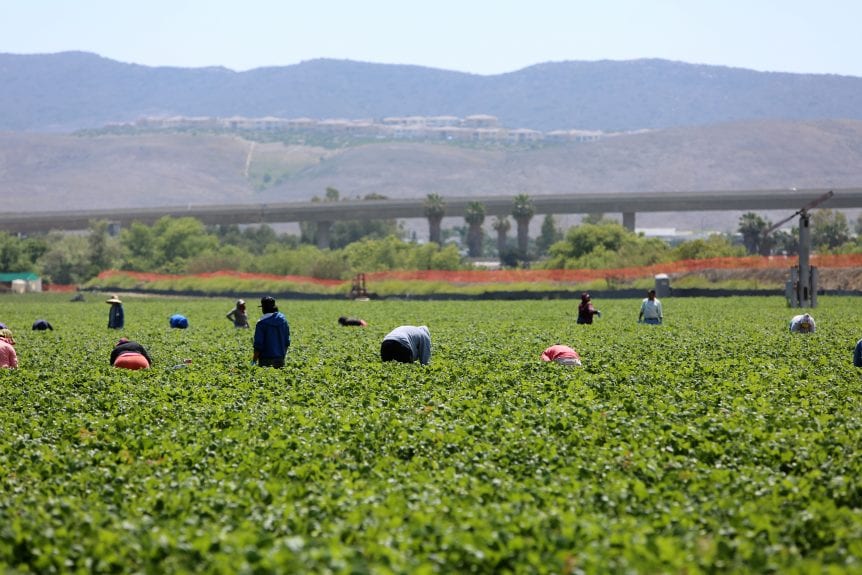
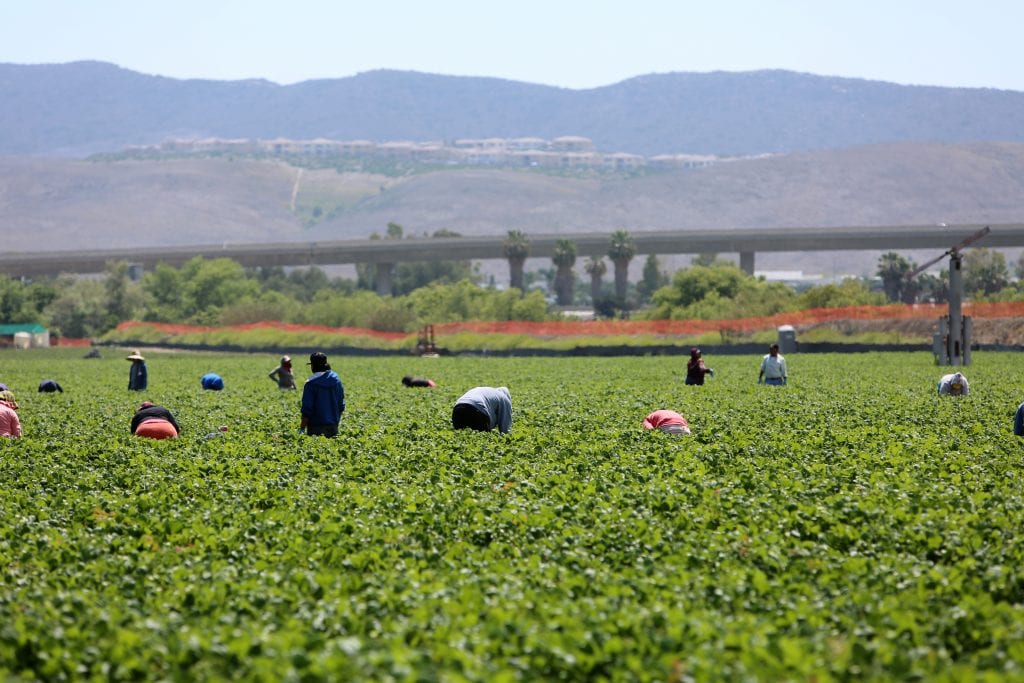
More than 40 agricultural organizations are warning that federal immigration enforcement policies are disrupting U.S. food production and could contribute to higher consumer prices. The groups are urging President Donald Trump and congressional leaders to address agricultural labor shortages, citing disruptions to harvesting, livestock transportation and meatpacking operations.
Organizations representing dairy, livestock and produce producers say experienced immigrant workers are essential to maintaining a reliable domestic food supply. They warn that continued workforce uncertainty could increase production costs and leave some crops unharvested.
Agricultural Groups Call for Workforce Solutions
The organizations raising concerns include the Milk Producers Council, the Texas International Produce Association, the Kansas Livestock Association and the Indiana Dairy Producers.
According to reporting by The Washington Post, the groups have asked federal leaders to address the effects of immigration enforcement operations on agricultural businesses in several states.
Reported disruptions have affected meatpacking facilities, livestock shipments and harvesting activities. These interruptions can create challenges throughout the agricultural supply chain, particularly during critical production periods when farms and processing facilities depend on consistent access to workers.
Agricultural employers argue that experienced immigrant employees play an important role in keeping operations running efficiently. When labor becomes less available, producers may face delays in harvesting crops, moving animals or processing agricultural products.
For perishable commodities, delays can be especially challenging because crops must be harvested and handled within specific windows to maintain quality and reach markets.
Labor Uncertainty Adds to Rising Production Costs
The organizations warn that workforce disruptions could have consequences beyond individual farms and businesses. Higher labor costs, interruptions to production and crops left unharvested could contribute to increased food prices for consumers.
Agricultural employers are already managing other financial pressures, including higher fertilizer costs, tariffs and supply chain disruptions. Uncertainty about labor availability adds another challenge as producers work to control expenses and maintain production.
The groups are calling for legislation that would provide legal work authorization for established agricultural employees. They say a more dependable workforce would help agricultural businesses plan for critical production periods and maintain domestic food supplies.
The debate highlights the connection between agricultural labor availability, food production and prices. As industry organizations press for action, producers will continue to navigate workforce challenges alongside other rising operating costs.
The outcome of discussions among agricultural groups, lawmakers and the administration could have important implications for farms, food processors and the broader food supply chain.
Listen to the accompanying report for more on agricultural organizations’ concerns about immigration enforcement, labor shortages and the potential effects on U.S. food production.