









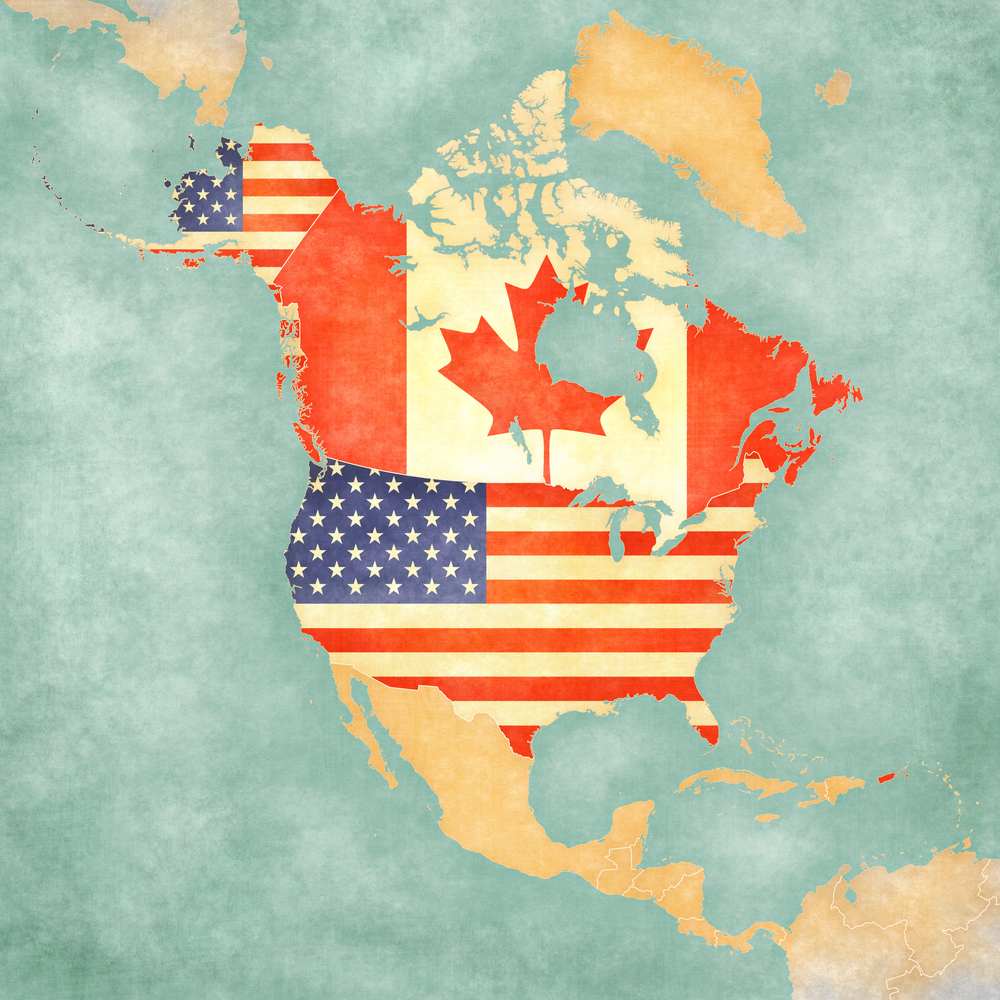
U.S. farm exports are facing renewed uncertainty after trade talks between the United States and Canada collapsed, raising concerns about potential retaliatory tariffs and reduced market access for American agricultural products. The breakdown comes as both countries continue to disagree over trade terms and the future of cross-border agricultural commerce.
Canadian Retaliation Could Hit U.S. Agriculture
The collapse in talks has triggered 50% U.S. tariffs on many Canadian exports, including agricultural goods. In response, Canadian Prime Minister Mark Carney has vowed dollar-for-dollar retaliation against U.S. products.
The impact could be significant for U.S. agriculture, particularly dairy. Canadian retaliatory measures could restrict access for U.S. dairy producers and exporters beginning Sept. 8.
Other Canadian products facing higher U.S. tariffs include dairy, honey, sugar, soy proteins, farm inputs and equipment. The dispute adds another layer of uncertainty for producers and businesses that depend on cross-border trade.
U.S. Trade Ambassador Jamieson Greer defended the administration’s position, pointing to restrictions Canada has previously placed on American products.
“The Canadians over a year ago, they prohibited the sale of American wine and spirits in their stores,” Greer said. He also cited Canadian limits on automobile imports and restrictions affecting U.S. dairy sales.
Officials Trade Blame Over Negotiations
Carney accused the United States of changing the terms of negotiations and moving the goalposts. He said recent U.S. proposals were economically unfair and undermined the potential benefits of an agreement for Canada.
Greer offered a different account, arguing that the United States had presented Canada with favorable terms.
“We told the Canadians, here are some things where we think we can deliver you the best deal in the world,” Greer said. “Well, you’ll have preferential access over every other country into the United States and you will be the most preferred partner.”
According to Greer, Canadian officials rejected those terms and walked away from negotiations.
For U.S. farmers and agricultural exporters, the immediate concern is what retaliatory measures could mean for sales into one of America’s most important trading partners. Canada is a major destination for a wide range of U.S. agricultural products, making trade disruptions particularly important to producers and exporters.
No new talks have been scheduled, while reports indicate the 50% U.S. tariffs could face legal challenges.
Listen to the full report for more on the latest U.S.-Canada trade dispute and what it could mean for American agriculture.