









Land Grants: An Early Incentive That Strengthened a Young Nation
During the American Revolutionary War, the newly forming United States faced enormous challenges, including building an effective military to fight for independence. According to Mark Oppold’s American Agriculture History Minute, one unique solution connected military service directly to the nation’s agricultural future.
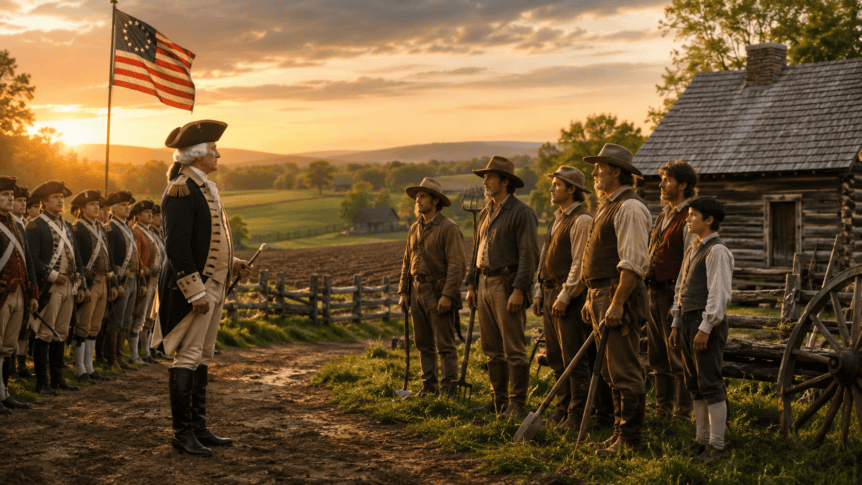
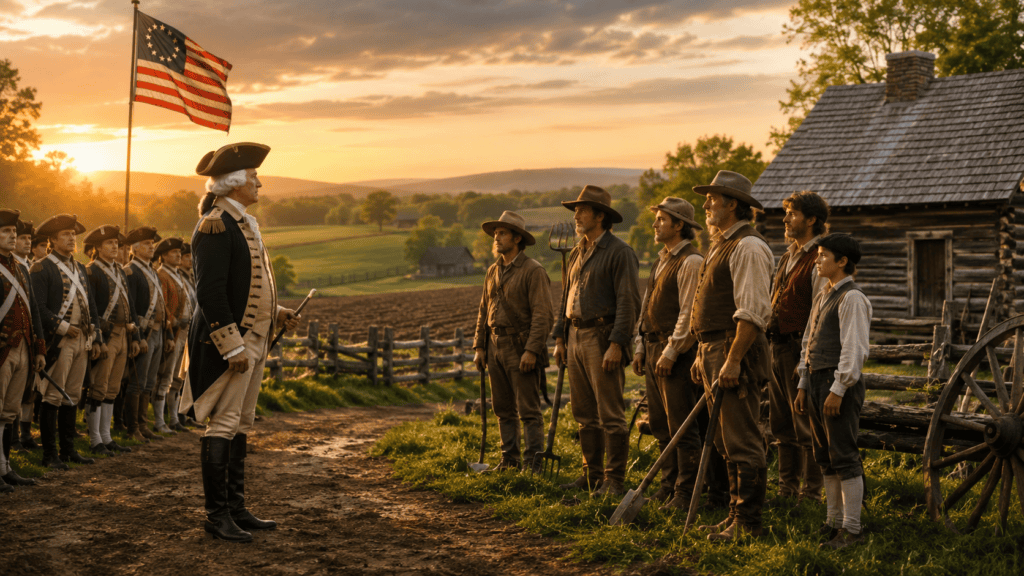
Rather than offering a traditional cash enlistment bonus, the First Continental Congress turned to one of the country’s most valuable resources—land.
Washington Needed Soldiers—and a Long-Term Defense Strategy
General George Washington depended heavily on volunteers to fight the British during the Revolutionary War. While recruiting soldiers was critical to winning independence, Washington also recognized that the young nation would require a stronger and more sustainable defense system in the years ahead.
To encourage enlistment, the First Continental Congress in 1776 offered land grants to individuals willing to serve in the Continental Army. This innovative incentive rewarded military service with the opportunity to own and farm land, helping establish both a capable military force and a growing agricultural economy.
Farms Became the Reward for Service
While historians do not know the exact size of every land grant, they are generally believed to have ranged from 20 to 30 acres. That amount was considered sufficient for a single farmer and their family to successfully manage and cultivate.
These grants provided more than compensation for military service. They gave veterans the opportunity to establish farms, support their families, and contribute to the nation’s food production and economic development. The program reflected the close relationship between agriculture and the founding of the United States, where farmland represented opportunity, independence, and long-term prosperity.
Agriculture’s Role in America’s Early History
The land grant initiative illustrates how agriculture played an essential role in building the United States. Farmland was not simply property—it was a strategic national asset that rewarded sacrifice, encouraged settlement, and helped create self-sufficient communities across the expanding nation.
As America’s agricultural history continues to be explored, stories like this remind us that farming has long been intertwined with the country’s military, economic, and political foundations.