









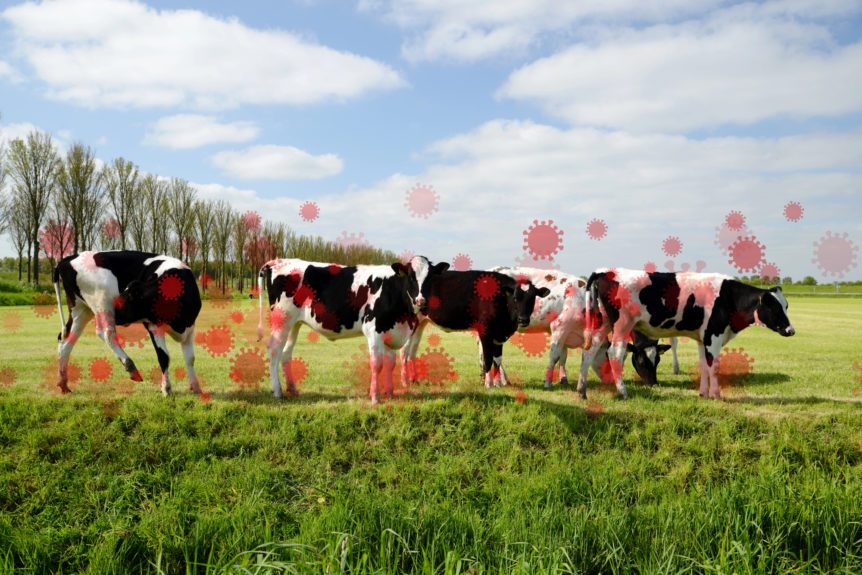
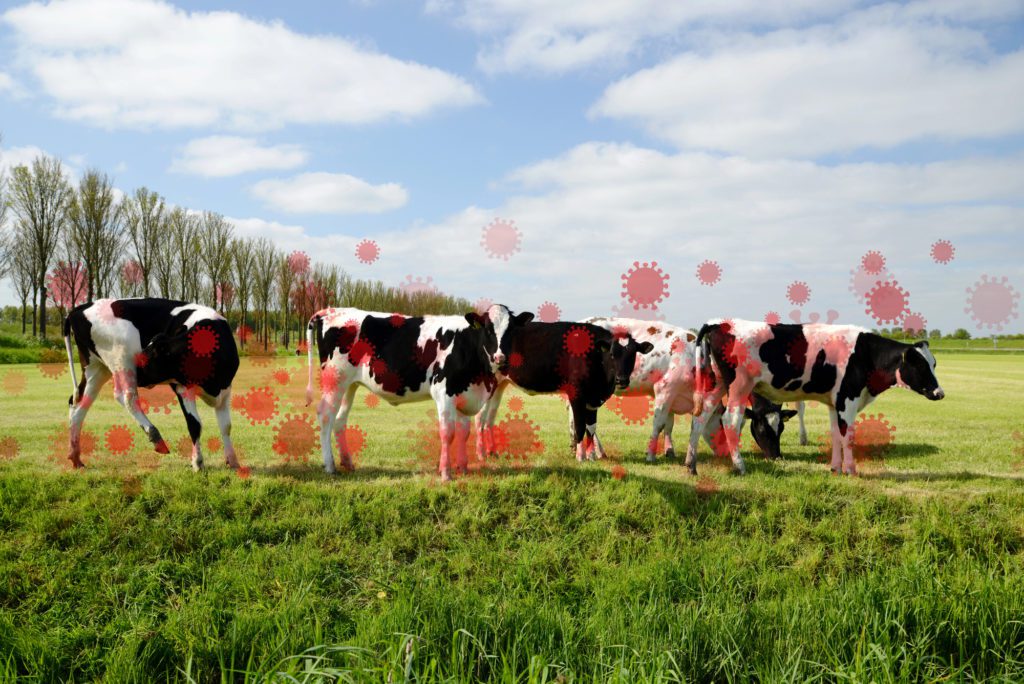
The U.S. Department of Agriculture is urging livestock and poultry producers to remain vigilant against highly pathogenic avian influenza (HPAI) as fall migration gets underway. With new detections continuing in poultry and dairy operations, officials say monitoring, education and strong biosecurity practices remain important tools for limiting the virus’s spread.
Fall Migration Raises Bird Flu Concerns
USDA Undersecretary Dudley Hoskins said the seasonal movement of wild birds brings increased concern about the potential spread of avian influenza across the country.
“We’re at the beginning of the fall migratory season, and this time of year we always anticipate an uptick just as migratory birds are moving through the environment,” Hoskins said.
Wild birds can carry and spread the virus as they travel along migration routes, creating potential exposure risks for poultry flocks and other susceptible animals.
Hoskins emphasized that migratory birds can contribute to the virus spreading throughout the country along major flyways. Producers are encouraged to maintain biosecurity measures and monitor their animals for signs of illness as seasonal migration continues.
National Milk Testing Tracks Dairy Cattle
USDA is also continuing to monitor avian influenza in dairy cattle through its national milk testing strategy. Hoskins described the program as an effective tool for identifying potential infections and helping officials respond to emerging concerns.
“We have a national milk testing strategy in place that’s been very effective for us in terms of an almost like an early warning system,” Hoskins said.
According to Hoskins, 46 states are participating in the national milk testing strategy, with about 39 currently considered to be in an uninfected status.
The testing program helps officials track the virus in dairy cattle and identify potential cases. It also supports efforts to communicate information about the disease and maintain consumer confidence in the milk supply.
As fall migration continues, USDA is emphasizing the importance of continued surveillance and preventive practices across livestock and poultry operations. Producers can help reduce risks by maintaining farm biosecurity protocols, limiting opportunities for contact with wild birds and staying informed about new detections and guidance.
Listen to the accompanying report for more from USDA on fall migration, avian influenza monitoring and biosecurity for livestock and poultry producers.