
…and changing markets. The individuals honored in the Hall of Fame helped drive many of those changes. Located in Bonner Springs, Kansas, near Kansas City, the Agricultural Hall of Fame…
 |  |  |  |  |  |  |  |  |
Below you'll see everything we could locate for your search of “Mark Poeschl”
…and changing markets. The individuals honored in the Hall of Fame helped drive many of those changes. Located in Bonner Springs, Kansas, near Kansas City, the Agricultural Hall of Fame…
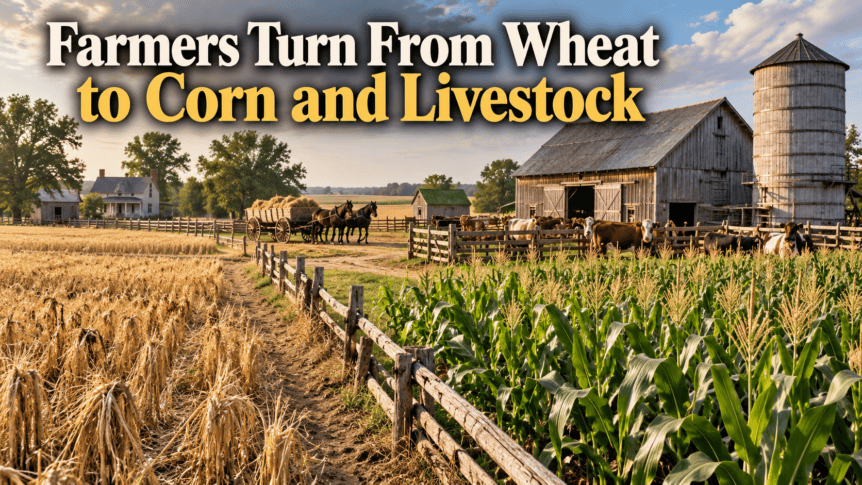
Wheat Boom During the Civil War Gives Way to a Market Collapse During the Civil War, strong wheat prices encouraged many American farmers to plant more of the crop. With…
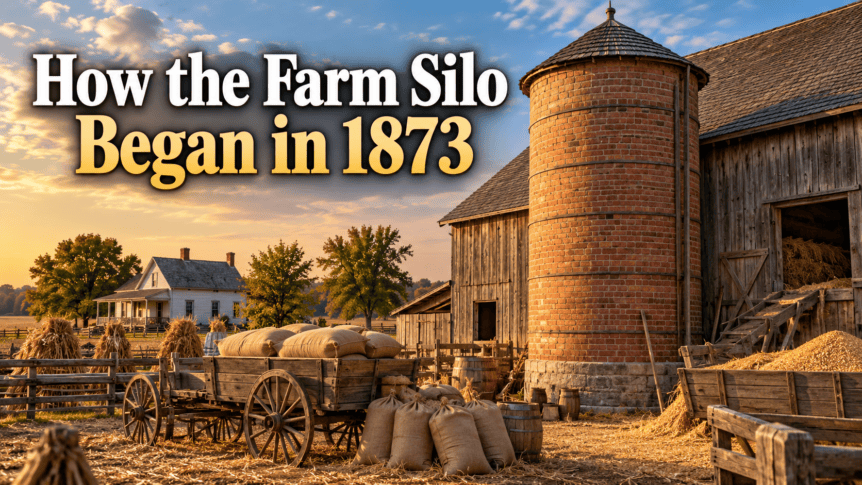
…to farmers’ needs. This history is featured in American Agriculture History Minute, presented by Mark Oppold. That’s today’s American Agriculture History Minute. The Evolution of the Farm Silo Began in…
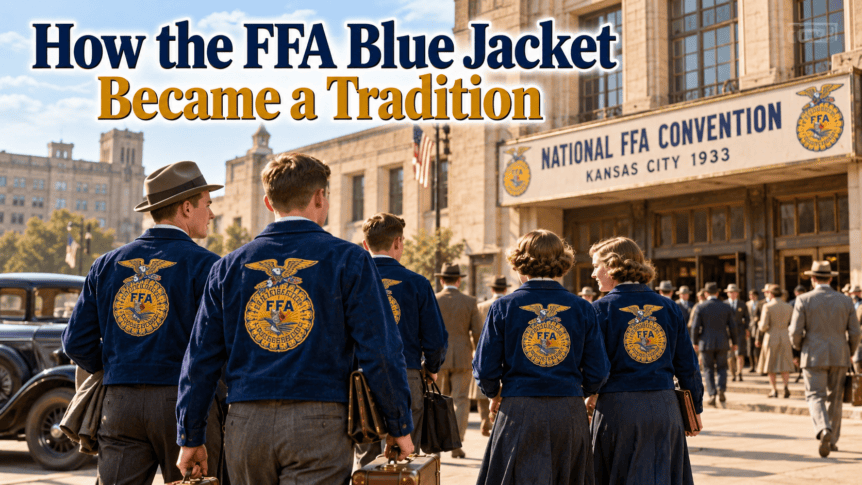
…As Mark Oppold explains in this American Agriculture History Minute, the young FFA members at the convention recognized that the jackets were something special. Their appearance helped inspire official delegates…
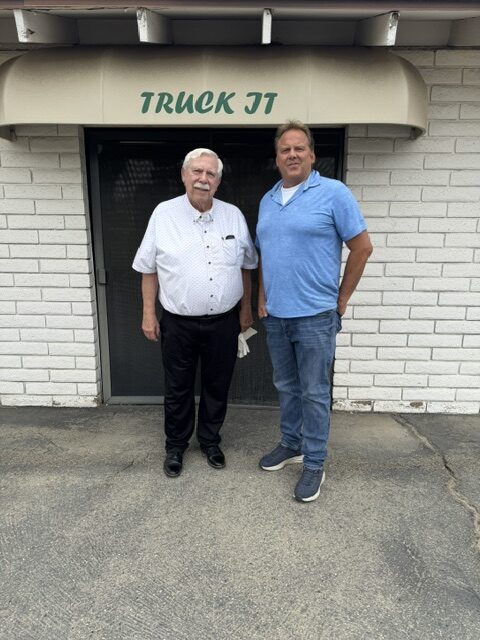
…where reliable trucking services are essential to moving crops, farm supplies and food products from producers to consumers. Ellington Smith (left) and Mark Woods (right) “The Ag Meter” Nick Papagni…
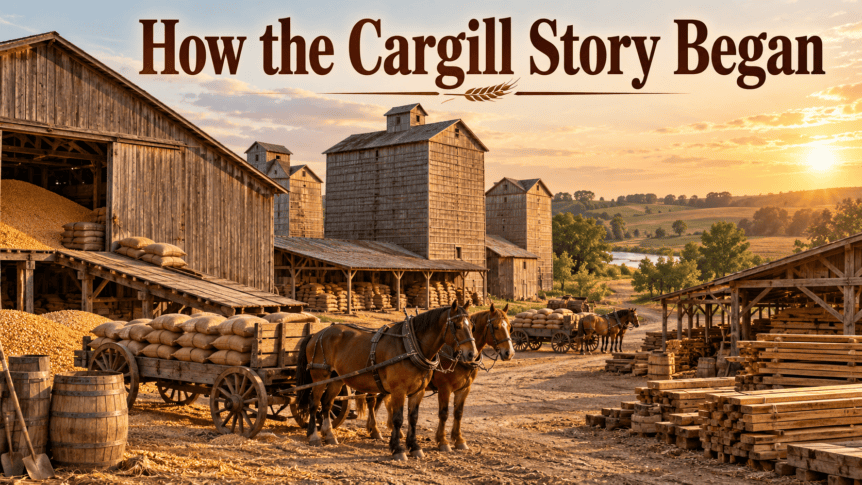
…connected to grain, agriculture and global commodity markets. This has been an American Agriculture History Minute with Mark Oppold. William and Sam Cargill: The Beginning of a Grain Storage Legacy…

On today’s episode of the AgNet News Hour, Mark Woods, owner of Wildwood Trucking in Kingsburg, California, and energy expert Ellington Smith returned for Part 2 of their conversation about…
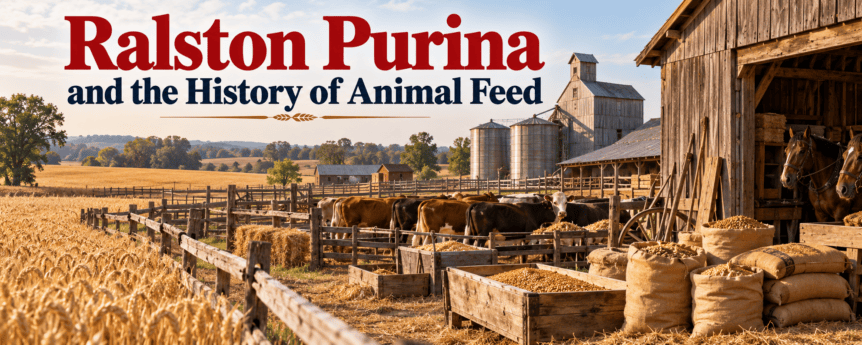
…commercialized, producers were looking for more consistent and effective ways to raise animals and improve the quality of meat entering the marketplace. The development of specialized animal-feed businesses helped connect…

On a recent episode of the AgNet News Hour, Mark Woods, owner of Wildwood Trucking in Kingsburg, California, joined the show to discuss rising diesel costs and why a new…
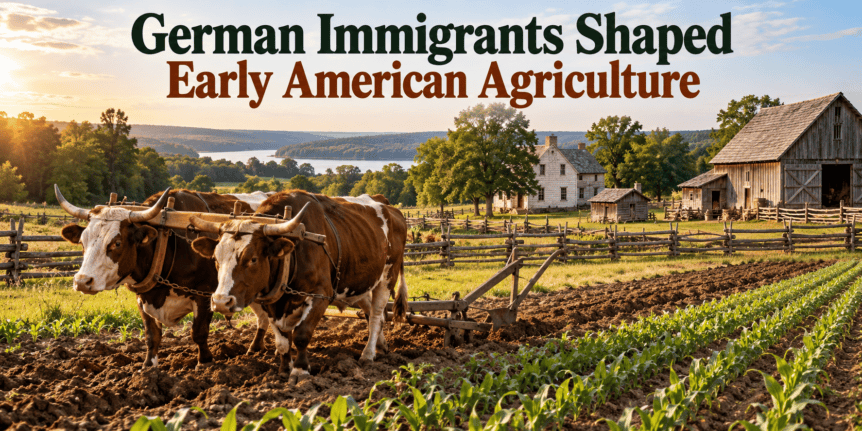
…Minute, Mark Oppold examines how ethnicity influenced early American farming, particularly the practices brought to the New World by German immigrants. European immigrants did not all farm in the same…
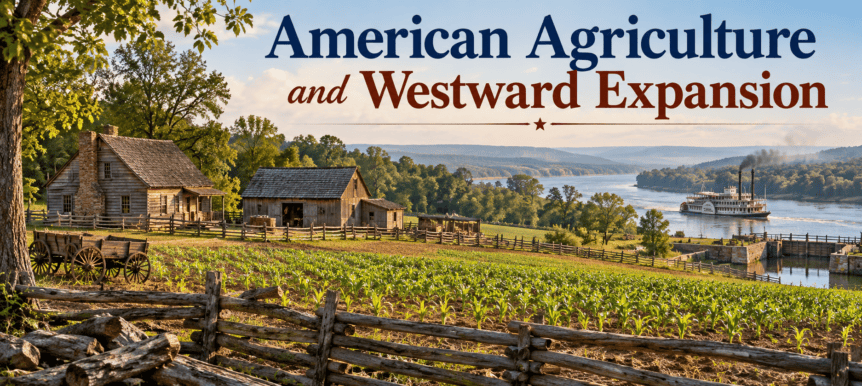
…land, transportation improvements and economic growth created opportunities for farmers to move beyond small-scale subsistence farming and participate in expanding regional markets. Westward Expansion Opens New Agricultural Land One of…
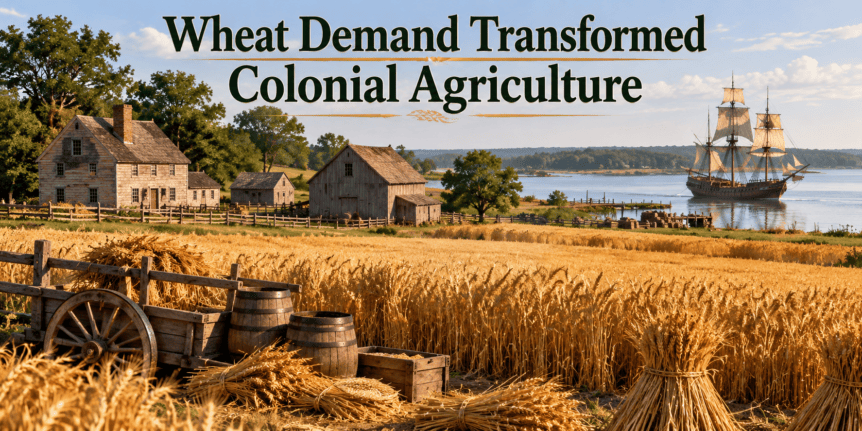
…have a significant impact on farm prices and production decisions. American Agriculture History Minute This historical look at colonial agriculture comes from Mark Oppold’s American Agriculture History Minute. I’m Mark…
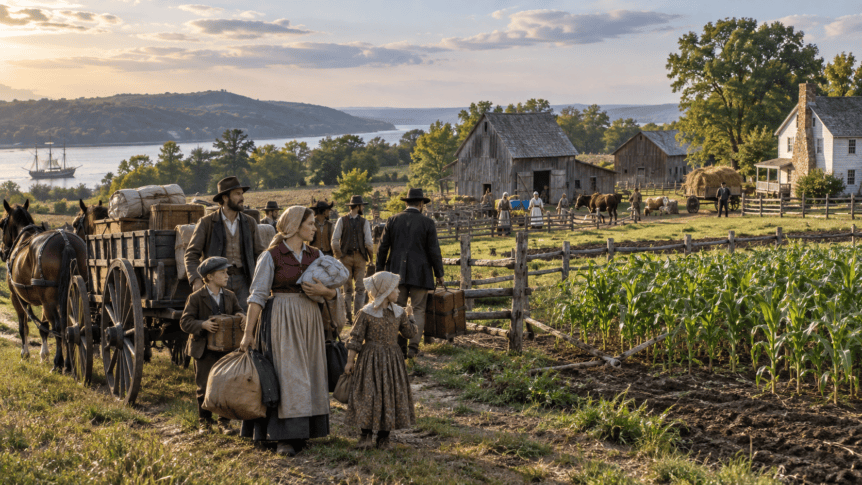
…communities. American Agriculture History Minute This installment of the American Agriculture History Minute, hosted by Mark Oppold, highlights the important role European immigrant groups played in the development of early…
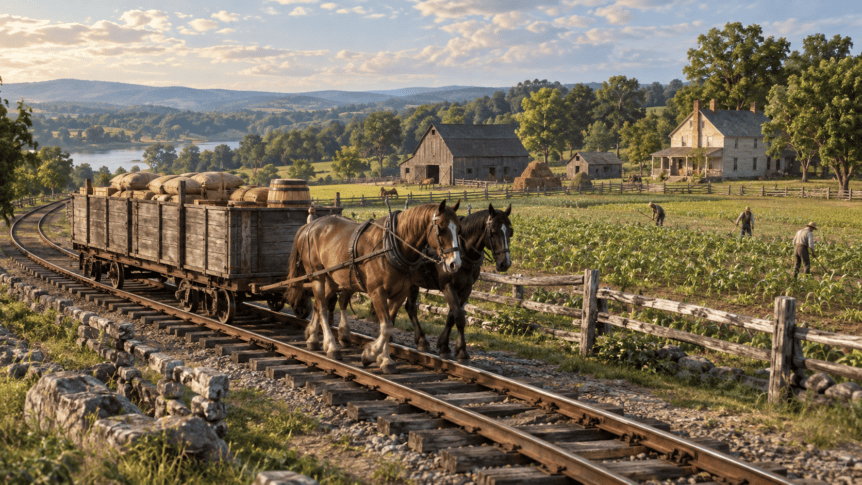
…interconnected agricultural marketplace that exists today. Mark Oppold’s American Agriculture History Minute highlights these important moments in the history of American agriculture and the rural communities that helped build the…