









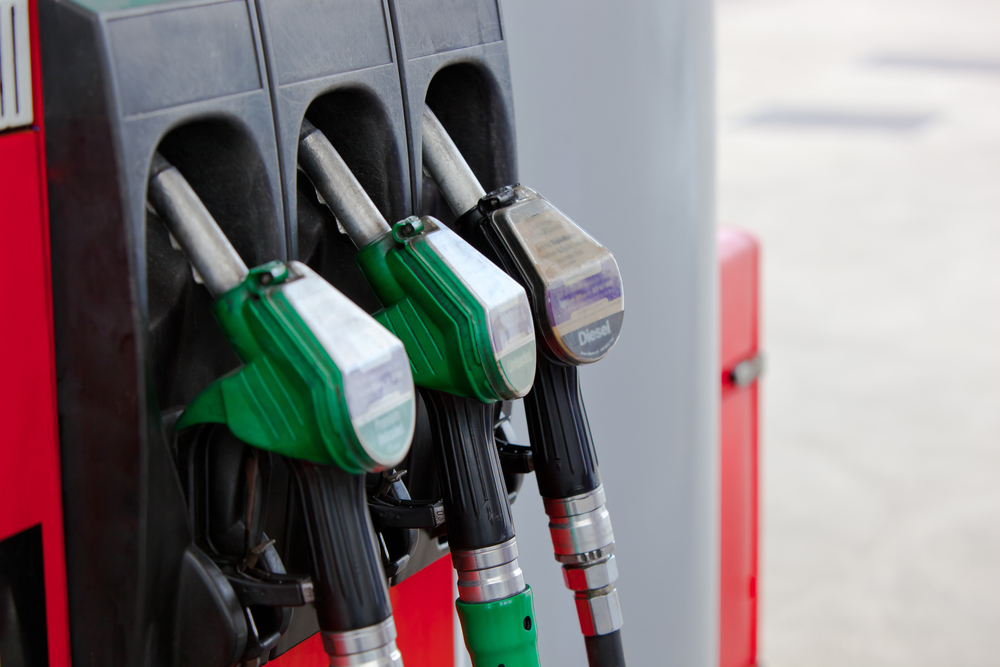
Record diesel prices are putting pressure on U.S. farmers and truckers while prompting White House consideration of limits on diesel exports. The debate centers on whether keeping more diesel in the domestic market could ease prices for agricultural and transportation users while avoiding disruptions elsewhere in the fuel supply chain.
Farmers Face Higher Diesel Costs
Diesel is a critical input for agriculture, powering tractors, combines, trucks and other equipment during planting and harvest. Higher fuel costs can quickly add to production and transportation expenses, making fuel prices an important concern for farmers heading into busy periods of fieldwork.
The push to potentially restrict exports comes as diesel prices reach record levels. Farmers and truckers have voiced concerns about the cost of fuel, while policymakers have weighed how to increase domestic availability.
President Trump indicated support for keeping more diesel in the United States, saying, “I’ve said let’s not send out the diesel. We make a lot of diesel.”
The approach would be intended to prioritize domestic fuel supplies at a time when agricultural producers and other fuel users are facing elevated costs.
Fuel Industry Raises Supply Concerns
Fuel producers, however, have raised concerns about the potential consequences of restricting exports. Refiners rely on access to overseas markets, and industry representatives have warned that an export ban could put additional pressure on domestic refining operations.
Those concerns extend beyond diesel. Fuel producers have cautioned that limiting diesel exports could contribute to higher prices for gasoline and jet fuel as well, potentially creating additional costs for consumers and businesses.
The debate also comes with political considerations, including concerns about the upcoming midterm elections and pressure from farmers, truckers and the oil industry.
For agriculture, the key issue remains diesel availability and affordability. As producers manage high input costs, changes to diesel trade policy could have implications for farm operating expenses, transportation costs and the broader energy market.
Listen to the full report for more agricultural news and updates on fuel prices, farm markets and policy affecting U.S. agriculture.